РЕЦЕПТ / ОДНА ИЗ РЕАЛИЗАЦИЙ

Daifuku Mochi

This classic daifuku mochi is stuffed with either a fine (koshian) or coarse (tsubuan) sweet red bean paste (anko) and can easily be prepared at home in less than an hour using a microwave or a steamer.

← Вернуться к устройству блюда
Порции
12
Подготовка
30 мин
Приготовление
3 мин
Всего
53 мин

СОСТАВ РЕЦЕПТА

  • ¾ cup (100g) shiratamako or mochiko (glutinous rice flour/sweet rice flour)
  • ¾ cup (180 ml) water
  • ¼ cup (50g) sugar (do not omit sugar as it helps mochi stay softer)
  • ½ cup (100g) potato starch/cornstarch
  • 1 ½ cups (480g) red bean paste (anko)

ШАГИ

  1. 01

    In a large bowl, combine the shiratamako or mochiko with sugar and whisk. Then, add water and mix until combined.

  2. 02

    If you use a microwave for cooking the mochi, cover the bowl with plastic wrap and heat it in the microwave on high heat for 1 minute. Remove the bowl from the microwave and stir the mochi with a wet rubber spatula. Cover the mochi and cook it for 1 additional minute. Repeat the stirring, then cook for 30 more seconds. The mochi should turn translucent by this point.

  3. 03

    If you use a steamer for cooking the mochi, cover the steamer lid with a towel to prevent condensation from dripping into the mochi mixture. Put the bowl in the steamer basket, cover it, and cook for 15 minutes. Halfway through the cooking, stir the mochi with a wet rubber spatula, put the lid back on, and finish cooking.

  4. 04

    Spread a sheet of parchment paper over the work surface, dust it generously with potato starch, then transfer the cooked mochi onto it.

  5. 05

    Dust the mochi with some more potato starch and let it cool a bit. Using a dusted rolling pin, evenly spread out the mochi, transfer it onto a baking sheet (with the parchment paper), and place it in the refrigerator for 15 minutes to set.

  6. 06

    Remove the mochi from the refrigerator and use a 3.5 inch (9cm) cookie cutter to cut out 7-8 circles.

  7. 07

    Using a pastry brush, dust off the excess potato starch from the mochi wrappers. Cover a plate with cling film, put a mochi wrapper on top, then top the mochi with another piece of cling film. Following this stacking method, do the same with the remaining mochi wrappers.

  8. 08

    Make a ball out of the remaining dough, spread it out with a rolling pin, and cut 4-5 more circle wrappers.

  9. 09

    One at a time, fill each mochi wrapper with a scoop of anko.

  10. 10

    To wrap the anko, pinch together the four corners of the mochi wrapper, then pinch the remaining corners together as well. Dust the sealed area with potato starch.

  11. 11

    Repeat the same process with the rest of the mochi wrappers.

  12. 12

    Keep the daifuku mochi in an airtight container in a cool and dry place.

ДРУГИЕ РЕАЛИЗАЦИИ

8 других варианта

Изображение не сохранено

Matcha Daifuku (Green Tea Mochi)

2 ч 33 мин

Despite many variations of daifuku, one that stands out the most, presentation-wise, is matcha daifuku. Made with matcha green tea powder and filled with heavy cream and anko, matcha daifuku is one of the most beautiful and aromatic Japanese confections.

Изображение не сохранено

Daifuku Aisu

6 ч 18 мин

Daifuku aisu packs a scoop of ice cream (of your choice) in a classic mochi wrapper made with shiratamako rice flour. Much like other daifuku recipes, daifuku aisu is a simple dessert to concoct but requires a couple of hours of chilling time before serving.

Изображение не сохранено

Yuzu Daifuku

32 мин

Yuzu daifuku is a gorgeously tangy variation of the classic daifuku mochi recipe. The gyūhi wrap (softer version of mochi) is flavored with candied yuzu rind and stuffed with the traditional anko filling. Incredibly fragrant and easy to make, yuzu daifuku is a perfect Japanese confection for those who prefer their desserts sour.

Изображение не сохранено

Traditional Dorayaki

30 мин

The following is the recipe for an authentic dorayaki with sponges flavored with mirin and soy sauce. The recipe is adapted from JapanSociety.org , a website of a non-profit organization formed in 1907 to promote friendly relations between the United States and Japan.
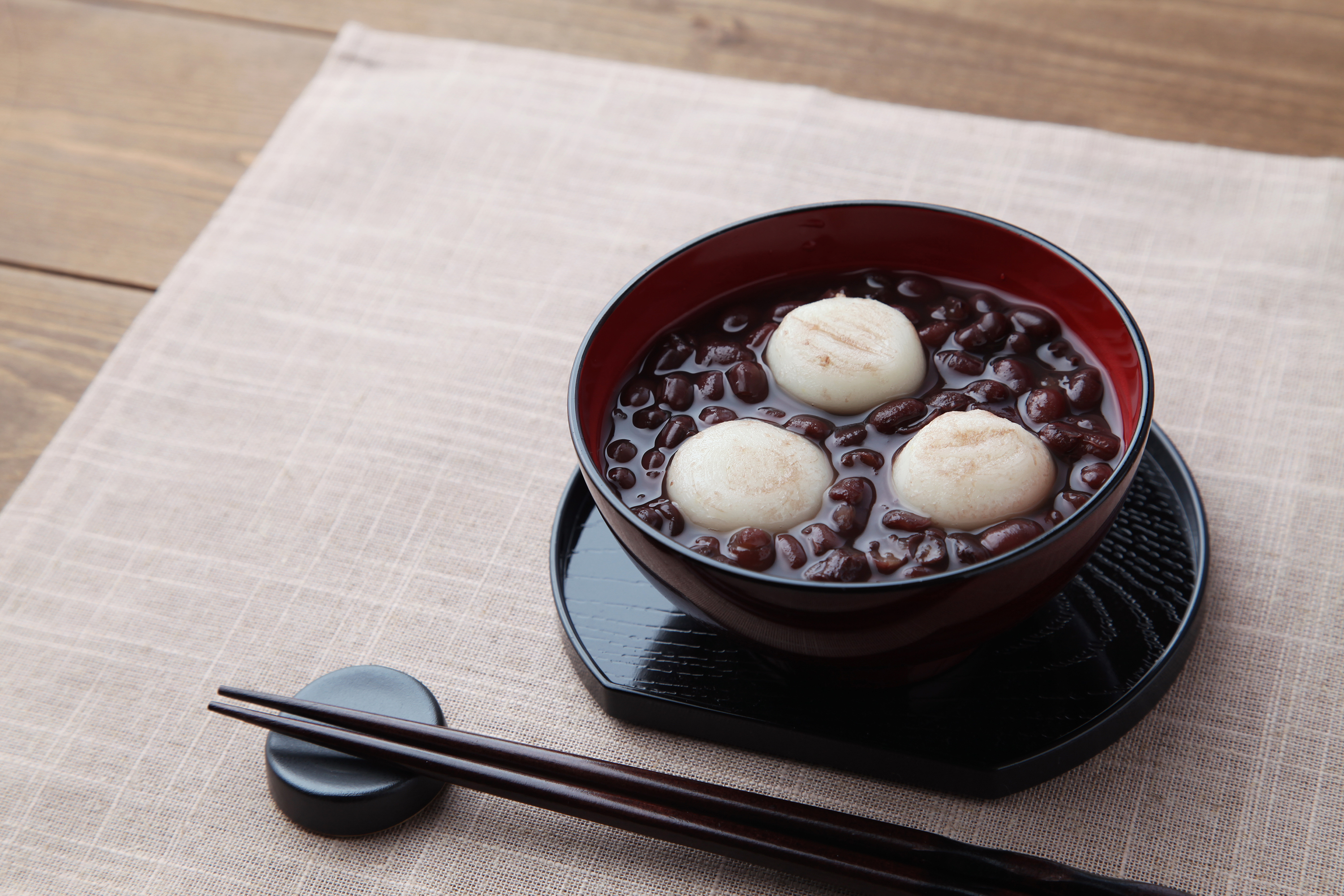
Basic Zenzai with Homemade Mochi

20 мин

This basic zenzai recipe was adapted from japancentre.com , the website and online store of Japan Center, the Japanese food hall in operation since 1976, located in London, and gives directions on how to prepare soup with canned sweet beans. The mochi, on the other hand, is made from scratch with shiratamak o — glutinous rice flour, also called sweet rice flour.
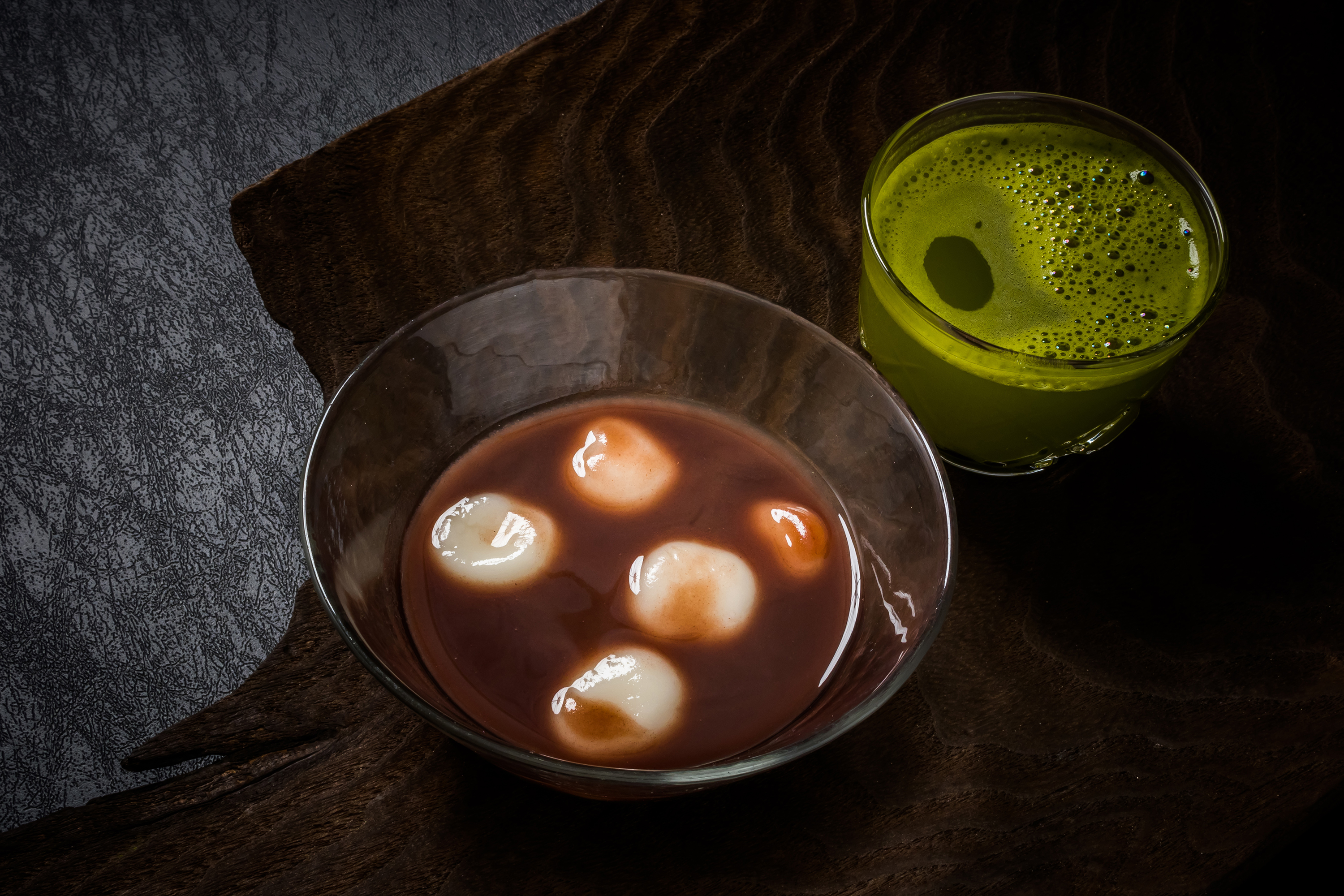
Smooth Zenzai

1 ч 15 мин

Azuki beans smashed into a purée are the main perk of this zenzai variant, while the soup is thickened with a mixture of arrowroot and water. The recipe is adapted from The Complete Book of Japanese Cooking by Elisabeth Lambert Ortiz and Mitsuko Endo, an excellent introductory book into the world of authentic Japanese cuisine.
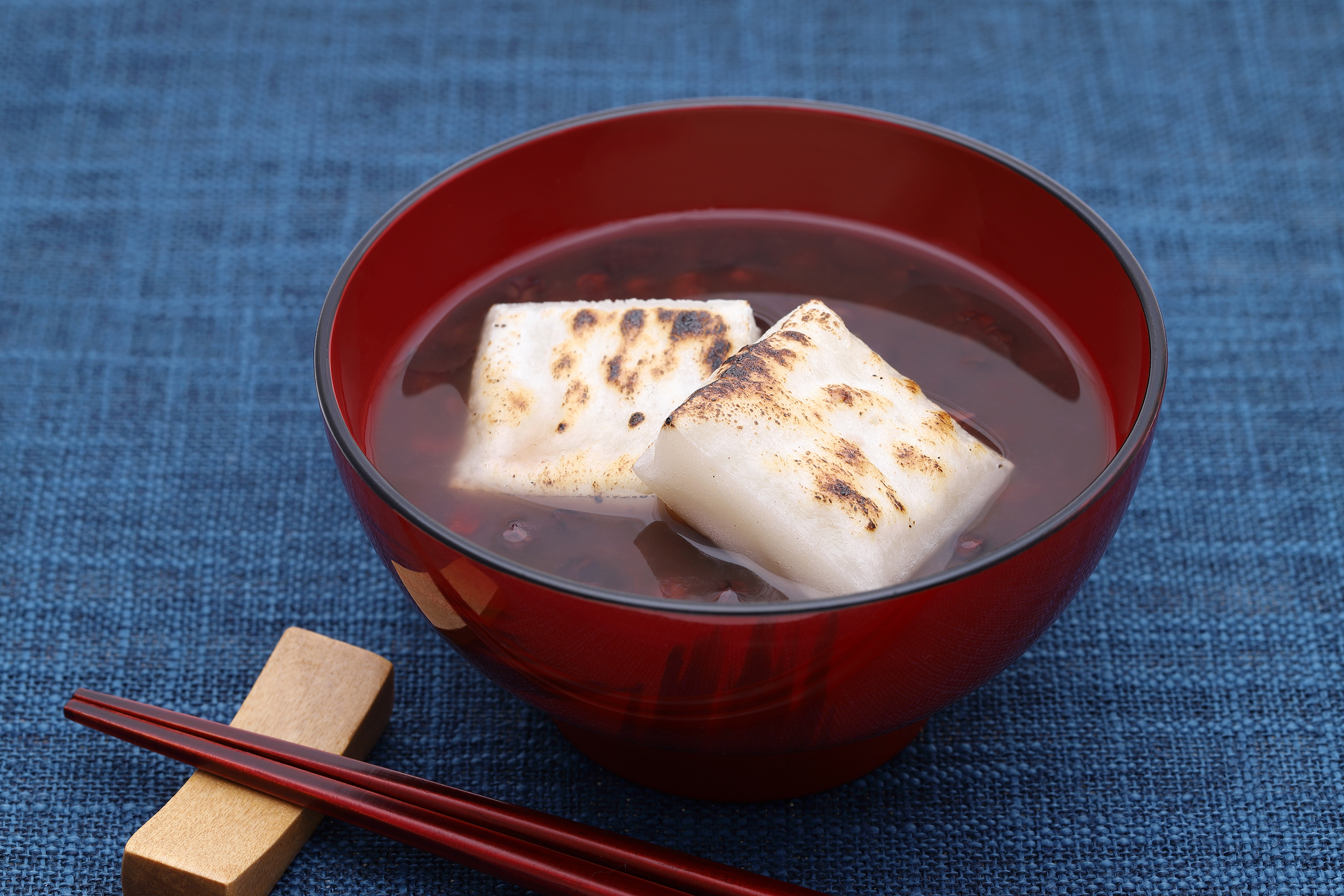
Anko-Based Zenzai

10 мин

The following is the shortcut recipe for zenzai since it uses anko, a sweet azuki bean paste, so there's not a lot of work involved. You can decide on the consistency, meaning how thick or thin you'd like the bean soup to be. The recipe is adapted from JustOneCookbook.com , a Japanese food and recipe blog by Namiko Hirasawa Chen.
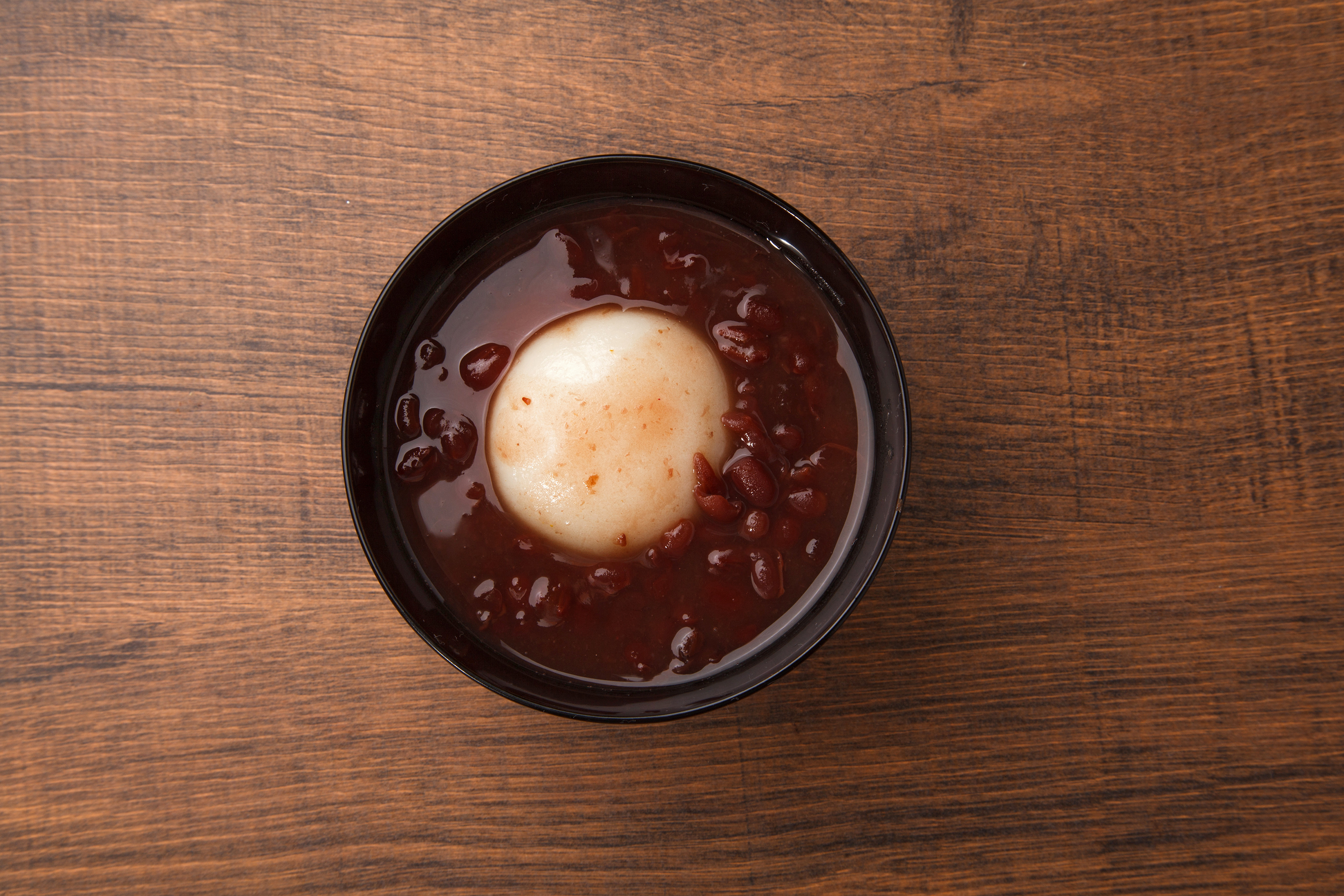
Oshiruko with Homemade Dango

40 мин

The following recipe shows how to prepare oshiruko, a type of zenzai where the soup is pureed and completely smooth. Unlike most zenzai recipes, the soup is paired with dango balls, not mochi. It has instructions on how to prepare both the azuki bean paste and the dango balls. You can enjoy this dessert soup hot or cold.

ВАЖНЫЕ ДЕТАЛИ

На что обратить внимание

01

ingredients

If you cannot get your hands on potato starch, feel free to replace it with cornstarch, but do not use other starch like tapioca. When it comes to flour, the adequate substitute for shiratamako is mochiko sweet rice flour. Lastly, avoid using brown sugar as it will color the mochi and impact its taste.

02

filling

There is an abundance of different daifuku fillings to suit your liking. Classic summer variants include stuffing the mochi with anko and a whole strawberry (ichigo daifuku), ice cream (aisu daifuku), yuzu and anko (yuzu daifuku), etc.

03

bean paste

Although red bean paste is the traditional daifuku filling, you can make the paste from butter or lima beans (shiroan). In essence, shiroan has a much milder taste than anko, making it an excellent alternative for those who enjoy subtle-tasting desserts.

04

stickiness

When assembling the daifuku, consider wearing thin latex gloves to prevent the mochi from sticking to your hands. Latex gloves are also important when making ice cream mochi, as they help insulate your warm hands from the ice cream.

05

storage

A classic anko-filled daifuku mochi should be kept in an air-tight container and stored in a cool place where it can last for up to 2 days. During the summer months, it is advised to keep the daifuku in the refrigerator; however, be mindful of the fact that rice stiffens up in the refrigerator, so make sure to wrap the container with a thick kitchen towel.