02 / ОСНОВНЫЕ ПРОДУКТЫ БЛЮДА
Лепёшки
Непереведённые названия показаны на языке сохранённых данных.
- Corn Flour
- Lard
- Salt
English · русское название ещё не добавлено
01 / О БЛЮДЕ
Исходное описание на английском языке. Русский перевод ещё не добавлен.
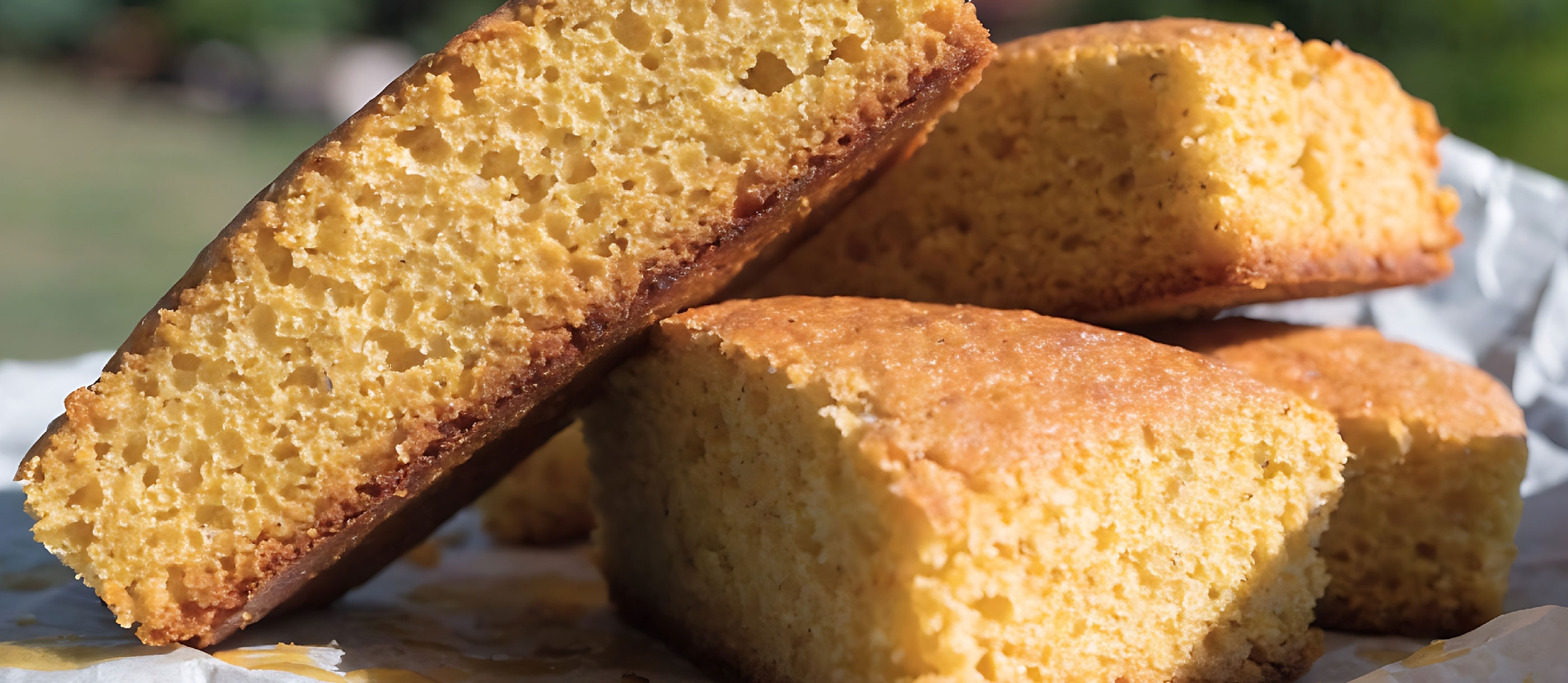
Turta de mălai is a dense, unleavened cornmeal flatbread indigenous to the rural regions of Romania. The foundation of this baked staple is the introduction of maize into the Danubian Principalities during the late seventeenth century via Ottoman trade routes. Because agricultural administrators heavily taxed wheat exports, local peasant populations rapidly adopted maize as their primary subsistence crop, using coarsely milled cornmeal to replace older millet-based recipes. Water, milk, or whey is brought to a rolling boil, and coarse yellow cornmeal is slowly incorporated, vigorously stirred with a wooden utensil, and a generous measure of salt is added until it forms a thick, stiff paste. Rather than relying on any yeast or chemical leavening agents, the baker gathers the scalded mass while it remains warm and presses it manually into a compact, flat disc, then places it directly onto a heated cast-iron griddle, a clay hearth, or inside a shallow metal baking pan coated with pork lard. As the flatbread cooks, the complete absence of gluten prevents any vertical rise, yielding a highly compact, granular interior crumb protected by a hardened, deeply toasted outer crust that frequently develops a network of shallow fissures. In specific rural districts, individuals wrap the raw cornmeal disc entirely in fresh cabbage, grape, or walnut leaves before burying it beneath the glowing wood embers of an open fire, a technique that protects the dough from direct ash contamination while infusing a subtle, herbaceous aroma directly into the exterior shell. Some recipes will replace a portion of the corn flour with wheat flour. Because of its rigid structure and low moisture content, this dense disc was originally carried by agricultural workers and shepherds as a portable calorie source that resisted spoilage during long field shifts. Today, people across Romania consume this bread by breaking the firm crust apart by hand, using the thick, crumbly wedges to scoop up heavy, savory dishes. It is typically paired with slow-simmered bean stews, sharp sheep milk cheeses like telemea, fermented sour cream, and thick slices of cured pork fat known as slănină.
02 / ОСНОВНЫЕ ПРОДУКТЫ БЛЮДА
Лепёшки
Непереведённые названия показаны на языке сохранённых данных.
03 / РЕЦЕПТ
В сохранённых данных рецепта нет.
Запись ·