01 / ПАСПОРТ
- Категория
- Блюда с лапшой
- Страна
- Япония
- Регион
- не указан
English · русское название ещё не добавлено
О БЛЮДЕ
Исходное описание на английском языке. Русский перевод ещё не добавлен.
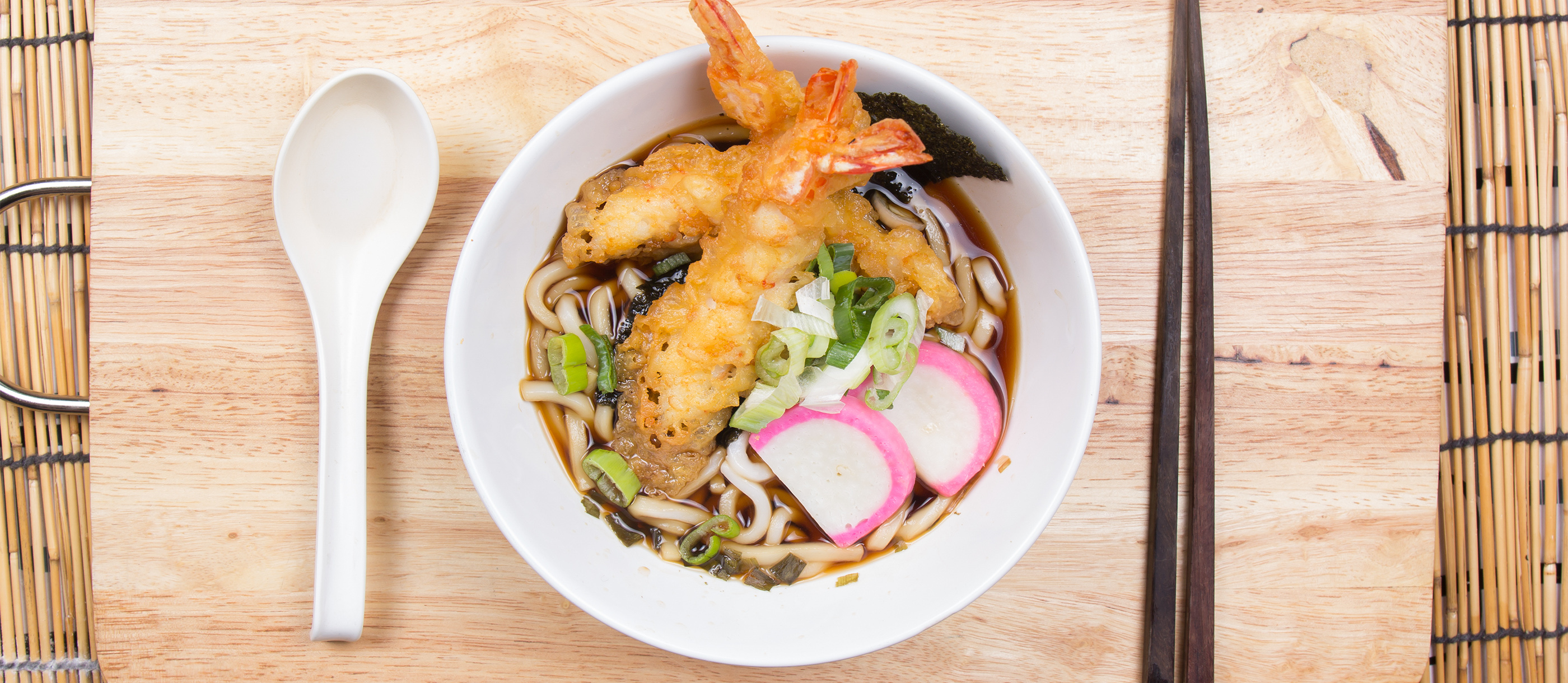
Tempura udon is a hot noodle soup made with thick, chewy wheat noodles in a savory soy-based broth, topped with pieces of lightly battered and deep-fried seafood and vegetables. The combination developed as a commercial street food during the Edo period in the 17th century. Food carts known as yatai, operating across Edo, present-day Tokyo, began placing freshly fried battered shrimp directly on top of hot noodle soups to create fast, filling, calorie-rich meals for urban laborers. The frying technique used for tempura had arrived in Japan about a century earlier. It was introduced by Portuguese missionaries and merchants in Nagasaki in the mid-16th century as a way of frying fish during Catholic fasting periods. Over time, this foreign frying method was combined with Japan’s own wheat noodles, creating a durable and popular dish that eventually moved from street stalls into established restaurants. Making tempura udon begins with a clear dashi stock prepared from dried kelp and smoked bonito flakes. This seafood-rich stock is mixed with soy sauce, sweet mirin, and a small amount of sugar, then heated to a steady simmer. The thick wheat noodles are boiled separately until fully tender, drained completely, and placed in a deep ceramic bowl. The hot broth is then poured over them until the noodles are submerged. At the same time, raw tiger shrimp and sliced vegetables such as sweet potato, lotus root, or eggplant are prepared for frying. They are lightly dusted with flour, briefly dipped into a thin, ice-cold batter made with water, egg, and soft wheat flour, and immediately lowered into hot oil. The sudden change in temperature causes the batter to expand quickly, forming a pale, lacy, and extremely crisp shell around each ingredient. The freshly fried pieces are then placed directly on top of the hot broth. Regional preferences shape the color and flavor of the soup base. In the eastern Kanto region, the broth relies heavily on dark soy sauce, giving it a dark brown color and a strongly salty taste. In the western Kansai region around Osaka, cooks usually use light soy sauce and a stronger kelp-based stock, producing a pale, translucent broth that keeps the colors of the toppings more visible. A common variation, called kakiage udon, replaces the individual pieces of battered shrimp with a single large fritter. This fritter is made from julienned carrots, onions, and tiny shrimp fried together into a tangled disk. Another frequent version is served cold during summer, with the noodles and broth chilled and the fried tempura served separately so the batter stays crisp. Tempura udon is served hot, usually garnished with thinly sliced scallions and a pink-and-white slice of cured fish cake. It is eaten by lifting the heavy noodles with chopsticks while sipping the hot broth directly from the rim of the bowl. As the tempura sits in the soup, the crisp batter gradually absorbs the broth, softens, and releases rich pockets of oil into the liquid. A small shaker of seven-spice chili blend (shichimi) is often served nearby, adding a sharp heat that cuts through the richness of the fried toppings.
03 / РЕЦЕПТ
Рецепт для этого блюда пока не добавлен.