02 / ОСНОВНЫЕ ПРОДУКТЫ БЛЮДА
Сладкая выпечка · Fried Dough
Непереведённые названия показаны на языке сохранённых данных.
- Rice Flour
- Vegetable Oil
- Sugar
English · русское название ещё не добавлено
01 / О БЛЮДЕ
Исходное описание на английском языке. Русский перевод ещё не добавлен.
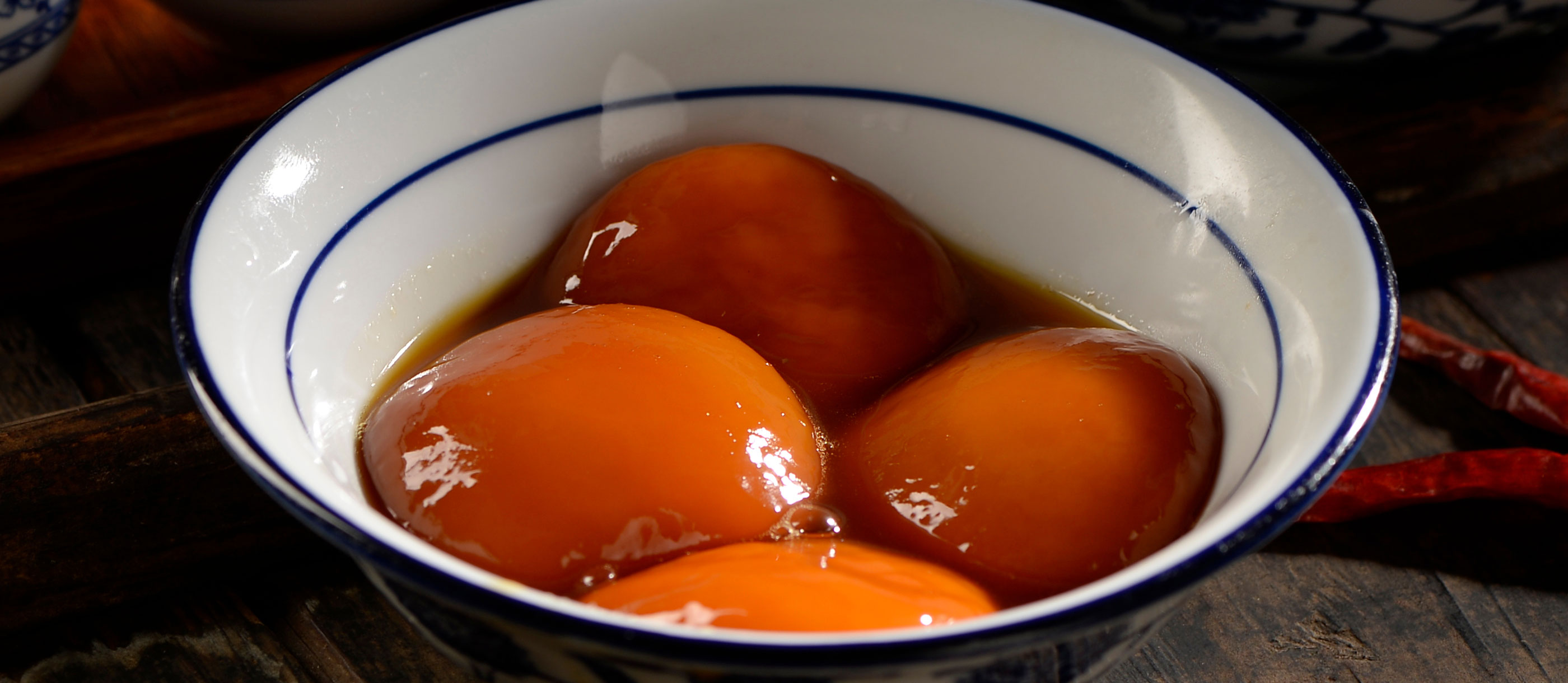
Táng yóu bābā is a sweet, sticky pastry from Xiangtan in Hunan province, known for its chewy glutinous rice dough coated in caramelized sugar syrup. Its name translates to “sugar oil baba,” referring to the two essential elements that define it: sweet syrup and fried dough. The dessert is especially popular during festivals, family gatherings, and celebratory occasions, where it is often served as a treat symbolizing happiness and good fortune. The origins of táng yóu bābā are closely linked to the food culture of central China, where glutinous rice has long been a staple ingredient in festive sweets and ceremonial foods. It is believed to have been developed by local families who sought to transform simple, readily available ingredients, rice flour, sugar, and oil, into a luxurious dessert. Over time, the recipe became a cherished part of regional celebrations, often associated with Lunar New Year feasts, weddings, and birthdays. Its texture and sweetness also reflect historical preferences in southern Chinese desserts, which favor chewy, slightly elastic pastries enriched with sugar and oil rather than baked goods. Preparation begins with glutinous rice flour mixed with water to form a soft, pliable dough, which is then shaped into small, round cakes or patties. These pieces are deep-fried in oil until golden and crisp on the outside while remaining tender and chewy inside. In a separate pan, sugar is gently melted into a syrup, often with a splash of water or maltose to achieve the right viscosity, and sometimes flavored with osmanthus or honey. The fried cakes are then tossed in the bubbling syrup, which coats them in a glossy, amber-colored layer that hardens slightly as it cools, forming a delicate shell that contrasts with the soft interior. Táng yóu bābā is most often eaten freshly made, when the sugar coating is still warm and slightly brittle. It is served on its own as a dessert or snack but is also enjoyed alongside tea, which helps balance its sweetness. In some regions, it is paired with lightly salted snacks or simple savory dishes to create contrast in a celebratory meal.
02 / ОСНОВНЫЕ ПРОДУКТЫ БЛЮДА
Сладкая выпечка · Fried Dough
Непереведённые названия показаны на языке сохранённых данных.
03 / РЕЦЕПТ
В сохранённых данных рецепта нет.
Запись · 12222