02 / ОСНОВНЫЕ ПРОДУКТЫ БЛЮДА
Непереведённые названия показаны на языке сохранённых данных.
- Wheat Flour
- Semolina
- Yeast
- Salt
English · русское название ещё не добавлено
01 / О БЛЮДЕ
Исходное описание на английском языке. Русский перевод ещё не добавлен.
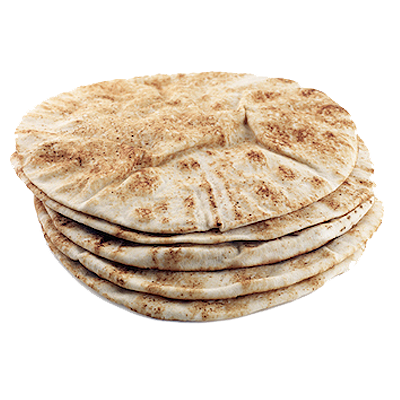
Tafernout is an Amazigh flatbread from Morocco, especially associated with Souss, the High Atlas, and parts of the south, such as the Zagora area. The name is used for the bread, but it is also closely tied to the earthen oven in which it is baked, so the item is understood through both the dough and the cooking method. It is a round, flat bread made from wheat flour, semolina or finely milled durum wheat, water, yeast, and salt, with some versions using whole wheat, barley, or a mix of flours depending on the household and the grain available. Its place in Amazigh food culture comes from mountain and rural households where bread is not only an accompaniment but a working part of the meal, used to scoop stews, carry oil, hold honey, and complete a table built around tagines, dairy, legumes, or simple morning foods. The bread developed around the practical conditions of southern Moroccan village cooking: grain was kneaded at home, fuel came from wood, and the oven had to deliver strong heat without requiring a large, built kitchen. In many areas, the tafernout oven is made from clay, earth, or stone, and the baking surface may include smooth river stones heated by the fire. Those stones matter because the dough is not always baked on a flat metal tray; it can be set directly onto the hot stones, where the bottom cooks quickly, and uneven contact gives the bread its characteristic surface. The work starts with a soft but manageable dough. Flour and semolina are mixed with salt and yeast, then water is added gradually until the dough comes together. Some cooks add a small amount of oil, but the basic dough is plain. It is kneaded until elastic, left to rise, then divided and flattened by hand into round discs. The shape is usually broader and flatter than that of a tall loaf of Moroccan khobz, because the bread needs to cook quickly in intense heat. While the dough rests, the oven is heated with wood until the walls, floor, and stones are hot enough to bake the bread directly. Ash and embers are moved aside as needed, and the flattened dough is placed inside, either against the hot surface of the oven or on the heated stones. The bake is shorter than that of a thick loaf. The outside firms and browns, sometimes with darker spots from the fire and stones, while the inside stays soft and chewy enough to tear. A good tafernout should not be dry or brittle. It should have enough structure to hold food, but it should still bend and pull apart easily when fresh. Because the oven and stones vary from house to house, the final look is not perfectly uniform; one bread may show deeper charring, another may be paler, and both can be correct if the center is cooked and the dough has not dried out. The most important feature is the relationship between the bread and the oven. A pan-cooked version can copy the ingredients, but it will not fully copy the texture that comes from contact with stone, clay, wood heat, and enclosed heat. Tafernout is commonly served warm, often soon after baking, when the crust is still light and firm, and the center remains pliable. It is torn by hand and eaten with savory dishes such as tagines, stewed vegetables, meat sauces, lentils, beans, or eggs, but it is just as natural with breakfast and afternoon foods. In Souss, it is closely associated with argan oil and amlou, the almond, argan oil, and honey spread that are strongly associated with the region. It is also eaten with olive oil, honey, fresh goat cheese, butter, or oudi, a clarified butter flavored in some local versions with herbs such as thyme. In a tagine, pieces of tafernout are used to scoop up the sauce and vegetables rather than sitting beside the dish untouched. With amlou or honey, it becomes a dense and filling breakfast or snack. In rural households, it is a home-baked bread; in towns and cities, it may appear in restaurants that serve Amazigh or southern Moroccan food in a more regional way. Its current presence outside its core areas shows how strongly the oven-baked style is recognized: restaurants in larger Moroccan cities sometimes advertise tafernout specifically because the name signals more than a generic round bread. The best drink pairing is usually Moroccan mint tea, especially when the bread is served with honey, amlou, or butter. In savory combos, it pairs well with buttermilk-like fermented milk, fresh milk, or water, while a tagine meal can also be paired with unsweetened tea. On the plate, its strongest partners are practical and specific: lamb or chicken tagine, vegetable tagine, lentils, white beans, olive oil, argan oil, amlou, thyme-scented clarified butter, goat cheese, olives, honey, fried eggs, and warm milk or mint tea.
02 / ОСНОВНЫЕ ПРОДУКТЫ БЛЮДА
Непереведённые названия показаны на языке сохранённых данных.
03 / РЕЦЕПТ
В сохранённых данных рецепта нет.
Запись · 12936