02 / ОСНОВНЫЕ ПРОДУКТЫ БЛЮДА
Непереведённые названия показаны на языке сохранённых данных.
- Semolina Flour
- Yeast
- Olive Oil
- Salt
English · русское название ещё не добавлено
01 / О БЛЮДЕ
Исходное описание на английском языке. Русский перевод ещё не добавлен.
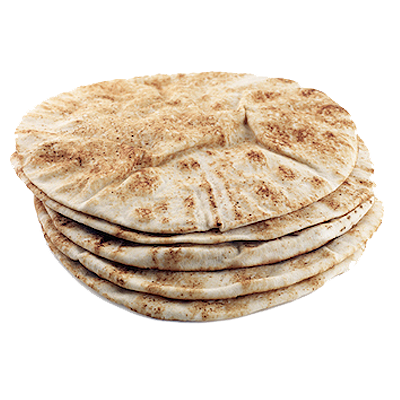
Spianata sarda is a circular, leavened flatbread originating from the island of Sardinia, specifically associated with the inland pastoral regions of Logudoro and Barbagia. It is identified by its soft, flexible texture and its pale, golden-brown surface, often featuring small air pockets and decorative indentations. Viticulture and grain cultivation have defined the Sardinian landscape since the Nuragic period, but the specific development of spianata occurred as a logistical solution for shepherds who required a bread that remained pliable and edible for several days while tending livestock in remote areas. The production of this bread utilized the high-quality durum wheat semolina (grano duro) grown in the island's central plains, which provided the necessary gluten strength for a thin yet sturdy structure. Preparation of spianata sarda involves a dough of semolina, water, salt, and mother yeast (su fremmentalzu), which undergoes a long fermentation process to ensure digestibility and shelf stability. After rising, the dough is divided and rolled into thin discs approximately 20 to 30 centimeters in diameter. The discs are baked briefly at high temperatures, typically between 300°C and 350°C, causing the bread to puff up into a sphere before being removed and flattened immediately. This rapid baking prevents the bread from becoming brittle, unlike the twice-baked pane carasau. A specific technical attribute of spianata is the decorative stamping or prickling of the surface prior to baking, which controls the expansion of carbon dioxide and creates a uniform thickness. The bread is served slightly warm or at room temperature, often folded or sliced into wedges. It is eaten across Sardinia as a primary table bread and is a standard component of festive meals and daily snacks. It is frequently paired with local high-fat products such as pecorino sardo cheese, thin slices of prosciutto crudo, or pancetta, and it is commonly used to wrap roasted meats or as a base for honey. Beverage pairings include structural regional wines like Cannonau di Sardegna (red) or a crisp Vermentino di Gallura (white), which balance the starch content and the saltiness of the accompanying charcuterie.
02 / ОСНОВНЫЕ ПРОДУКТЫ БЛЮДА
Непереведённые названия показаны на языке сохранённых данных.
03 / РЕЦЕПТ
В сохранённых данных рецепта нет.
Запись · 12759