02 / ОСНОВНЫЕ ПРОДУКТЫ БЛЮДА
Непереведённые названия показаны на языке сохранённых данных.
- Wheat Flour
- Yeast
- Salt
English · русское название ещё не добавлено
01 / О БЛЮДЕ
Исходное описание на английском языке. Русский перевод ещё не добавлен.
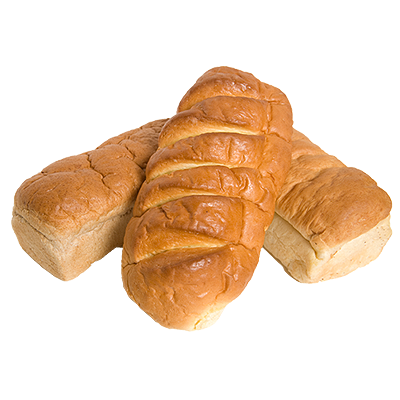
Pan candeal is a type of white bread from Spain, originating from Castile and León, but variants of the bread can also be found in Andalucía, Extremadura, Aragón and Valencia, and under different names such as sobado or bregado. It is defined by its low hydration, yielding a dense, tight crumb with little open air, and by its uniquely compact, smooth dough that is shaped and scored in geometric patterns. The crust is crisp and the interior remains firm, with a pale, creamy color and remarkably even texture. Its roots lie in Castile, where the cultivation of candeal-type wheat and the art of fine milling took shape over centuries. From there, bakers carried the method southward and into other parts of the peninsula. Over time it became widely known, often considered a hallmark of skilled breadmaking. While once more common, its production has declined in many places, largely because the specific flour required—candeal wheat—is now rarely grown and yields less profit for farmers. As a result, making authentic pan candeal is increasingly the domain of artisan bakers. What sets it apart is the way the dough is treated: instead of heavy kneading, it undergoes a process called refinado (also called bregada or sobado), where the dough is stretched, folded, and compressed—often with a rolling pin or a cylinder machine—to force out air bubbles and compact its structure. This method yields the characteristic dense crumb, and the process is labor-intensive. The dough is mixed with cold water (typically around 40–45 % hydration relative to flour) and then refined rather than aggressively kneaded. Only a single fermentation is used, preventing the formation of large air spaces, and the loaves are baked in a hot oven, with deep cuts to aid moisture escape during baking. Because of its firm, tightly packed crumb and crisp crust, pan candeal holds up well to slicing and maintains freshness longer than lighter breads. It is often sold in shapes such as round loaves, bars, squares, rings, braids, or spikes, with its surface sometimes scored in geometric designs. In practice it is used not just as table bread but in traditional Spanish preparations: it is good for soaking in stews, for making sandwiches (pintxos, bocadillos), or in dishes like sopa castellana and migas that call for bread capable of holding up to soaking without collapsing. Today, pan candeal remains prized in artisan bakeries and specialty bread shops, especially in regions where the heritage of fine milling and baking persists. It is eaten alongside everyday meals—used for sandwiches or as an accompaniment to soups and roasted meats—and pairs naturally with olive oils, cured hams, cheeses, and bold red wines from inland Spain.
02 / ОСНОВНЫЕ ПРОДУКТЫ БЛЮДА
Непереведённые названия показаны на языке сохранённых данных.
03 / РЕЦЕПТ
В сохранённых данных рецепта нет.
Запись · 12233