02 / ОСНОВНЫЕ ПРОДУКТЫ БЛЮДА
Непереведённые названия показаны на языке сохранённых данных.
- Wheat Flour
- Yeast
- Sourdough Starter
- Salt
English · русское название ещё не добавлено
01 / О БЛЮДЕ
Исходное описание на английском языке. Русский перевод ещё не добавлен.
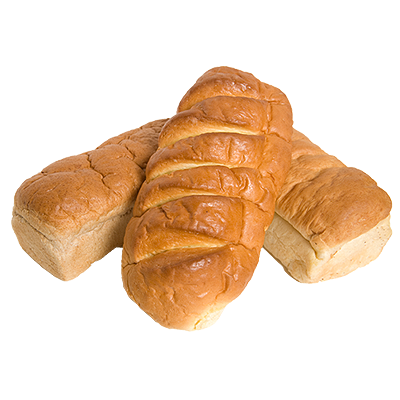
Pâine la țest is a round, flat-shaped bread baked under a portable clay oven, from the Oltenia region. The practice of covering dough with an inverted clay vessel directly on a scorching hearth dates back to ancient Dacian populations, who relied on this method to bake flat cakes made from milled millet, rye, and wheat. This domestic baking technique endured through the era of Roman colonization and the Middle Ages, remaining an active culinary practice in modern rural households. The dough is made by mixing wheat flour, water, salt, and yeast, and kneading it vigorously before leaving it to proof. The baking method relies on the țest, a thick, bell-shaped clay dome. The baker places this heavy cover directly over a wood fire until the interior surface absorbs the intense heat. After sweeping the hot embers and residual ash off the baking surface, the cook sets the raw dough onto the clean, hot bricks and covers it entirely with the heated clay bell. The trapped radiant heat bakes the dough quickly, resulting in a dark, robust crust and a dense, crumbly interior. Local customs dictate that this mobile clay dome be constructed strictly on Ropotin, a regional observance that falls on the third Tuesday after Easter. Pâine la țest is eaten at daily meals, typically torn by hand into uneven pieces from a warm loaf, and is served alongside sharp sheep-milk cheeses, raw onions, and smoked pork cuts. Common beverage pairings for these dense meals include dry red wines produced from local vineyards and clear plum brandy.
02 / ОСНОВНЫЕ ПРОДУКТЫ БЛЮДА
Непереведённые названия показаны на языке сохранённых данных.
03 / РЕЦЕПТ
В сохранённых данных рецепта нет.
Запись · 12774