02 / ОСНОВНЫЕ ПРОДУКТЫ БЛЮДА
Непереведённые названия показаны на языке сохранённых данных.
- Chickpea Flour
- Butter
- Cardamom
- Sugar
English · русское название ещё не добавлено
01 / О БЛЮДЕ
Исходное описание на английском языке. Русский перевод ещё не добавлен.
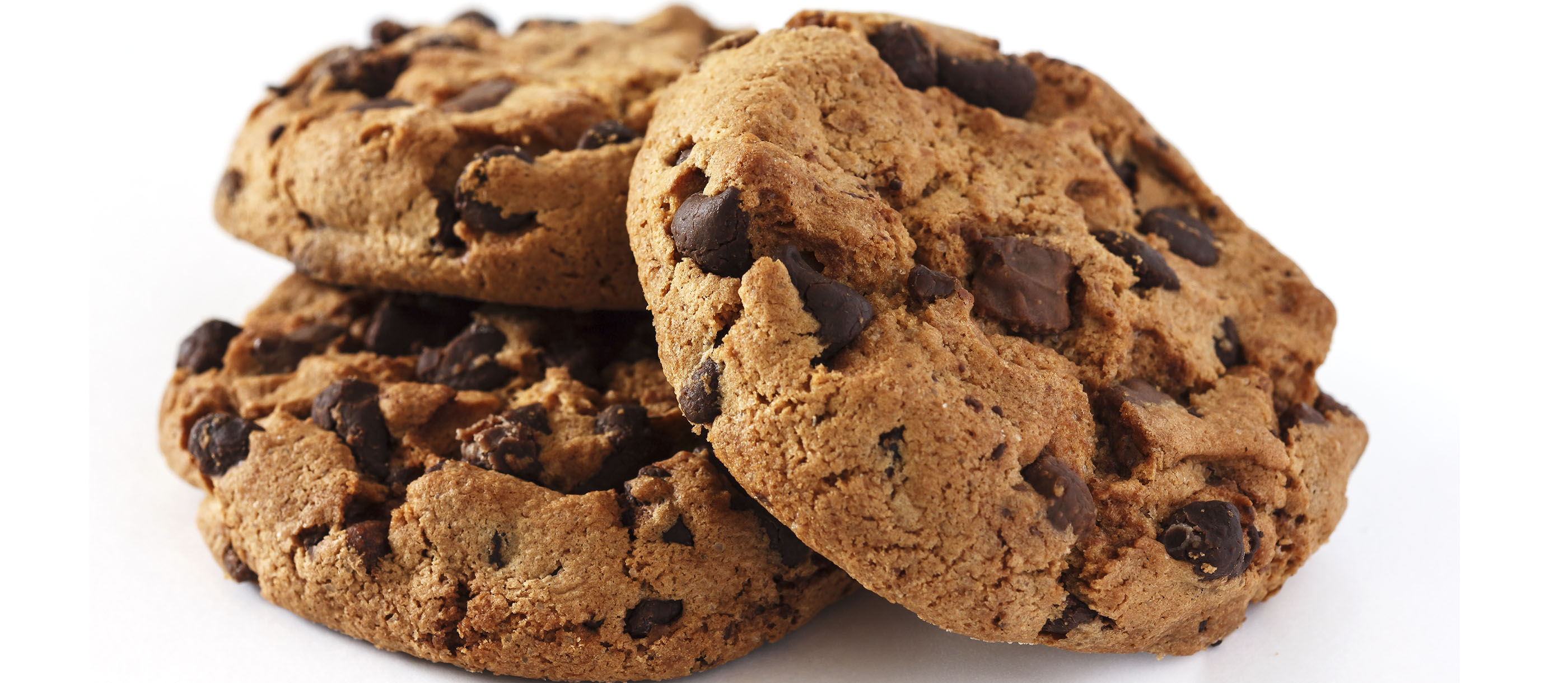
Nan-e nokhodchi is a small, crumbly cookie from Iran made primarily with roasted chickpea flour, sugar, cardamom, and clarified butter. It is especially associated with Qazvin, a city long known for its confectionery, but it is enjoyed across the country and has become one of the emblematic sweets of Persian New Year celebrations. The origins of nan-e nokhodchi reflect both regional agriculture and culinary ingenuity. Chickpeas have been cultivated in Iran for centuries, used in savory dishes, stews, and as a flour in sweets. In Qazvin, a center of trade and food production, chickpea flour became a foundation for small baked goods that could be stored, transported, and shared easily. As Persian confectionery developed under Safavid and later dynasties, cookies like nan-e nokhodchi gained a place alongside other spiced and delicately flavored pastries that highlighted the balance of local ingredients and imported seasonings such as cardamom. Preparation is straightforward but requires care. Roasted chickpea flour is mixed with powdered sugar and ground cardamom before being combined with ghee or clarified butter to form a pliable dough. The dough is rolled and pressed into small shapes, often using cloverleaf or diamond-shaped molds, then baked briefly until set but still pale. The result is a cookie that crumbles gently in the mouth, carrying the nutty sweetness of chickpeas and the fragrance of cardamom. Because the flour lacks gluten, the texture is distinct from wheat-based cookies and is one of the defining features of this sweet. Nan-e nokhodchi is closely tied to Nowruz, the Persian New Year, when families prepare an array of pastries to welcome spring and share with guests. Alongside baklava, nan-e berenji, and other sweets, these cookies represent hospitality and the spirit of renewal. Today, nan-e nokhodchi is found in pastry shops throughout Iran and in diaspora communities, often packed in decorative boxes for gifting. It is eaten with tea, offered to visitors during holidays, and appreciated year-round as a light and aromatic sweet.
02 / ОСНОВНЫЕ ПРОДУКТЫ БЛЮДА
Непереведённые названия показаны на языке сохранённых данных.
03 / РЕЦЕПТ
В сохранённых данных рецепта нет.
Запись · 12158