02 / ОСНОВНЫЕ ПРОДУКТЫ БЛЮДА
ещё не извлечены
English · русское название ещё не добавлено
01 / О БЛЮДЕ
Исходное описание на английском языке. Русский перевод ещё не добавлен.
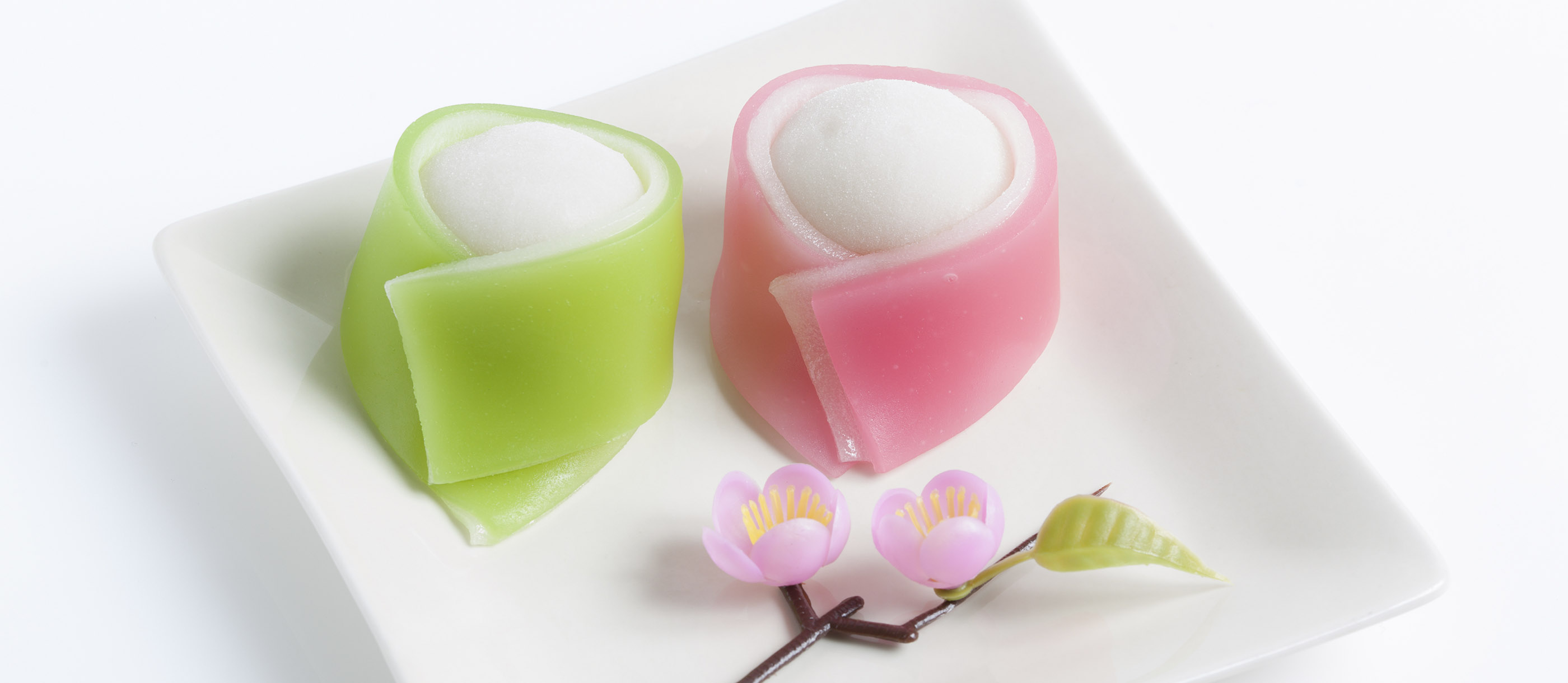
Namagashi, meaning raw sweets , is a highly decorative, moisture-rich sweet confection meticulously crafted from fruit jellies, agar, and sweetened bean paste to reflect the shifting seasons. While the term encompasses multiple distinct forms, the most recognizable variations include nerikiri, a sculptable paste; kinton, a shredded paste pressed into a sphere to resemble textured moss or fur; and gyuhi, a noticeably soft, stretchable dough. The visual designs of these items shift constantly throughout the year, engineered specifically to mimic blooming plum blossoms in spring, clear rushing water in summer, or fallen maple leaves in autumn. Building these intricate treats starts by boiling adzuki beans or white kidney beans with sugar to create a smooth, dense core paste. For the outer layer, the white bean mixture is thoroughly kneaded with glutinous rice flour to form a pliable, clay-like medium. This dough is tinted with various food colorings, flattened, and wrapped carefully around the dark, sweet core. The exterior is then shaped entirely by hand or with specialized wooden tools, scoring petals, pressing veins into leaves, and pinching edges to form distinct botanical shapes. Because of the high moisture content—often exceeding 30%—these delicate items perish rapidly and are consumed on the same day they are made. They arrive at the table, presented on a small individual ceramic plate or on folded paper, alongside a hot, frothy bowl of bitter matcha green tea. They are eaten using a small, flat wooden pick called a kuromoji to delicately slice the confection into bite-sized pieces, intentionally allowing the sugar's intense sweetness to perfectly counterbalance the liquid's sharp, astringent notes. The origins of this highly refined edible art trace back to the Edo period in Kyoto, evolving alongside the highly formalized tea ceremony. As the merchant class gained immense wealth and tea rituals grew increasingly complex, skilled artisans were commissioned to design sophisticated treats that appealed directly to all five senses, establishing a strict standard of visual and textural elegance that remains fully intact today.
02 / ОСНОВНЫЕ ПРОДУКТЫ БЛЮДА
ещё не извлечены
03 / РЕЦЕПТ
В сохранённых данных рецепта нет.
Запись · 1517