01 / ПАСПОРТ
- Категория
- Овощные блюда
- Страна
- Пуэрто-Рико
- Регион
- не указан
English · русское название ещё не добавлено
О БЛЮДЕ
Исходное описание на английском языке. Русский перевод ещё не добавлен.
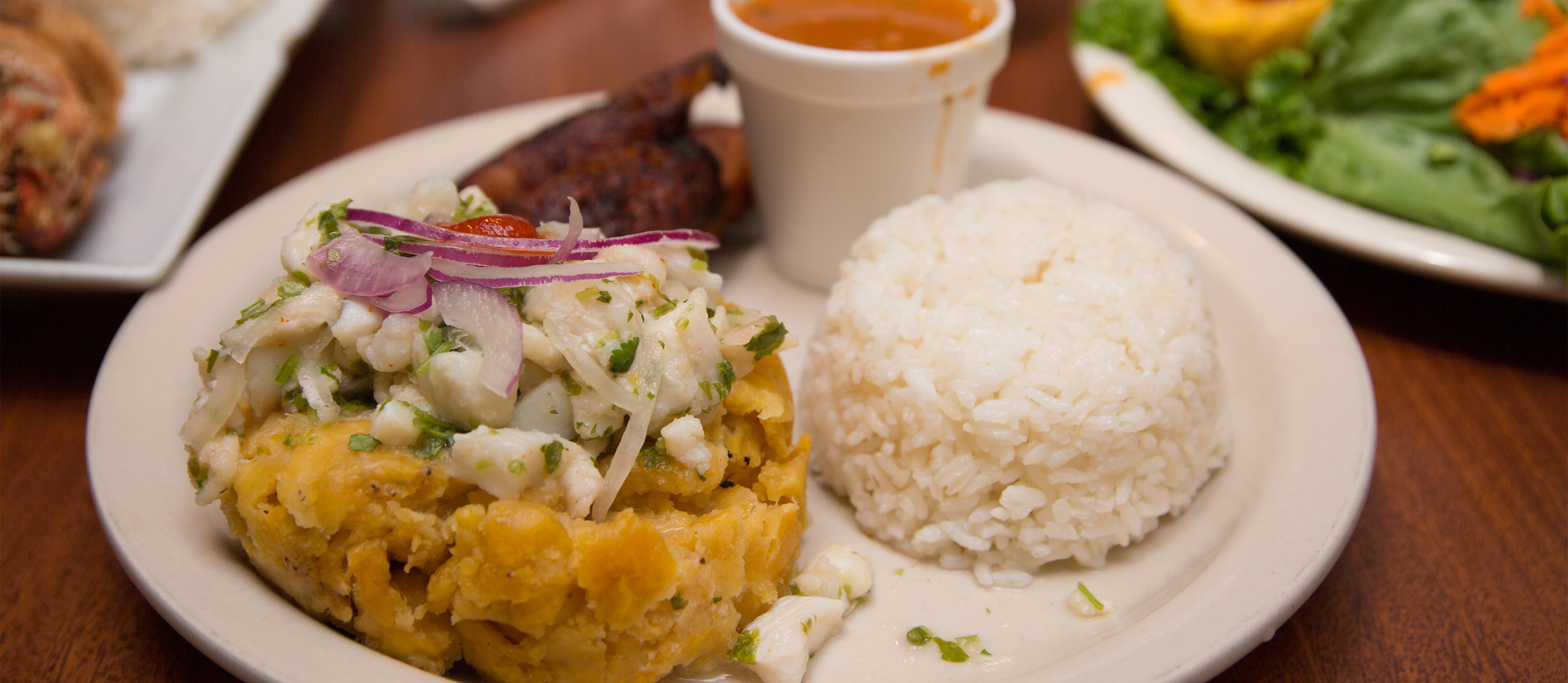
Mofongo is constructed by aggressively mashing fried green plantains together with raw garlic cloves, olive oil, and crispy pork cracklings. Although mofongo is Puerto Rican, it has African origins, as it was originally brought to Puerto Rico by enslaved people from West and Central Africa. Arriving at the table steaming hot, mofongo frequently sits in the center of a wide plate or directly inside the hollow wooden mortar used to shape it. Because the heavy starches naturally absorb massive amounts of moisture in the mouth, a small side bowl of savory chicken broth almost universally accompanies the meal; the hot liquid is meant to be poured directly over the top or sipped intermittently to soften the dense bite. Building this dish requires utilizing completely unripe, hard green plantains. The peeled plantains are sliced into thick rounds before being submerged in hot vegetable oil. Frying the slices until they reach a golden yellow color softens the interior flesh while keeping the outside sufficiently firm. The hot plantain chunks are immediately transferred into a large wooden mortar, known locally as a pilón. The fried plantain is crushed together with salt, generous pours of extra-virgin olive oil, and handfuls of crunchy pork skin, known as chicharrón. The constant pounding transforms the separate ingredients into a cohesive, highly textured mass, which is then tightly molded into a half-sphere against the mortar walls. A mofongo variant called trifongo blends three distinct starches by mashing fried green plantains alongside sweet, ripe yellow plantains and boiled cassava root, resulting in a softer texture and a distinct sweet undertone. Also, instead of serving the mofongo plain, many kitchens hollow out the top center to create an edible bowl, filling the cavity to the brim with plump shrimp swimming in a buttery garlic sauce, slow-stewed beef chunks, or fried chicken pieces. Plant-based adaptations replace animal fat with extra olive oil or vegetable broth and use fried garlic chips or crispy tofu bits to mimic the crunch of pork skin without altering the overall structural integrity. Today, it is also popular in Cuba and the Dominican Republic, where it's called mangu, and the plantains are not fried but boiled. Mofongo is usually consumed as a main dish, served with broth and fried meat, due to its starchiness that is ideal for absorbing all of the flavorful juices.
03 / РЕЦЕПТ
Рецепт найден и ожидает загрузки.