01 / ПАСПОРТ
- Категория
- Каши
- Страна
- Филиппины
- Регион
- не указан
English · русское название ещё не добавлено
О БЛЮДЕ
Исходное описание на английском языке. Русский перевод ещё не добавлен.
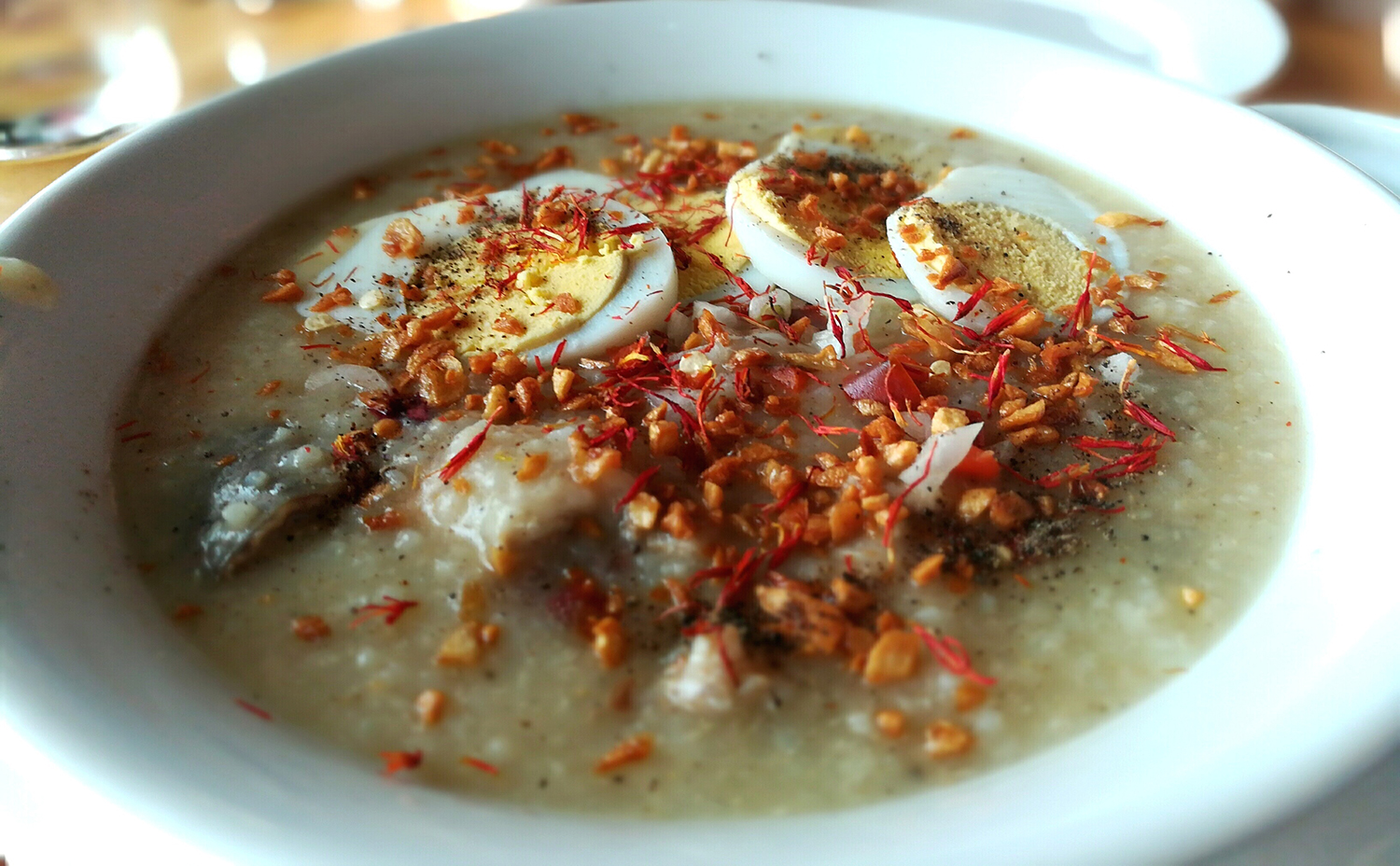
Lugaw is a versatile, starch-heavy rice porridge that serves as a blank canvas for an enormous array of sweet and savory flavors. The earliest Spanish colonial dictionary, the Vocabulario de la lengua tagala compiled by Pedro de San Buenaventura in 1613, officially defined the item simply as rice mixed with milk or water. It is traditionally prepared as a part of the Christmas Eve celebratory meal known as Noche Buena . Because of its soft, easily digestible texture, it serves as the ultimate comfort food for the sick, the elderly, and weaning infants, while also serving as a major caloric staple during breakfast or the cold, rainy typhoon season. The main ingredient is glutinous rice, known locally as malagkit, or standard long-grain white rice, boiled in an extreme excess of water or bone broth. The pot comes to a rapid boil before dropping to a slow, steady simmer until the grains break down completely, yielding a liquid noticeably thinner than standard Asian congee, which rapidly congeals into a thick paste if left to cool. For savory versions, crushed garlic, smashed ginger, and chopped onions are sautéed in hot oil until fragrant before the raw grains drop in to toast. The steaming porridge arrives in deep ceramic bowls and is topped. Typically, a squeeze of tart calamansi juice to cut through the heaviness of the starch, then splashes of soy sauce, fermented fish sauce, and ground black pepper. A massive scattering of chopped green scallions, incredibly crisp bits of fried garlic, and a halved hard-boiled egg almost always crown the bowl. Lugaw is eaten while still hot, frequently accompanied by side plates of tokwa't baboy, which consists of crispy fried tofu blocks mixed with boiled pork, as well as fried spring rolls or steamed rice cakes called puto. Arroz caldo, a name coined by the Spanish meaning "hot rice," features large, bone-in chicken segments and a generous pinch of safflower or turmeric, dyeing the entire batch a vibrant yellow. Another heavily favored savory iteration, goto, incorporates slow-boiled beef tripe, known as tuwalya, alongside gelatinous ox intestines and beef bone marrow, resulting in a significantly dense, chewy texture. In Visayan-speaking regions, these savory, meat-heavy variations are collectively referred to as pospas. Moving away from savory profiles entirely, sweet adaptations transform the starch into a rich treat, utilizing coconut milk or sugar. Champorado boils the sticky grains with pure native cacao blocks, called tablea, to create a dark chocolate porridge that is paired with salty dried fish called tuyo to offset its intense sweetness. Ginataang mais combines the rice with sweet corn kernels and rich coconut milk, while ginataang munggo relies heavily on toasted whole mung beans for a nutty, earthy profile. Binignit, another Visayan specialty, features slices of saba bananas, starchy taro, sweet potato, vibrant purple yam, and chewy sago pearls in a thick, sweet coconut milk base.
03 / РЕЦЕПТ
Рецепт для этого блюда пока не добавлен.