01 / ПАСПОРТ
- Категория
- Десерты во фритюре
- Страна
- Шри-Ланка
- Регион
- не указан
English · русское название ещё не добавлено
О БЛЮДЕ
Исходное описание на английском языке. Русский перевод ещё не добавлен.
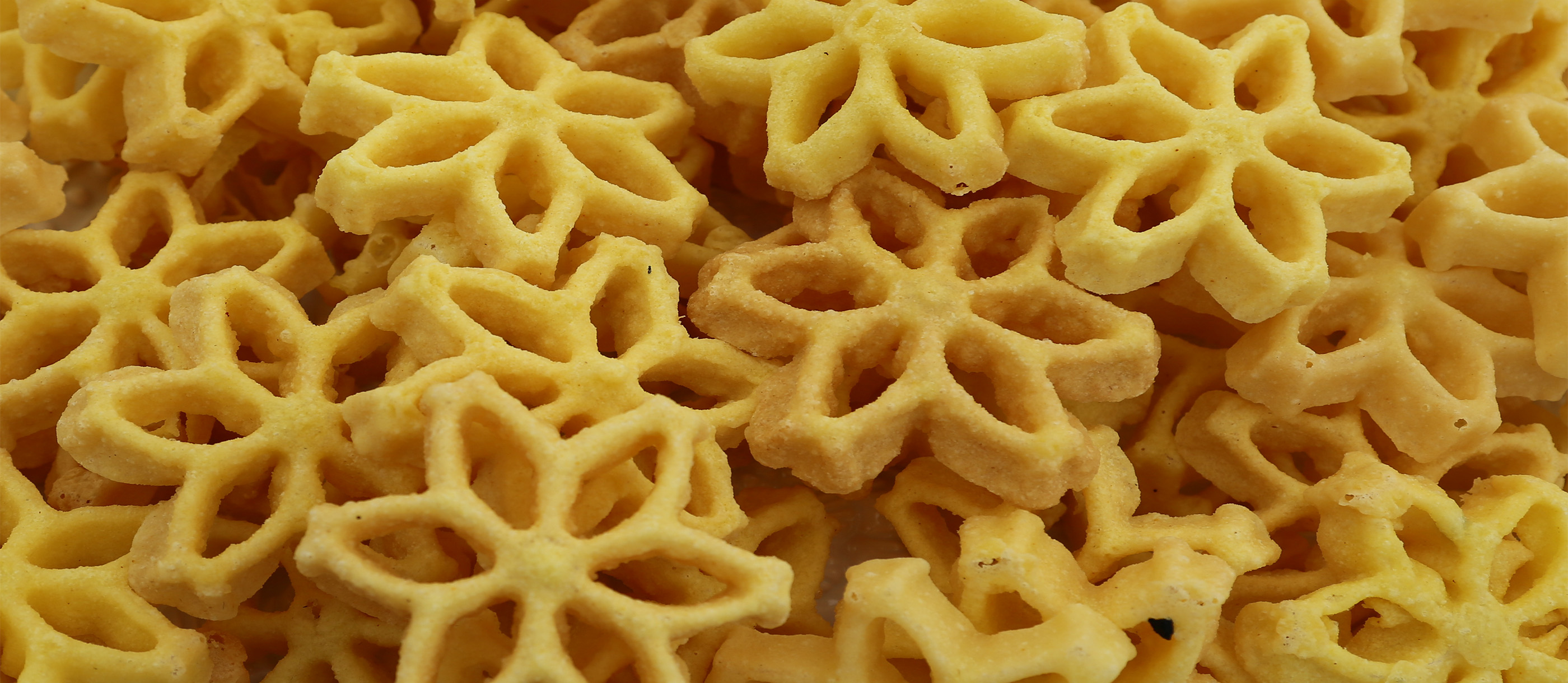
Kokis is a deep-fried, shatteringly crisp snack constructed from a thin batter of rice flour and coconut milk, characterized by its intricate, geometric shapes. Making it requires whisking finely milled rice flour, thick coconut milk, whole eggs, and a pinch of salt into a smooth, pourable liquid. A specialized long-handled metal mold, typically cast from brass or iron in the shape of a multi-petaled flower, star, or butterfly, rests submerged in a deep vat of boiling coconut oil until it becomes intensely hot. The heated metal is lifted from the oil, gently shaken, and immediately dipped into the cold batter. The liquid must strictly coat only the bottom and sides of the mold; submerging the iron completely over the top edge prevents the final product from detaching. The batter-coated mold plunges straight back into the boiling oil. Within seconds, the wet edges fry and pull away from the hot metal. A slight shake of the handle drops the hardened shape directly into the oil, finishing the frying until it turns a pale golden shade. Sweet iterations dissolve white sugar directly into the coconut milk, producing a sugary finish. Savory and spicy adaptations fold toasted sesame seeds, crushed cumin, or red chili powder directly into the wet mix to introduce a sharp background heat. A common visual modification involves adding a generous pinch of ground turmeric or a few drops of pandan leaf extract to tint the final product a bright yellow or pale green. The origins of this brittle confection trace directly to the Dutch colonial occupation of the island formerly known as Ceylon, which lasted from 1658 until 1796. European settlers brought cast-iron rosette irons from their homeland, merging their native frying techniques with local tropical ingredients. The name itself stems directly from the Dutch word "koekjes," meaning cookies or biscuits. The fried shapes drain entirely of excess oil before completely cooling to room temperature, a necessary step that maximizes their brittle texture. Kopkis are common during the Sinhalese and Tamil New Year in mid-April, anchoring festive tables right beside large slabs of milk rice. Eating the dry, crunchy shapes requires snapping the rigid geometric patterns apart by hand, universally accompanied by a hot cup of plain black tea.
03 / РЕЦЕПТ
Рецепт для этого блюда пока не добавлен.