01 / ПАСПОРТ
- Категория
- Завтраки
- Страна
- Израиль
- Регион
- не указан
English · русское название ещё не добавлено
О БЛЮДЕ
Исходное описание на английском языке. Русский перевод ещё не добавлен.
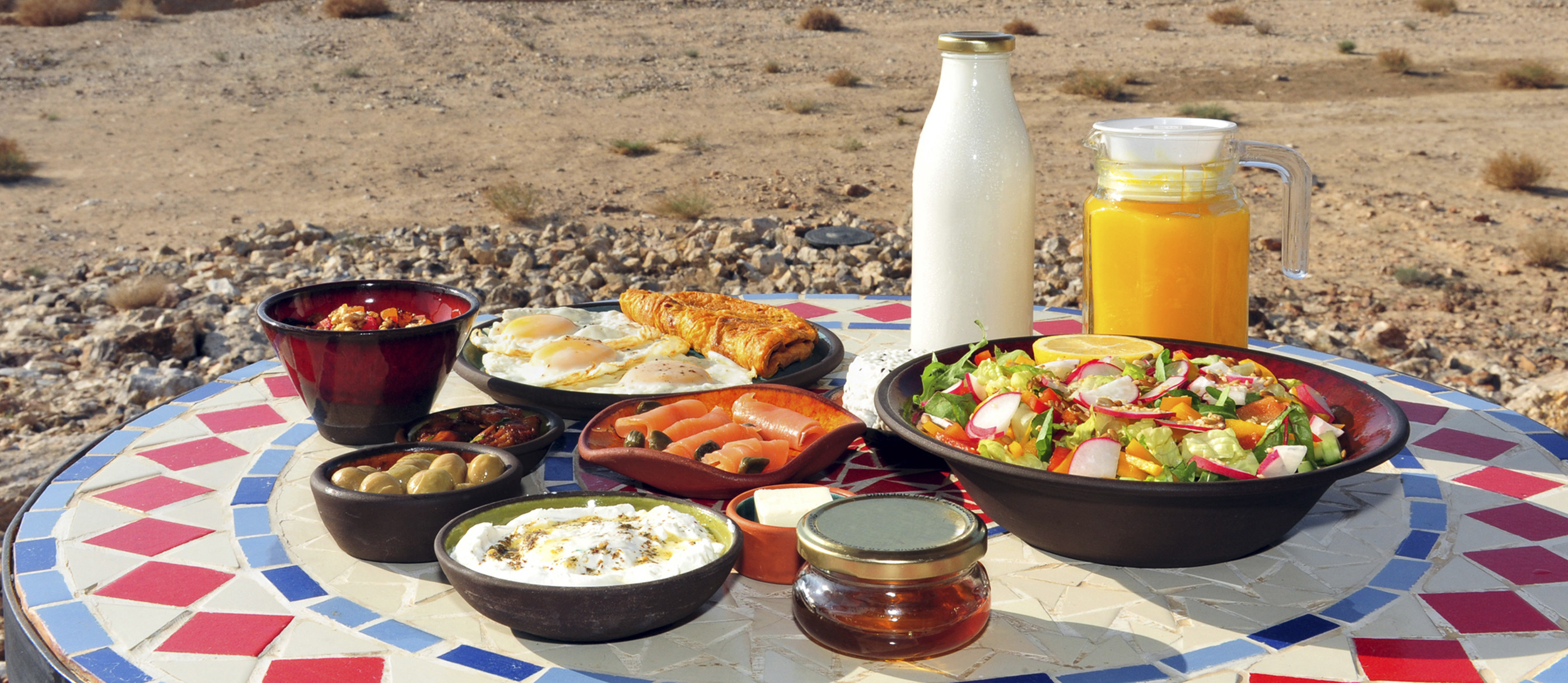
Israeli breakfast is a meal composed of a variety of fresh, light, and savory dishes, commonly served in homes, cafés, and hotels across Israel. It typically includes eggs, fresh vegetables, cheeses, breads, olives, spreads, and dairy products such as yogurt or labneh. The meal reflects the agricultural and Mediterranean character of Israeli cuisine, emphasizing freshness, balance, and variety. It is not a single dish but rather a collection of foods arranged to be eaten together, often presented in small portions that combine local produce with Middle Eastern and European influences. The roots of the Israeli breakfast lie in the kibbutz dining culture of the early 20th century. Agricultural workers would begin their day before sunrise and take their main meal after morning labor, creating a need for a substantial yet fresh and easily prepared spread. Kibbutz breakfasts typically featured ingredients produced on-site: eggs from the chicken coops, fresh milk and cheese from the dairy, vegetables from the fields, and bread baked in communal ovens. As Israeli society evolved, this practical meal developed into a culinary identity, eventually adapted by urban cafés and hotels. By the 1950s, the “Israeli breakfast” had become a recognized format, embodying both local agriculture and hospitality culture. Preparation involves assembling an assortment of fresh and cooked items rather than cooking a single dish. Eggs are most often served as omelets, fried, or scrambled, sometimes alongside shakshuka (eggs poached in tomato and pepper sauce). Vegetables such as cucumbers, tomatoes, peppers, and radishes are sliced and arranged with herbs and olive oil, forming the base of an Israeli salad. Dairy products play a key role, including feta-like white cheeses, soft goat cheese, labneh, and cottage cheese. Accompaniments include hummus, tahini, avocado, jams, and honey. Freshly baked breads, particularly pita, challah, and whole-grain loaves, complete the meal, often served with butter or olive oil. Israeli breakfast is served at the table or buffet-style, allowing diners to combine flavors and textures freely. While the core components remain consistent, the meal varies slightly across regions: coastal cafés may include smoked fish or tuna salad, while rural settings feature more dairy-based dishes. Many restaurants modernize the format with additions such as quinoa salads, roasted vegetables, or specialty breads, maintaining the same principle of variety and freshness. It is eaten daily in hotels and widely on weekends at home or in cafés, often as a leisurely brunch. The meal is accompanied by fresh juice, mint tea, or strong black coffee, and sometimes sparkling water or local wine during extended brunches. The Israeli breakfast has become a symbol of the country’s food culture, combining simplicity and abundance in a format that highlights local ingredients and the influence of multiple culinary traditions.
03 / РЕЦЕПТ
Рецепт для этого блюда пока не добавлен.