02 / ОСНОВНЫЕ ПРОДУКТЫ БЛЮДА
Уличная еда · Shortcrust Pastry
ещё не извлечены
English · русское название ещё не добавлено
01 / О БЛЮДЕ
Исходное описание на английском языке. Русский перевод ещё не добавлен.
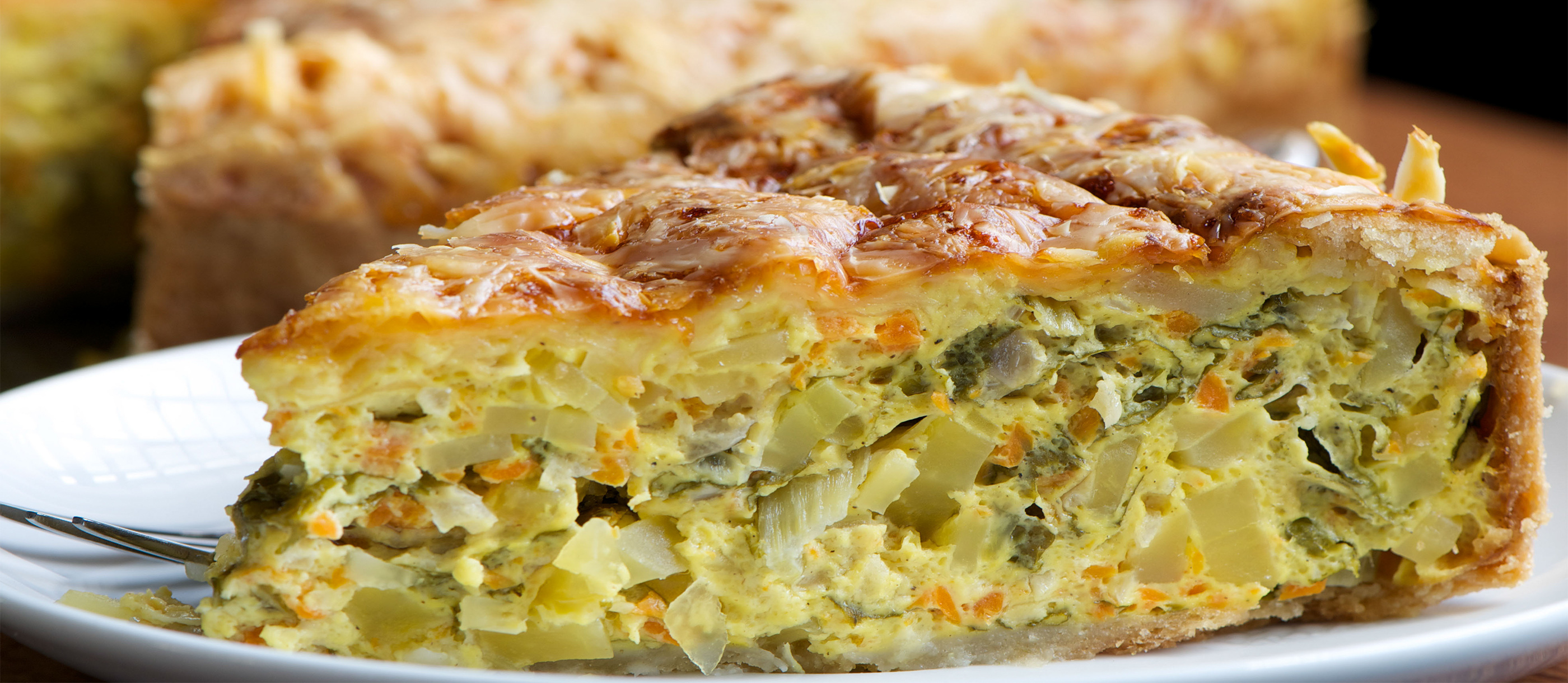
Hoenderpastei is a rich chicken pie associated with the Cape, usually filled with tender chicken, hard-boiled eggs, thickened stock, lemon, and warm spices. Ham or bacon may be included, and sago is often used to give the gravy enough body to remain inside the pastry. The pie can be completely enclosed, but many versions consist of a deep pie dish covered only with a puff-pastry or shortcrust lid. The Afrikaans name means “chicken pie.” Its development belongs to the broader history of meat pies at the Cape, where European pastry formats met ingredients and seasonings carried through the Dutch East India Company’s maritime network. European settlers brought recipes for poultry and meat enclosed in firm, fat-rich pastry during the seventeenth century. A Dutch chicken pie called kieken pastey appeared in the 1669 cookbook De Verstandige Kock. It contained a seasoned poultry filling inside pastry and provides a credible early relative of hoenderpastei, although it was not identical to the pie now recognized by that name. Cape versions gradually developed their own character. Mace, nutmeg, allspice, cloves, black pepper, lemon, wine, and other seasonings reflected access to European and Asian ingredients. Enslaved communities brought to the Cape from Madagascar, India, Indonesia, and other parts of the Indian Ocean world also shaped the region’s use of spices, rice, sago, citrus, and sweet-savory combinations. Sago became a particularly recognizable ingredient in older Cape chicken pie formulas. It is a starch obtained mainly from the pith of tropical sago palms and was carried through Asian maritime trade. Once simmered in chicken stock, the small pearls swell, become translucent, and release enough starch to thicken the surrounding liquid. Its function is practical as well as textural. A loose broth can soak through the base or escape around the pastry edges, while a stock thickened with sago stays around the chicken. The pearls also give the gravy a soft, lightly gelatinous body without producing the heavier texture of a flour-thickened sauce. The filling usually begins with a whole chicken, stewing hen, or a mixture of bone-in chicken pieces. A mature bird is especially suitable because its meat develops a deeper flavor during slow simmering and its bones enrich the stock. The chicken is placed in a large pot and covered with cold water or light stock. Black peppercorns, bay leaves, onion, carrots, and sometimes celery are added. Mace, allspice, cloves, parsley stems, nutmeg, or a small cinnamon stick may also be included. The liquid is brought slowly to a gentle simmer. The chicken is heated until the meat pulls easily from the bones but still retains enough structure to form substantial pieces inside the pie. Once tender, the bird is lifted from the pot and allowed to cool enough to handle. The skin and bones are removed, and the meat is shredded into thick pieces rather than reduced to fine fibers. Dark and white meat are usually combined so that the filling remains moist and flavorful. The stock is strained through a fine sieve to remove bones, peppercorns, bay leaves, and softened aromatics. It may then be returned to the heat and reduced until its flavor becomes concentrated. Excess fat can be skimmed from the surface, although a moderate amount contributes richness. Sago pearls are commonly soaked in cold or lukewarm water before use, though some recipes add dry sago directly to the stock and allow it to hydrate during simmering. The soaked and drained sago is added to the hot stock and simmered gently. The pearls swell and become translucent rather than bursting completely. Regular stirring is necessary because the starch can settle against the base of the pot and scorch. As the sago softens, the stock develops a glossy, lightly sticky texture. It should be thick enough to coat the chicken but not so rigid that the cooled filling resembles a solid paste. Additional stock can loosen an excessively thick sauce, while further simmering can reduce one that remains watery. Lemon juice gives hoenderpastei its characteristic freshness and prevents the rich chicken, eggs, pastry, and pork from tasting flat. Some versions use both lemon juice and finely grated zest. Dry white wine or sherry may also be added, contributing acidity and a more complex aroma. Ground mace and white pepper are particularly well suited to the pale filling. Mace contributes warm, fragrant notes related to nutmeg but usually tastes lighter and more floral. Black pepper, nutmeg, allspice, or cloves may replace or accompany it. Not every hoenderpastei contains a dairy-based white gravy. Many older versions rely on chicken stock, sago, butter, egg yolk, lemon, and wine. Other formulas add milk, cream, or a flour-and-butter sauce, producing a paler and creamier filling. Although not a regular practice, the thickened stock can be enriched with egg yolk. The yolk is whisked with lemon juice and tempered gradually with a little hot liquid before being stirred back into the sauce. The mixture is heated gently without boiling so that the yolk thickens the gravy without curdling. The shredded chicken is folded into the finished sauce. Hard-boiled eggs are peeled and cut into halves, quarters, or thick slices. They can be mixed through the chicken or arranged in visible layers so that each portion contains pieces of white and yolk. The filling should be allowed to cool before the pastry is added. A steaming-hot mixture softens the dough, melts its fat too early, and reduces the pastry’s ability to rise into distinct flakes. A deep ceramic, enamel, glass, or metal pie dish is commonly used. The filling is spooned into the vessel, with the eggs distributed evenly. A pie funnel or inverted ovenproof cup may be placed in the center of a large pie to support the pastry and allow steam to escape. Many versions have only a pastry lid. A cold sheet of puff pastry, rough puff, shortcrust, or sour-cream pastry is draped over the filled dish and pressed firmly against the dampened rim. Excess dough is trimmed, and the edge may be crimped with the fingers or a fork. Fully enclosed hoenderpastei also exists. In this form, the dish or tin is lined with pastry before the cooled filling is added, and a second sheet is fitted over the top. The two layers are sealed carefully so the gravy does not escape. Briefly blind-baking the base can reduce sogginess, particularly when the filling contains a large amount of sauce. Puff pastry creates a light, brittle, highly laminated top. Shortcrust gives the pie a firmer, more crumbly shell, while sour-cream pastry produces a tender crust with gentle acidity. The choice changes the texture but not the identity of the filling. A small opening is cut into the center of the lid so steam can escape. Decorative leaves, feathers, flowers, or strips of pastry may be arranged across the surface. Beaten egg or egg yolk is brushed over the exposed dough to give it a glossy, golden finish. Ham is one of the best-established additions. Slices or cubes of cooked or cured ham are layered among the chicken and eggs, adding salt, smoke, and a contrasting pink color. Smoked ham works especially well against lemon, mace, and the mild chicken gravy. Bacon can be used in the same way. It is usually fried first so that excess fat is rendered and its surface begins to brown. Thick pieces of uncooked fatty bacon can release too much grease into the pie and make the lower pastry heavy. Pork is excluded from Cape Muslim versions. In those formulas, the filling remains focused on chicken, eggs, spices, and thickened stock, or uses another permitted smoked meat. Mushrooms are another common addition. White button mushrooms, brown mushrooms, porcini, or other woodland varieties can be sliced and fried in butter until their released moisture has evaporated. Adding them raw would introduce water into the gravy and could soften the pastry. Their earthy flavor gives the filling greater depth, especially when combined with thyme, parsley, black pepper, and a small quantity of cream. Mushrooms may replace the ham or accompany it. Carrots, celery, peas, and onions sometimes remain in the finished filling rather than serving only to flavor the stock. These create a more vegetable-rich pie, although chicken, gravy, eggs, and pastry remain its central components. Turkey can replace chicken, particularly when using leftover roasted meat. Guinea fowl and other poultry can also be used, although firmer birds require enough simmering to tenderize the meat before it enters the pie. Individual hoenderpasteitjies use the same filling in small pastry cases or ramekins. A greater proportion of pastry surrounds each serving, producing a crispier crust in relation to the chicken. Fully enclosed versions can be eaten by hand once cooled slightly, while ramekin pies are served with a spoon or fork. Small pies bake more quickly than a large communal version. Their filling must remain particularly thick so that it does not escape when the pastry is cut or bitten. Small steam vents are still needed to prevent the lids from splitting. After baking, a large pie should rest for roughly ten to fifteen minutes. This allows the bubbling gravy to settle and thicken slightly, making it easier to portion. Cutting immediately can cause the sauce to run across the dish and separate the pastry from the filling. A sharp knife is used to cut through the crisp top. A serrated blade can help with a particularly flaky crust, although a smooth, sharp knife usually breaks fewer layers. A large serving spoon then reaches beneath the chicken, eggs, gravy, and pastry, transferring them together to the plate. Glazed sweet potatoes are a well-known accompaniment. Thick pieces of sweet potato are cooked with butter, sugar or honey, cinnamon, and sometimes orange juice until tender and glossy. Their sweetness complements the lemon, spices, chicken, and salty ham, but they do not provide an acidic contrast. Fruit chutney supplies both sweetness and acidity. Apricot chutney is especially suitable, as are peach, mango, or mixed-fruit versions. A small amount beside the pie brightens the rich filling without overwhelming its mild spices. Rice, green beans, peas, carrots, salad, or roasted vegetables may also accompany the pie. The exact sides depend on whether hoenderpastei is served as a large celebratory centerpiece, a family lunch, or an individual pastry.
02 / ОСНОВНЫЕ ПРОДУКТЫ БЛЮДА
Уличная еда · Shortcrust Pastry
ещё не извлечены
03 / РЕЦЕПТ
В сохранённых данных рецепта нет.
Запись · 3035