02 / ОСНОВНЫЕ ПРОДУКТЫ БЛЮДА
Завтраки
ещё не извлечены
English · русское название ещё не добавлено
01 / О БЛЮДЕ
Исходное описание на английском языке. Русский перевод ещё не добавлен.
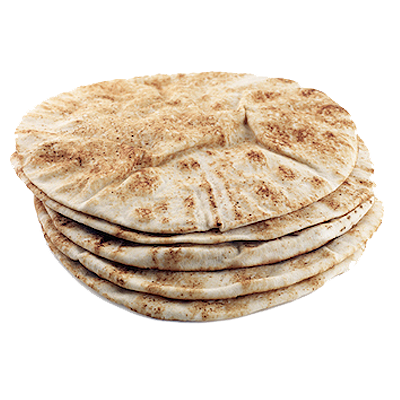
Goraasa, also spelled gurasa or gorassa, is a thick wheat flatbread with a soft, spongy texture. It is particularly associated with northern Sudan, where it is commonly served under stews so the bread absorbs the sauce. Unlike kisra, a very thin fermented flatbread made mainly from sorghum, goraasa is wheat-based and considerably thicker. Its texture falls somewhere between a flatbread and a thick pancake: soft enough to tear easily but substantial enough to hold up under a rich stew. Wholemeal wheat flour is particularly characteristic of the traditional preparation. It is mixed with water, salt, and a leavening agent to form a thick, pourable batter. Yeast is commonly used today, although a small amount of fermented batter saved from an earlier batch can also act as a starter. The mixture is allowed to ferment until it becomes slightly aerated. The batter is then cooked on a hot flat griddle, traditionally a metal or ceramic cooking surface heated over a fire. A portion is poured onto the surface and spread into a thick round. As it cooks, small bubbles appear, and the bread develops its characteristic porous interior. Once the underside is set and lightly browned, the goraasa is turned and cooked on the other side. It should not become crisp. The finished bread should remain soft, supple, and thick enough to absorb sauce. Cooked pieces are usually stacked and covered with a cloth to retain moisture. Goraasa belongs to Sudan's much older culture of cooking breads and grain batters on heated griddles. Archaeological evidence shows that griddle baking has deep roots in the Nile Valley, but the exact age and origin of goraasa itself are not known. Wheat has nevertheless been cultivated along the Nile in northern Sudan since antiquity, and wheat breads became particularly important in areas where irrigated agriculture made the grain easier to grow. Goraasa remains especially characteristic of these northern wheat-growing regions. The traditional way to eat goraasa is with mullah, the broad Sudanese term for the sauces and stews served with staple breads and porridges. The goraasa may be placed on a communal tray and covered with the stew, allowing its porous surface to soak up the cooking juices. Meat-and-tomato mullah and sauces thickened with dried okra are particularly characteristic accompaniments. Pieces of the softened bread are torn off by hand and used to pick up the sauce, meat, and vegetables. Cutlery is not necessary, although it may of course be used.
02 / ОСНОВНЫЕ ПРОДУКТЫ БЛЮДА
Завтраки
ещё не извлечены
03 / РЕЦЕПТ
В сохранённых данных рецепта нет.
Запись · 4869