02 / ОСНОВНЫЕ ПРОДУКТЫ БЛЮДА
ещё не извлечены
English · русское название ещё не добавлено
01 / О БЛЮДЕ
Исходное описание на английском языке. Русский перевод ещё не добавлен.
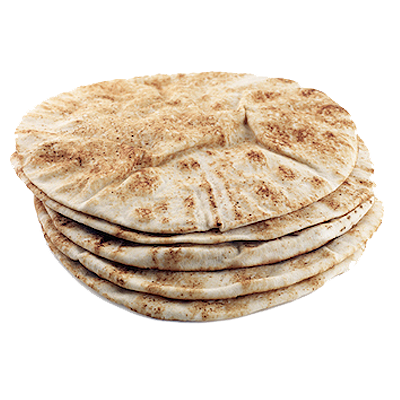
Ftat misrati is an exceptionally thin flatbread from Misrata, in western Libya. It is made from a simple wheat-flour dough and cooked quickly on a hot flat surface. What distinguishes the Misratan version from ordinary ftat is an unusual technique in which two pieces of dough are joined with a thin layer of cornflour and olive oil between them. As the bread cooks, the two layers separate, producing two very thin, soft flatbreads from a single piece of dough. The dough is made from wheat flour, water, olive oil and salt. It is kneaded until smooth and soft, coated lightly with oil, and allowed to rest so the gluten relaxes. The dough is then divided into small balls and rested again. Separately, cornflour is mixed with olive oil to form a thick, smooth paste. Two dough balls are flattened, a small amount of the paste is spread over one piece, and the second is placed on top. The edges are pinched together so that the oily paste remains trapped between the layers. After another rest, each double piece of dough is stretched very thinly. Traditionally, this is done by hand on an oiled plate or work surface rather than with a rolling pin. The dough is gently pushed and stretched outward until it forms a large, almost translucent circle. The bread is cooked over medium heat on a hot flat griddle, saj, or frying pan. Cooking takes only a short time. As the heat reaches the cornflour-and-oil layer, the two sheets separate. They are then pulled apart, and each sheet is briefly returned to the hot surface so the remaining side and edges can finish cooking. Ftat misrati should remain soft and flexible rather than becoming crisp. The finished breads are therefore stacked and wrapped in a clean cloth as soon as they leave the pan. This traps enough steam to keep the thin sheets pliable. They are generally eaten warm and can be briefly reheated in a pan if necessary. The word ftat refers to small or torn pieces, which reflects one of the bread's most characteristic uses. The thin sheets are torn into pieces and covered with broth, stew, or sauce, creating dishes belonging to the wider North African and Arab family of fatta and tharid. In these dishes, the bread absorbs the liquid while retaining enough structure not to disintegrate immediately. This way of eating bread appears in different forms throughout Libya. Southern Libyan versions of fatta may use thicker, leavened breads cooked in a tannur. Meanwhile, eastern Libya has its own very thin breads used for dishes such as mathruda, which combines torn bread with ingredients including meat and dates. Ftat misrati is especially well suited to this style of eating because its thin sheets absorb sauces easily. However, the bread is not always torn into pieces. Whole ftat can also be used as a wrapper. One particularly popular filling is ejja, a thick Libyan omelet or frittata that may contain potatoes, herbs, onions and spices. A piece of warm ejja is wrapped inside the soft ftat and eaten by hand. The combination is particularly popular during Ramadan. Warm sheets of ftat may be served alongside other foods at breakfast or eaten with tea, and their mild flavor suits both savory fillings and strongly flavored stews.
02 / ОСНОВНЫЕ ПРОДУКТЫ БЛЮДА
ещё не извлечены
03 / РЕЦЕПТ
В сохранённых данных рецепта нет.
Запись · 4368