01 / ПАСПОРТ
- Категория
- Тушёные блюда
- Страна
- Иран
- Регион
- не указан
English · русское название ещё не добавлено
О БЛЮДЕ
Исходное описание на английском языке. Русский перевод ещё не добавлен.
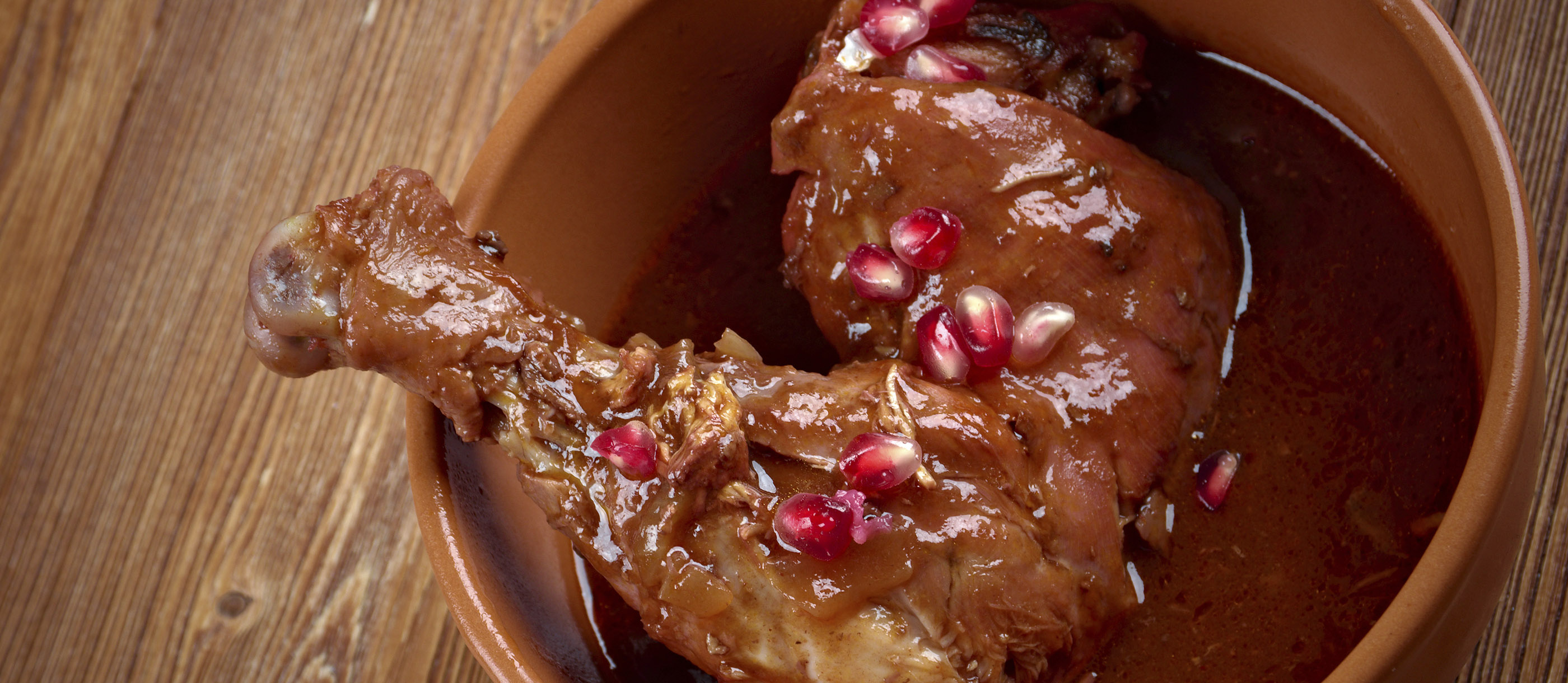
Fesenjān is a rich Persian stew that comes from the northern provinces of Iran, especially Gilan and Mazandaran along the Caspian Sea. Known for its distinctive combination of ground walnuts and pomegranate molasses, this dish is typically prepared with poultry such as duck or chicken, though lamb or beef can also be used. It is valued as one of the most refined examples of Iranian khoresh, offering a deep, tangy-sweet flavor profile that sets it apart from other Iranian stews. The documented history of fesenjān stretches back centuries, with references found in Persian culinary manuscripts describing the method of slow-cooking meat in nut pastes and fruit extracts. Its use of pomegranate, a fruit with ancient ties to Iranian agriculture and symbolism, points to the dish’s connection with pre-Islamic gastronomy and festive occasions. Over time, fesenjān became associated with family gatherings, celebrations, and autumn harvests when pomegranates are plentiful. To prepare fesenjān, cooks begin by finely grinding walnuts until they release their oils, forming a paste that will help thicken the sauce. The meat is seared lightly in oil and simmered slowly in the walnut base, which is diluted with water or stock. As the cooking progresses, pomegranate molasses is added gradually to achieve the characteristic balance of acidity and sweetness. The mixture must cook gently for several hours so the flavors develop fully and the walnuts release their richness, resulting in a thick, dark sauce that clings to each piece of meat. The final seasoning may include a touch of sugar if the pomegranate is especially tart, and occasionally saffron or cinnamon is stirred in to deepen the aroma. This stew is always served hot, ladled over a mound of steaming Persian rice (chelo), with the contrasting textures of fluffy grains and the glossy, walnut-laden sauce. Fesenjān is often presented on special occasions, such as weddings or religious celebrations. Beyond Iran’s borders, fesenjān has drawn the interest of chefs who admire its layered taste and the technique of cooking with nuts as a primary thickener. Its inclusion in cookbooks and restaurant menus highlights the diversity of Iranian regional cooking, which is far broader than many realize. In homes, it remains a dish associated with care and patience, cooked slowly to achieve the exact consistency and flavor that generations have come to expect.
03 / РЕЦЕПТ
Рецепт для этого блюда пока не добавлен.