01 / ПАСПОРТ
- Категория
- Овощные блюда
- Страна
- Ирландия
- Регион
- не указан
English · русское название ещё не добавлено
О БЛЮДЕ
Исходное описание на английском языке. Русский перевод ещё не добавлен.
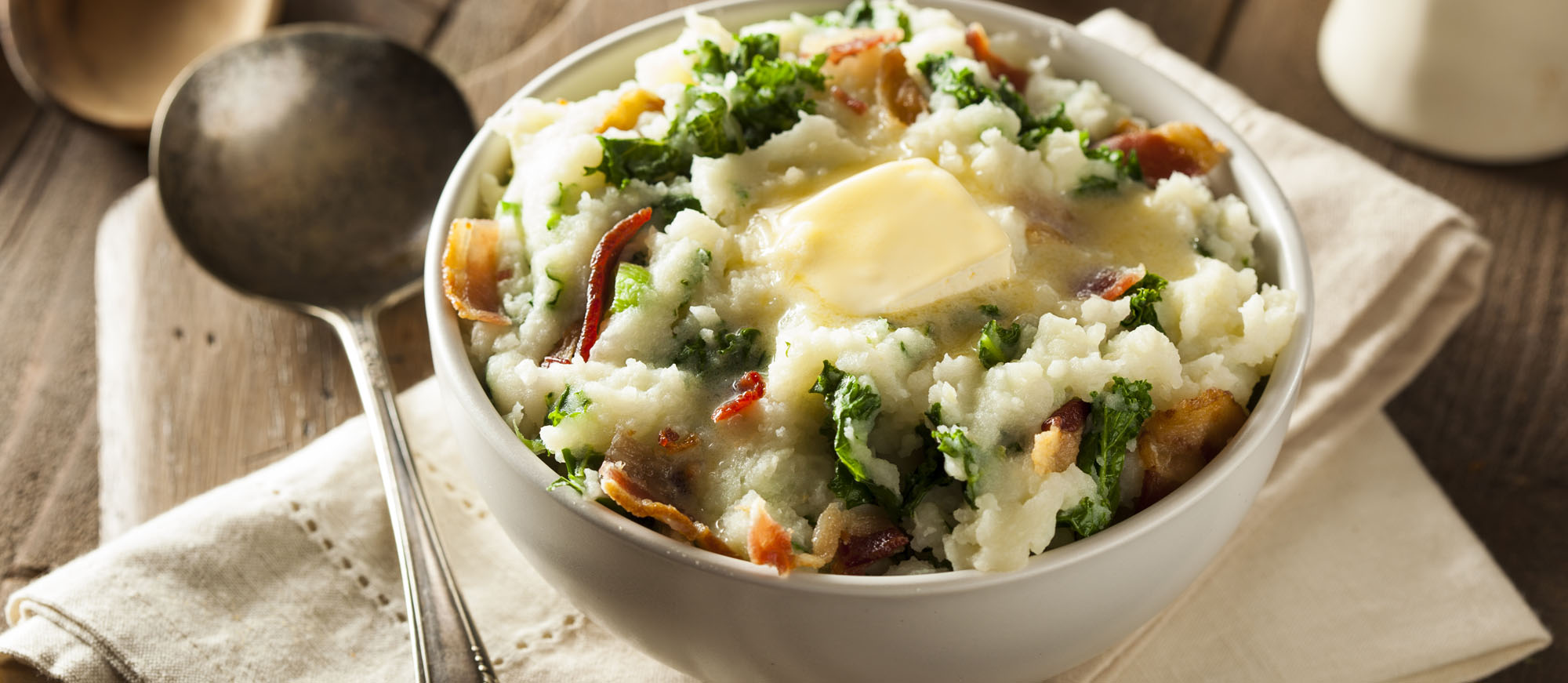
Colcannon is made from mashed potatoes combined with cabbage or kale, often enriched with butter, milk, and sometimes scallions. It comes from the rural cooking of Ireland, where potatoes formed the backbone of the diet for centuries and green vegetables were among the most reliable companions to the staple crop. The name itself is believed to derive from the Gaelic “cal ceannann,” meaning white-headed cabbage, which points directly to the importance of leafy greens in the dish. Potatoes became a central food in Ireland after their introduction from the Americas in the 16th century, and by the 18th century they were a staple of nearly every household. Colcannon arose naturally from the combination of potatoes with locally available greens, making it filling, nourishing, and inexpensive. It was more than everyday sustenance, though, as it also gained a place in Irish festivals. On Halloween, for example, colcannon was sometimes served with small charms or coins hidden inside, believed to foretell the fortunes of those who found them. This festive role gave the dish cultural significance beyond the table. Preparation begins with boiling potatoes until soft, mashing them with warm milk and butter to create a smooth base. Finely shredded cabbage or kale is cooked until tender, often sautéed lightly in butter to develop flavor, then folded into the mashed potatoes along with chopped scallions or leeks. The result is a balance of creamy texture with the slight bite of greens and a subtle onion sharpness. It is typically seasoned simply with salt and pepper, letting the ingredients speak for themselves. Today, colcannon is still eaten across Ireland, often as a side dish to roasted meats or stews. It pairs naturally with sausages, lamb, or corned beef, and its buttery, hearty consistency makes it especially popular in colder months. In Irish pubs and homes, it is equally at home as comfort food or as part of festive holiday meals. The dish has also traveled abroad with the Irish diaspora, appearing in Irish-American cooking and being celebrated on St. Patrick’s Day tables around the world.
03 / РЕЦЕПТ
Рецепт для этого блюда пока не добавлен.