02 / MAIN DISH INGREDIENTS
not yet extracted
01 / ABOUT THE DISH
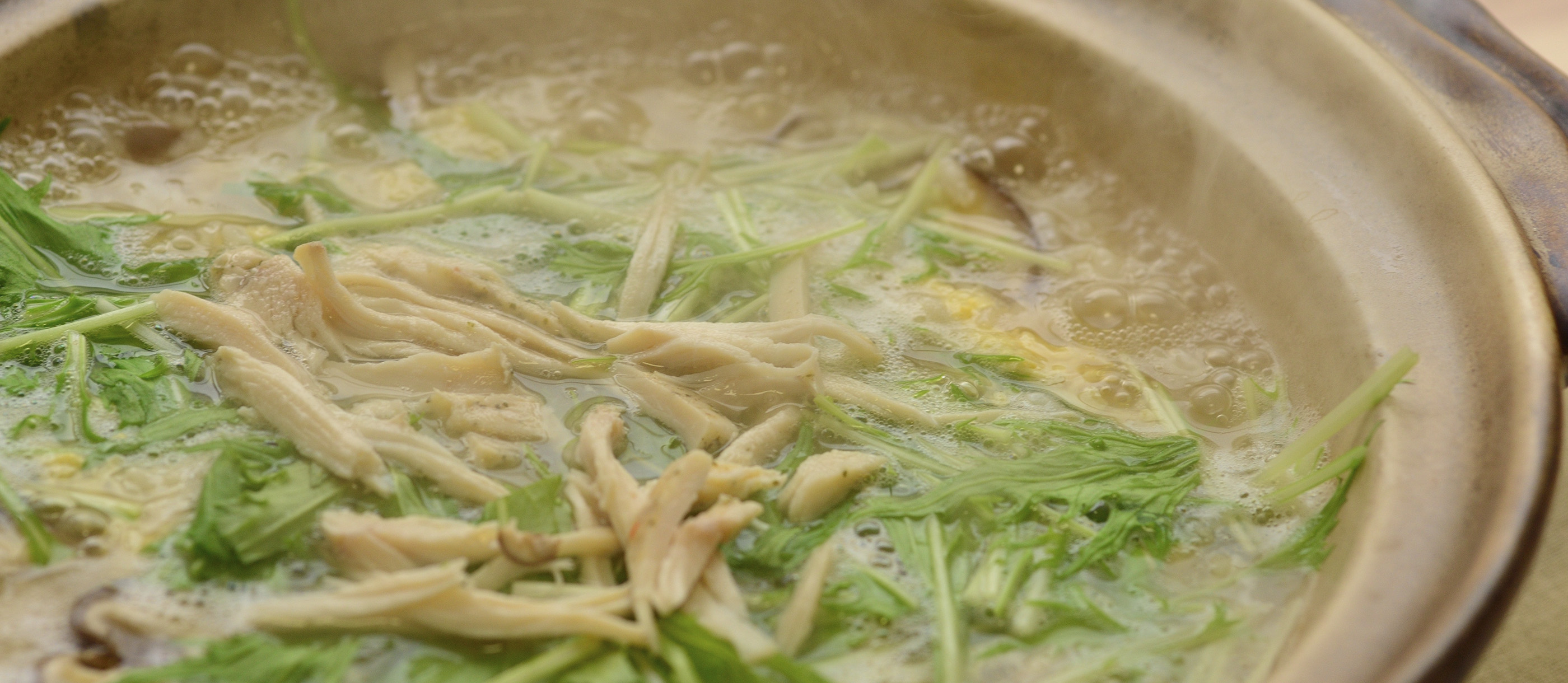
Zōsui is a savory soup created by briefly simmering pre-cooked white rice in a hot, heavily seasoned dashi broth filled with chopped vegetables, mushrooms, meats, and seafood. Consuming this warm liquid often occurs at the very end of a large communal hot pot meal, using the leftover seasoned liquid from the main course as the primary flavor base. The historical timeline of this specific boiling method stems entirely from the era before electric rice warmers were invented. Because leftover steamed grains hardened and spoiled rapidly, households prevented excessive food waste by tossing the cold scraps directly into hot soup or boiling water to restore their softness. The term originally translated to "miscellaneous water," written with entirely different characters in the past, reflecting how families simply added large volumes of water and vegetable scraps to stretch a tiny amount of leftover rice into a massive, filling meal. To build the soup from scratch, leftover cold grains must first be rinsed thoroughly in a strainer under cold running water to remove the sticky surface starch. Bypassing this crucial washing step causes the liquid to thicken into a cloudy, viscous stew called ojiya. The washed grains are submerged in a clear stock built from kelp and bonito flakes, seasoned simply with salt and soy sauce, though miso paste is occasionally utilized to flavor the ojiya variant. As the liquid comes to a rolling boil, beaten raw eggs are poured across the surface in a thin stream to form delicate, floating ribbons. Once removed from the heat, the bowls are heavily garnished with chopped green scallions, wild parsley, crushed roasted seaweed, acidic pickled plums, or tart citrus ponzu sauce before being eaten with a spoon. It acts as an incredibly easy-to-digest, warming remedy for those suffering from winter colds or gastrointestinal distress, leading modern grocery stores to stock instant freeze-dried packets and ready-to-eat pouches in large numbers. Moving beyond the standard everyday bowl, numerous high-end restaurant variations center entirely around luxurious proteins served at the end of expensive multi-course meals. Maru zōsui features a rich softshell turtle, fugu zōsui utilizes mildly toxic pufferfish, kani zōsui incorporates sweet crab meat, and tori zōsui relies on fatty chicken. A highly specific regional alteration found in the Iya Valley replaces the white rice entirely with boiled buckwheat seeds to create soba zōsui. Further south in the Ryukyu Islands, a thick adaptation known as yafarā jūshī utilizes a heavy pork bone broth loaded with pure lard, pork ribs, shiitake mushrooms, and root vegetables.
02 / MAIN DISH INGREDIENTS
not yet extracted
03 / RECIPE
There is no recipe in the saved data.
Record · 1664