02 / MAIN DISH INGREDIENTS
- Beef
- Bell Pepper
- Onion
- Garlic
- Bay Leaves
- Cumin
- Oregano
- Lime Juice
- Orange Juice
- Lemon Juice
- Olive Oil
- Black Pepper
- Salt
01 / ABOUT THE DISH
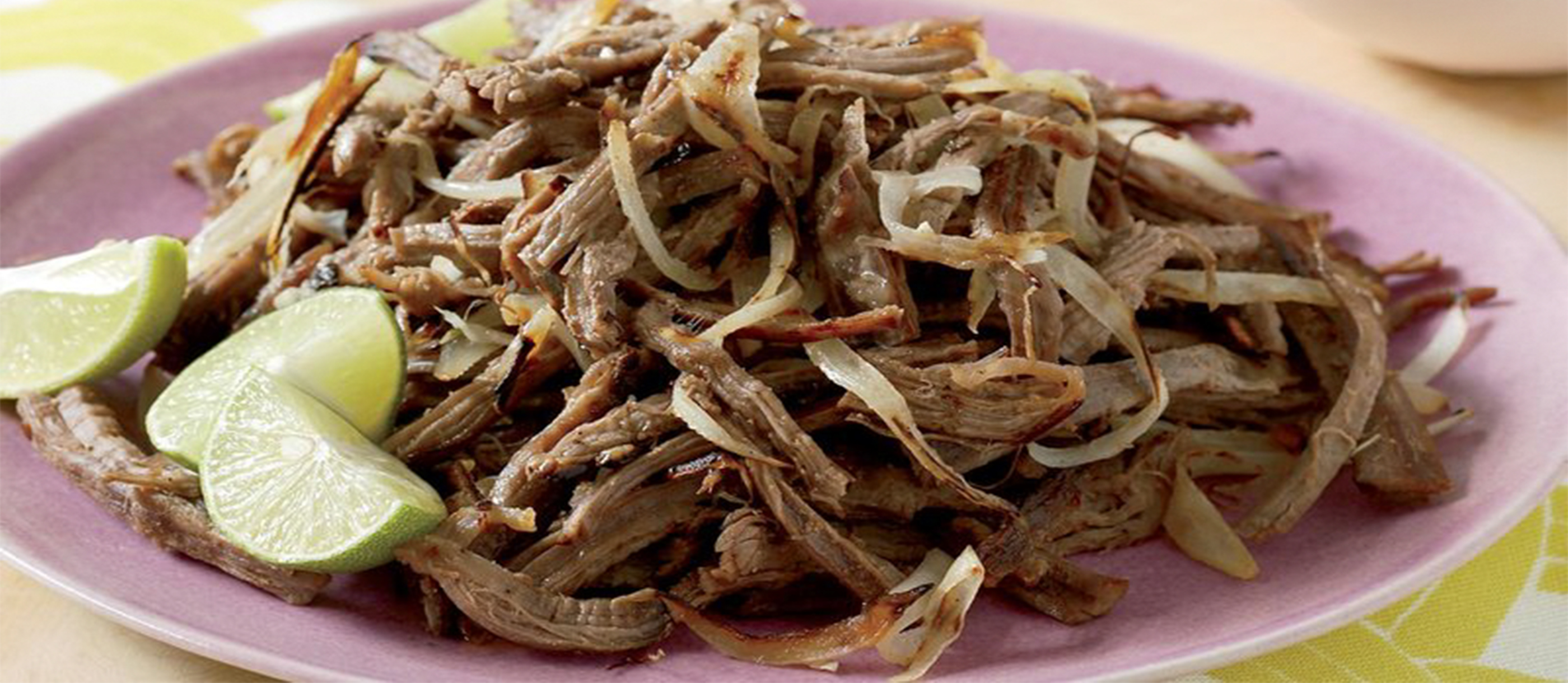
Vaca frita is a dish of tender, shredded beef seasoned with garlic and citrus, then pan-fried with onions until the meat develops crisp, deeply browned edges. Its name literally means “fried cow,” and the contrast between the beef's soft interior and crisp exterior is the dish's defining feature. Flank steak is one of the most common cuts used for vaca frita, although skirt steak, chuck, and other cuts suitable for slow cooking can also be used. The beef is first simmered gently in water until it becomes tender enough to pull apart easily. Onion, garlic, bay leaves and other aromatics may be added to the cooking liquid. The resulting broth can be reserved for soups, rice or other dishes rather than discarded. Once cool enough to handle, the beef is pulled into long, thin shreds. It is then seasoned with garlic, salt, black pepper and citrus juice. Sour orange, or naranja agria, suits the dish well because it combines acidity with a slightly bitter orange flavor. Where sour oranges are unavailable, a mixture of fresh orange and lime juice is commonly used. Some versions rely primarily on lime juice, and cumin or oregano may also be added. After a short rest in the seasoning, the beef is fried in a wide skillet with a small amount of oil. A large cooking surface is important because the meat needs direct contact with the pan to brown properly. If too much beef crowds the skillet, it steams instead of crisping. The meat is usually spread into an even layer and allowed to cook undisturbed until the underside becomes dark and crisp in places. It is then turned or stirred so that more of the shredded edges can brown. Thinly sliced onions are fried either with the beef or separately and added toward the end. They should soften and pick up some color while still remaining distinct from the meat. Garlic and additional lime or sour-orange juice can be added shortly before serving. A good vaca frita is not uniformly dry or crunchy. Some strands become deeply browned and crisp while others remain tender and juicy, giving the dish its characteristic mixture of textures. A final squeeze of lime is often added at the table to brighten the rich, browned beef. Vaca frita is commonly served with white rice and black beans, either separately or together as moros y cristianos. Fried ripe plantains, or maduros, are another popular accompaniment, as are boiled or fried yuca and a simple salad. These sides are common rather than mandatory, and the exact combination varies from household to household and restaurant to restaurant. The dish is part of Cuba's long tradition of preparing tougher cuts of beef by simmering them until tender and then using the cooked meat in another preparation. Its exact place and date of origin are not documented. The frequently repeated idea that vaca frita was invented by Cuban agricultural workers in the 19th century as a way of preserving meat with citrus is not established. Citrus gives the beef flavor and acidity, but it does not make the finished dish shelf-stable in a tropical climate. Vaca frita is sometimes compared with ropa vieja because both begin with cooked, shredded beef, but the finished dishes are quite different. Ropa vieja is simmered in a moist tomato-based sauce with peppers and onions. Meanwhile, vaca frita is fried until relatively dry and crisp, with garlic, citrus, and onions providing most of its flavor. Chicken can be prepared the same way in a dish commonly called vaca frita de pollo. Cooked chicken is shredded, seasoned with garlic and citrus, and fried until browned and crisp around the edges. Despite the name, it is a later variation rather than a form of beef vaca frita. Some versions of either dish also include sliced bell peppers, although onions are much more central to the classic preparation.
02 / MAIN DISH INGREDIENTS
03 / RECIPE
There is no recipe in the saved data.
Record ·