01 / IDENTITY
- Category
- Street Food
- Country
- Mexico
- Region
- not specified
ABOUT THE DISH
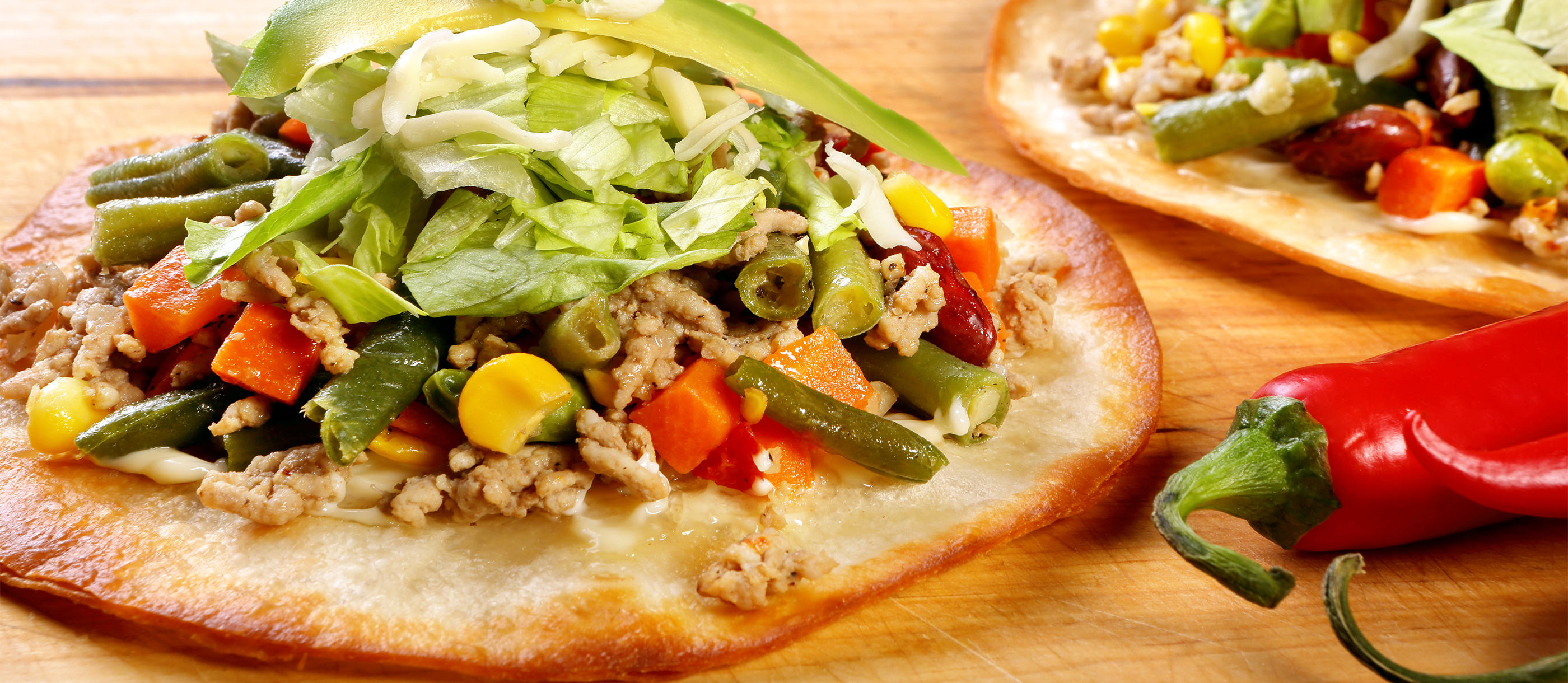
Tostada is a flat, crispy corn tortilla that has been deep-fried or baked, serving as a rigid, edible plate for an immense stack of savory ingredients. Crisping the tortilla requires careful moisture management; fresh, highly hydrated tortillas absorb too much oil and become chewy instead of crisp. Therefore, raw corn discs are deliberately dehydrated in the open air for several hours before being plunged into boiling vegetable oil or pork lard, ensuring that any remaining water violently bubbles away, leaving behind a perfectly rigid, golden-brown shell. When eaten, this brittle disk requires careful hand-held handling, taking small, strategic bites around the outer edges, as biting directly into the center immediately causes the entire structure to shatter. The architectural foundation of this meal relies entirely on a historical method of extending the life of stale maize. Thousands of years ago, across Mesoamerica, families recognized that tortillas left out for several days became too stiff to fold. Rather than discarding these dried remnants, they submerged them in hot fat or baked them on hot clay griddles, transforming the tough starch into a highly durable, crunchy, shelf-stable item. To create a tostada, a thick layer of mashed refried beans or smashed avocado is smeared across the flat surface, functioning specifically as an edible glue to anchor the subsequent layers. Piles of shredded chicken, slow-roasted pork carnitas, or spiced ground beef are pressed directly into the sticky bean paste. A massive canopy of crisp, shredded iceberg lettuce goes on top, followed by diced tomatoes, sharply acidic sliced radishes, and a heavy scattering of crumbled white cotija cheese. Heavy drizzles of tart sour cream and fiery red or green chili salsa finish the vertical stack. Because the heavy, moisture-laden toppings eventually soak into the crispy base, making it soggy, the loaded tortilla must be consumed immediately after assembly. Moving away from heavy beans and roasted meats, coastal environments completely alter the flavor profile by relying on fresh seafood. Raw fish cured in lime juice, chopped octopus, or boiled shrimp are piled onto the toasted maize, frequently swapping the heavy bean layer for a thin spread of mayonnaise to prevent the acidic citrus juices from instantly destroying the crunch. A highly specific variation known as tostadas de tinga stews shredded chicken breast and sliced white onions in a smoky chipotle and roasted tomato sauce, loading the wet mixture onto the shell to create a sweet, smoky, and spicy bite.
03 / RECIPE
A recipe was found and is awaiting download.