02 / MAIN DISH INGREDIENTS
not yet extracted
01 / ABOUT THE DISH
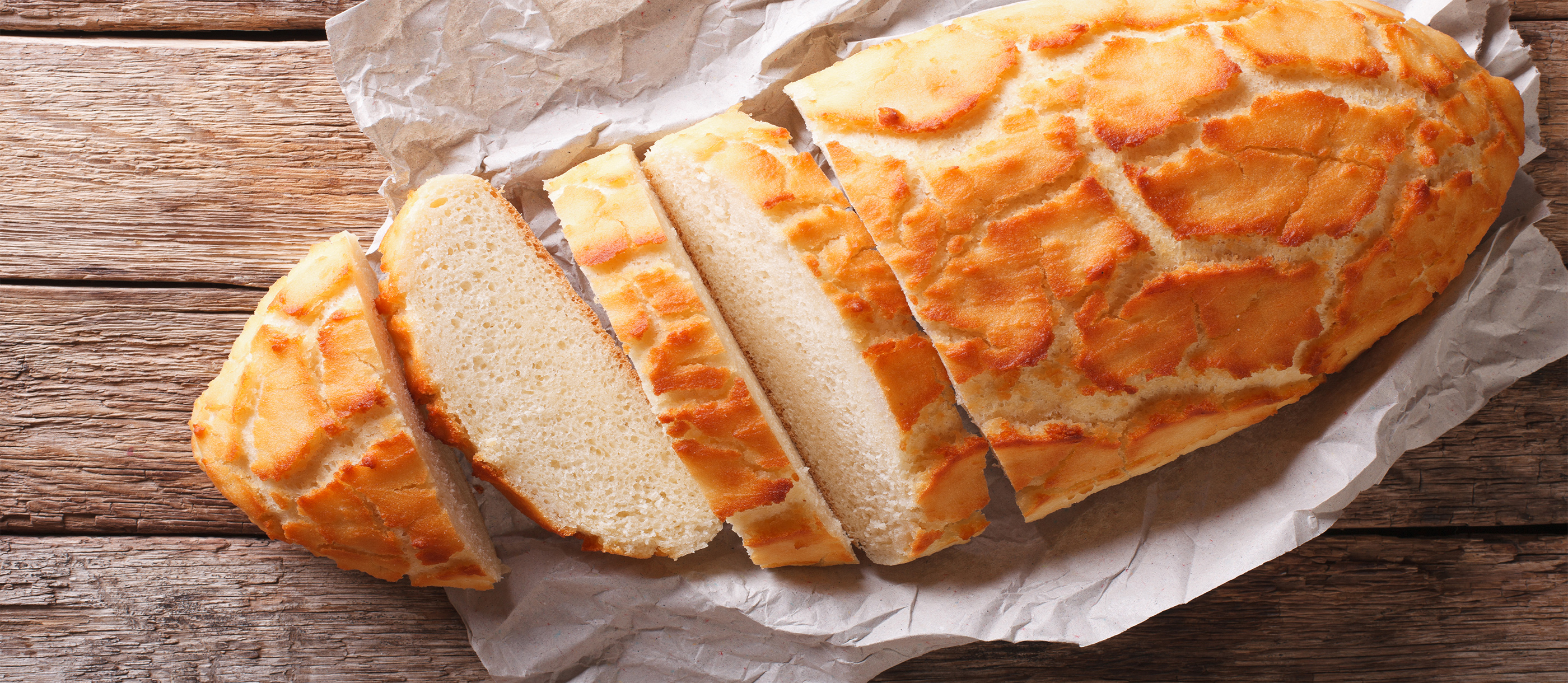
Tijgerbrood is a yeasted loaf or roll recognized by its crisp, mottled crust, created by spreading a rice-flour paste over the dough before baking. Beneath the brittle surface, the crumb remains soft and tender. The name means “tiger bread,” referring to the cracked pattern across the crust. The bread comes from the Netherlands, but its exact inventor and date of origin are unknown. Claims that it developed directly from 17th-century colonial trade with Indonesia are not supported by firm historical evidence. Rice and rice flour were already available in the Netherlands by the 19th century, but no documented source connects their arrival with the invention of tijgerbrood. A newspaper advertisement from Sommelsdijk in South Holland dated June 14, 1901, already offered tijgerbrood for sale, showing that the bread was established by the beginning of the 20th century. The bread later crossed the Atlantic. The earliest known printed reference to Dutch Crunch in the United States appeared in a bakery advertisement in Eugene, Oregon, in 1935. It eventually became especially popular around the San Francisco Bay Area, where Dutch Crunch developed into a standard bread for large deli sandwiches. Small rolls, baguette-shaped loaves, and sandwich rolls are more common there than the large sliced loaves often sold in the Netherlands. The bread is made with a standard yeasted dough made from strong wheat flour, water, yeast, salt, and often butter or another fat. Some formulas use milk for a softer, richer crumb. The defining feature is the separate topping applied after the loaf has risen. The topping combines rice flour, water, yeast, sugar, salt, and oil. Sesame oil is especially common and gives the finished crust a mild toasted, nutty aroma. The mixture should have the consistency of a thick batter or loose paste and is spread generously over the proofed dough shortly before baking. Rice flour contains no gluten, so the topping cannot expand as easily as the wheat dough underneath. In the oven, the loaf rises while the outer paste dries and sets. The expanding dough forces the coating to separate into irregular cracks and islands. Sugar and oil help the exposed surface brown, producing the characteristic dark golden pattern and crisp texture. The technique can also be applied to whole-wheat or rye-based doughs. These versions have a denser, earthier interior while retaining the brittle rice-flour coating. Changing the underlying flour affects the crumb and flavor but does not alter the basic mechanism that produces the cracked surface. Fresh tijgerbrood has a pronounced textural contrast: a dry, crisp, brittle crust over a soft interior. Thick slices and split rolls work particularly well for sandwiches because the crumb absorbs sauces and mayonnaise while the upper crust retains some crunch. Roasted meats, sliced cheese, cold cuts, vegetables, mayonnaise, and other substantial fillings all suit the bread. A simple serving consists of a fresh slice spread generously with butter and covered with hagelslag, or chocolate sprinkles. Warm tijgerbollen can also be torn apart and served alongside thick soups, stews, or meat gravy.
02 / MAIN DISH INGREDIENTS
not yet extracted
03 / RECIPE
There is no recipe in the saved data.
Record · 2880