02 / MAIN DISH INGREDIENTS
- Wheat Flour
- Yeast
- Sesame Seeds
- Nigella Seeds
- Vegetable Oil
- Lamb Fat
- Milk
- Salt
01 / ABOUT THE DISH
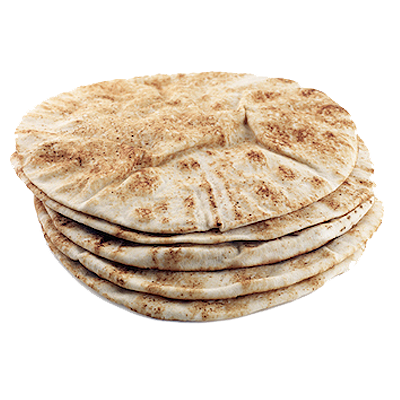
Tandyr nan is a circular leavened flatbread produced throughout Central Asia, most prominently in Kazakhstan, Kyrgyzstan, Uzbekistan, and Tajikistan. The product is defined by its thick, raised outer rim and a depressed, decorative center that is baked in a tandoor, a vertical cylindrical clay oven. Archaeological evidence suggests that the use of these clay ovens for grain-based food preparation began in the Bronze Age within the Indus Valley and expanded throughout the Silk Road corridors, eventually becoming a primary dietary staple in the arid steppe and mountain regions of the Eurasian interior. Preparation of tandyr nan involves a dough consisting of wheat flour, water, salt, and yeast, which is fermented until its volume increases. Once the dough is divided into portions, it is shaped into a disc by hand, and a specific tool called a chekich (a handheld stamp with metal pins) is used to puncture the center of the loaf. This perforation prevents the center of the bread from rising during the baking process, ensuring the loaf maintains its structural indentation. The baker attaches the dough to the preheated interior wall of the tandoor by slapping it against the ceramic surface, where it adheres and bakes via a combination of radiant heat and conduction. A technical attribute of tandyr nan is the addition of milk, vegetable oil, or lamb fat to the dough in certain regional variations to increase caloric density and improve shelf stability in dry climates. The surface of the bread is frequently brushed with water or milk and sprinkled with nigella or sesame seeds prior to baking to enhance flavor and texture. Tandyr nan is eaten as a primary accompaniment to every meal in Central Asian households and is rarely cut with a knife; instead, it is torn into pieces by hand as a gesture of respect for the food. It is commonly served alongside shurpa (meat broth), grilled shashlik (skewered meat), or palov (rice pilaf), and it is frequently consumed with hot green or black tea, often being dipped directly into the tea or served with bowls of kaymak (thick clotted cream) and local honey.
02 / MAIN DISH INGREDIENTS
03 / RECIPE
There is no recipe in the saved data.
Record · 12758