RECIPE / ONE REALIZATION

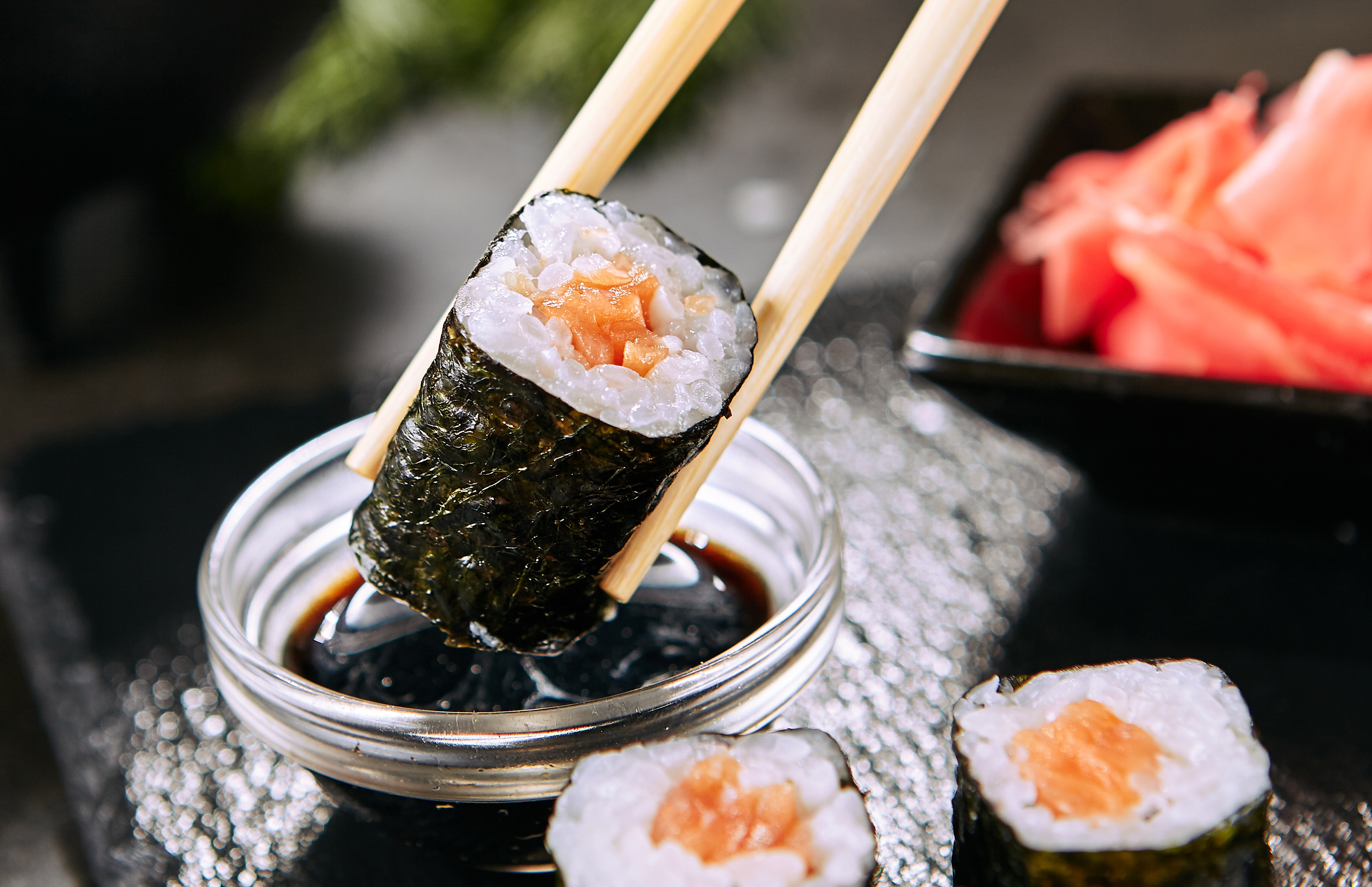
Hosomaki

The following recipe is adapted from the Just One Cookbook website ( www.justonecookbook.com ). One rice cooker cup is 180 ml. This recipe calls for 2 cups of uncooked rice (4 cups of cooked), which makes for 10 thin sushi rolls.

← Back to the dish overview
Hosomaki
Photo: shutterstock
Servings
10
Preparation
1 hr
Cooking
1 hr
Total
2 hr

RECIPE INGREDIENTS

  • SUSHI RICE
  • 2 rice cooker cups Japanese short grain rice
  • 2-inch (5 cm) kombu (dried kelp)
  • 4 tbsp rice vinegar
  • 2 tbsp sugar
  • 1 tsp salt (kosher or sea salt; use half if using table salt)
  • Water
  • HOSOMAKI
  • 1 Persian/Japanese cucumber
  • 6.8 oz (190g) sashimi-grade tuna
  • 1 box natto (fermented soybean)
  • 5 sheets nori (seaweed)
  • soy sauce
  • wasabi (optional)
  • sushi ginger (optional)
  • TEZU (VINEGARED HAND-DIPPING WATER)
  • ¼ cup (60 ml) water
  • 1 tbsp rice vinegar

METHOD

  1. 01

    Rinse the rice several times to extract as much starch as possible, then soak it in water for at least half an hour. Use a wet cloth to softly wipe the kombu, making sure not to remove the white powdery material on the surface.

  2. 02

    Cook the rice in a rice cooker, adding the amount of water required (look for the marks on your machine). If you are cooking the rice in a covered pot, you will need just over half a liter of water. Throw in some dried kelp for extra flavor.

  3. 03

    Mix rice vinegar, salt, and sugar in a small pan and bring to a boil over a medium-high flame, stirring until the sugar dissolves. Leave to cool.

  4. 04

    Transfer the cooked rice into a dampened flat-bottomed dish, add the sushi vinegar, and mix lightly. Place a wet cloth over the dish and set aside.

  5. 05

    To make hosomaki, cut both ends of the cucumber, then cut it lengthwise in half and repeat the process 2 more times, removing the seeds – you should end up with 8 strips.

  6. 06

    After slicing the tuna into ¼ - ½ " pieces, cut those pieces into ¼ - ½ " thick long strips.

  7. 07

    Season natto with some soy sauce or the seasoning included in the package, then mix until gooey.

  8. 08

    In a small bowl, combine ¼ cup (60 ml) water and 1 tablespoon rice vinegar. Dipping your hands into this vinegared water stops the rice from sticking.

  9. 09

    Halve the longer side of the rectangular seaweed. Shiny side down, place the half sheet on the bamboo sushi mat, the longer side of the sheet parallel with the side of the mat nearest to you. Leave 3-4 slats visible on this nearest side.

  10. 10

    Moisten the measuring cup with vinegared water and scoop a mere ½ cup into your wet hand. After placing the rice on the left-center of the nori sheet, spread it across, leaving a 1" (2.5 cm) space along the top edge. Next, place one filling in the middle of the rice and, holding it down with your fingers, roll the sushi over the filling, landing at the edge of the rice layer. Lightly shape and tighten the roll through the mat. After removing the mat, roll the sushi once more to seal the edge of the seaweed.

  11. 11

    Cut the roll into 6 parts, moistening the knife with a damp cloth perpetually. Serve with condiments.
OTHER REALIZATIONS

2 other variations

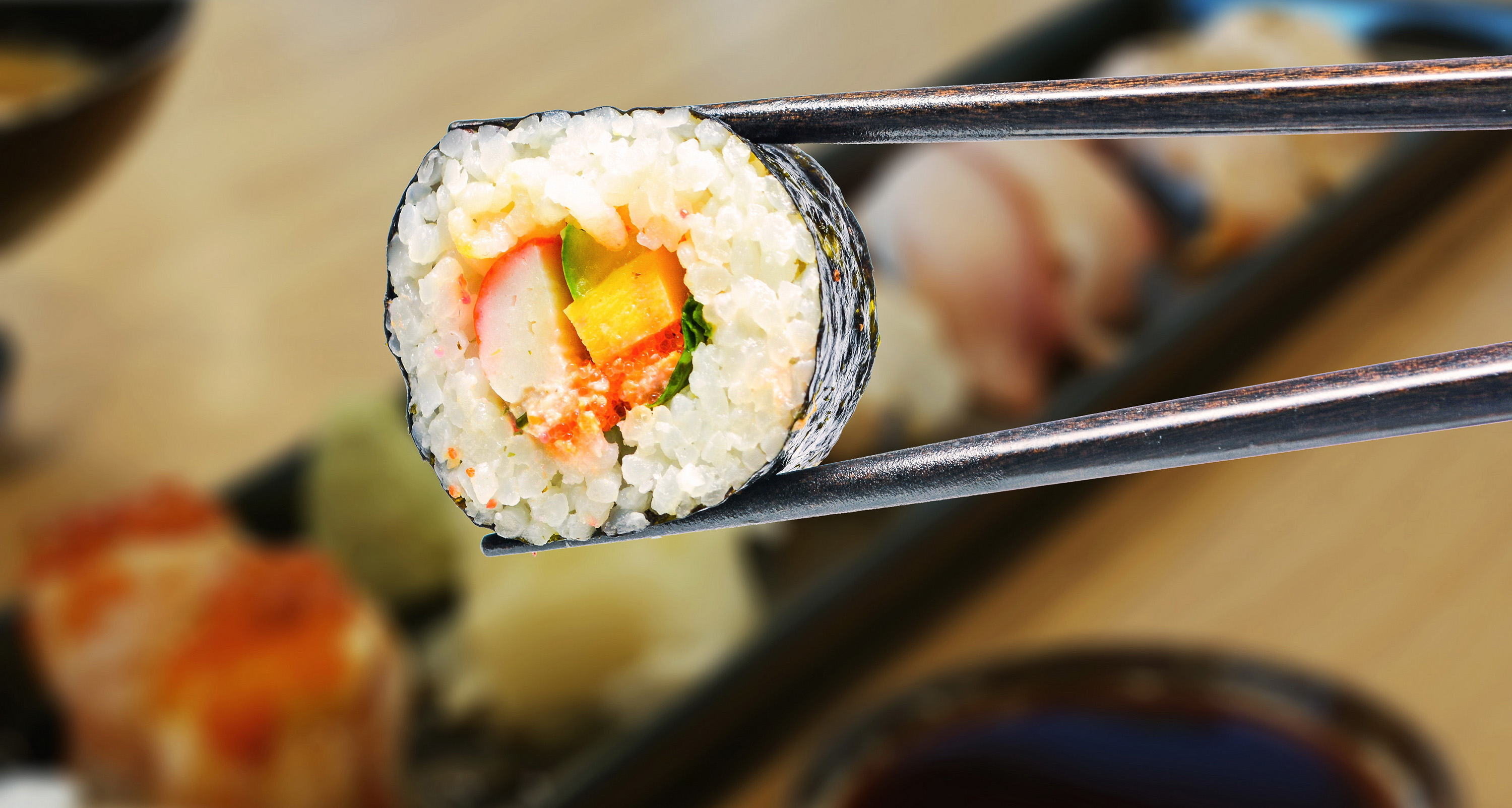
Futomaki

2 hr 45 min

The following recipe is adapted from the Just one cookbook website ( www.justonecookbook.com ). Make the seasoned shiitake, kanpyo, and tamagoyaki a day ahead to save time. In the absence of a traditional Japanese rectangular frying pan, use a regular round pan.

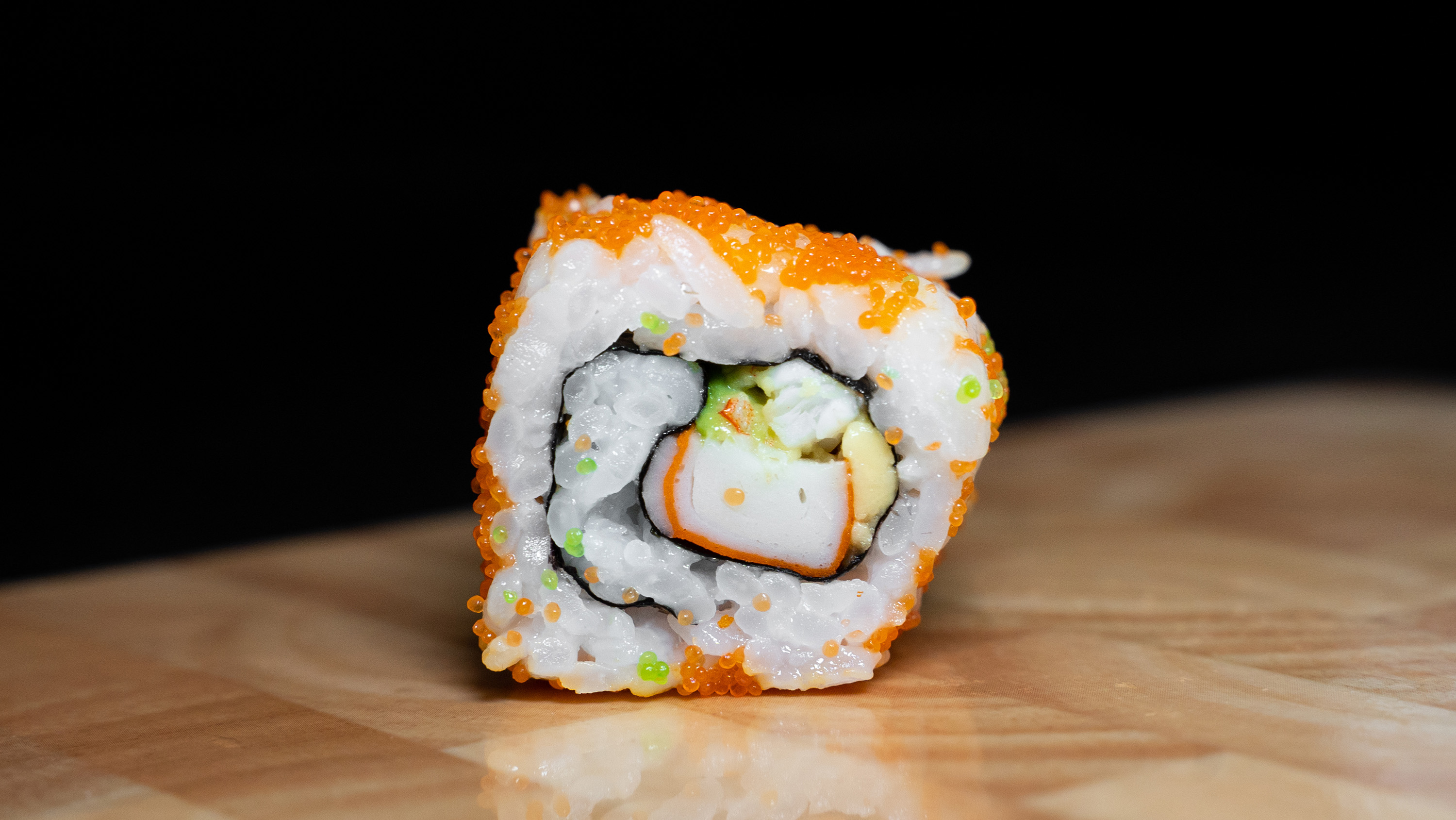
Surimi Uramaki

35 min

This next recipe for uramaki or California roll is adapted from the book Sushi written by Szwillus, Mitani and Borisolli.

USEFUL NOTES

What to pay attention to

01

EQUIPMENT

If you don´t own a makisu (bamboo sushi mat), try using a placemat or a thick, hard-textured kitchen towel. A flat, unvarnished wooden tub called hangiri is perfect for rice cooling since the excess moisture is absorbed by the wood. In the absence of hangiri, opt for a flat-bottomed nonmetallic bowl or a pan, such as an unfinished wooden salad bowl or a stoneware bowl. Don´t use any metal dishes or utensils since they can interact with the vinegar or damage the rice. Instead, use a broad, wooden rice paddle for mixing the vinegar with the hot rice. In a traditional makizushi preparation process, handheld paper fans are used for cooling the rice while combining it with vinegar, thus providing a shiny finish to the rice.

02

SUSHI RICE

For preparing makizushi, use short-grain Japanese rice, which becomes slightly sticky after cooking. If sushi rice isn´t available to you, try substituting it with round grain rice. Rinse the rice several times to extract as much starch as possible, then soak it in water for at least half an hour. Cook the rice in an electric rice cooker or a covered pot. Try throwing in some dried kelp (kombu) for additional flavor. The texture of properly cooked rice should be sticky and feathery, but solid. A glossy polish should be visible on each grain of the freshly cooked rice. If the rice turns out mushy, it might be overcooked.

03

FILLINGS

A whole variety of foods can be used as a filling when preparing makizushi. Make sure to use only sashimi/sushi-grade fish, since for both culinary and sanitary reasons, fish, which is eaten raw, needs to be of superior freshness and quality in comparison to the fish which is cooked.

04

METHOD

Place the fillings next to each other instead of layering them on top of each other. The rice needs to be at room temperature when rolling the sushi – cold rice will fall apart, whereas hot rice can cause the nori to curl. Some suggest wrapping the bamboo mat in transparent cling film before rolling to ensure easier cleaning afterward. When cutting the rolls, wet a sharp knife with a damp cloth before each cut to diminish the possibility of squishing the pieces.

05

SERVING

Sushi is usually served with some wasabi, soy sauce, and pickled ginger, traditionally eaten between the courses because it cleanses the palate and helps with digestion. For an authentic look, serve the sushi pieces on minimalist wood or lacquer plates.