02 / MAIN DISH INGREDIENTS
- Barley Flour
- Oatmeal
- rye flour
- Sheep's Milk
- Butter
- Blackberries
- Blueberries
- Raisins
- Currants
- Caraway
- Cinnamon
- Honey
- Eggs
01 / ABOUT THE DISH
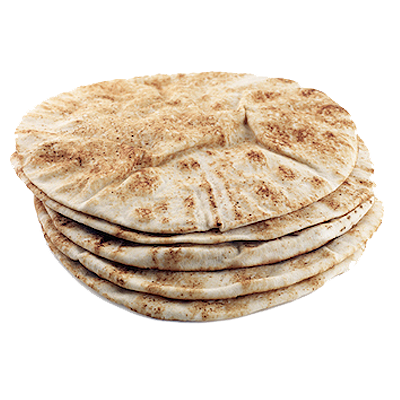
St. Michael’s bannock (or struan Micheil in Scottish Gaelic) is an ancient, profoundly symbolic Scottish flatbread historically baked at the very end of September to celebrate the Feast of St. Michael the Archangel, marking both the conclusion of the harvest season and a crucial moment of spiritual protection before the descent into the harsh Highland winter. It is an incredibly dense, rustic, and complex bake whose every ingredient and preparation step is steeped in centuries of Celtic agrarian folklore and religious ritual. The architecture of the bannock relies on a heavy, unleavened base constructed entirely from the first milled grains of the autumn harvest—typically a rugged blend of bere (an ancient barley), hardy oats, and rough rye flour. Because the feast of Michaelmas (September 29th) was a time of immense celebration and debt settlement, this plain grain base was heavily enriched to reflect the year's agricultural bounty. Historical records from the Hebrides show that the dough was moistened not just with water, but with fresh sheep’s milk, and intensely sweetened with wild honey or molasses. But the true soul of the St. Michael’s bannock lies in the sheer volume of fruit it contains. Before shaping, the dense dough is aggressively packed with wild berries forged from the fading moors—blackberries and wild blueberries—alongside imported dried fruits like raisins and currants, all bound together by a generous splash of warm spices like caraway and cinnamon. The preparation of the St. Michael’s Bannock was traditionally entirely the domain of the eldest daughter of the household. It was baked on a hot griddle stone over a peat fire, and the dough had to be turned exactly on a sheepskin, reflecting the deeply intertwined nature of faith, livestock, and survival in the Scottish Isles. Once baked to a hard, darkened crust with a chewy, fruit-laden interior, the bannock was never simply eaten, but ceremonially broken. The head of the household would cut the massive flatbread into distinct wedges and distribute them to every family member, servant, and even strangers passing by the croft, while chanting a specific blessing to St. Michael, asking for his shield against illness and the winter storms to come.
02 / MAIN DISH INGREDIENTS
03 / RECIPE
There is no recipe in the saved data.
Record · 12881