01 / IDENTITY
- Category
- Bread
- Country
- Iraq
- Region
- not specified
ABOUT THE DISH
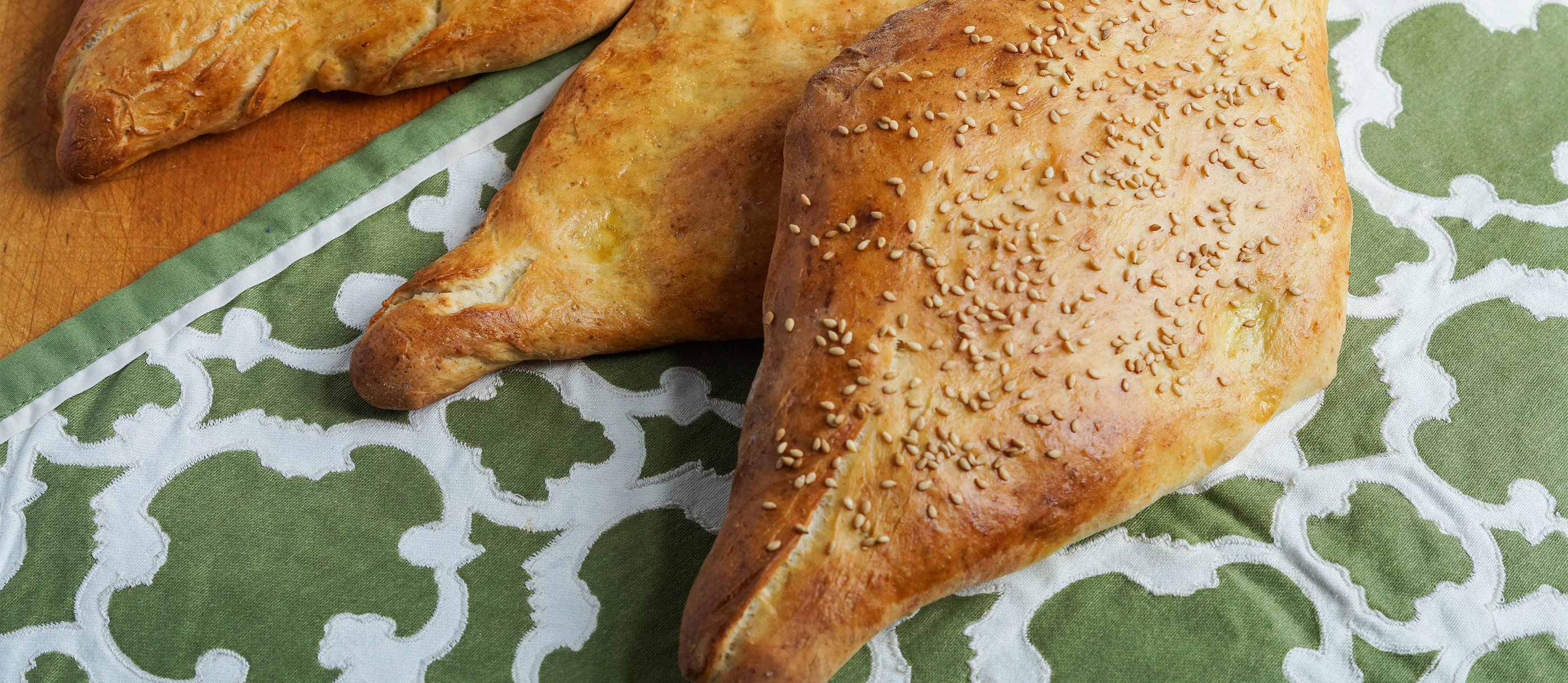
Samoon is a type of bread that comes from Iraq and is considered one of the staples of the country’s cuisine. It is distinct for its diamond or oval shape, slightly pointed at both ends, and for its airy yet chewy interior. The crust is usually golden and lightly crisp, making it versatile for both simple meals and elaborate feasts. Over time, samoon has become emblematic of Iraqi bakeries and is now also baked and enjoyed across other Middle Eastern communities. Its roots can be traced back to the Ottoman era when influences from Turkish and Levantine bread-making spread into Mesopotamia. The unique shaping technique and preference for slightly firmer dough gave samoon its characteristic structure, which set it apart from flatter breads like khubz or pita. For decades, Iraqi bakeries perfected the balance of texture and baking temperature, often using stone ovens that imparted both flavor and resilience to the crust. Samoon became associated not only with daily meals but also with the sense of neighborhood life, as bakeries were central gathering points in towns and cities. Preparation involves flour, yeast, water, salt, and sometimes a touch of sugar or oil to enrich the dough. After kneading and rising, the dough is divided into portions, each carefully shaped by hand into the signature elongated diamond. The loaves are baked in very hot ovens, often directly on stones or special trays, which give them both volume and a slightly blistered surface. They are served warm, usually fresh from the oven, as this highlights both the crust and the pillowy inside. It pairs beautifully with grilled meats, kebabs, and stews such as quzi or masgouf, but it is just as often split and filled like a sandwich with falafel, eggs, or cheese. It is also common at breakfast tables, served with spreads like labneh, honey, or jams.
03 / RECIPE
A recipe for this dish has not been added yet.