01 / IDENTITY
- Category
- Cake
- Country
- not specified
- Region
- United Kingdom
ABOUT THE DISH
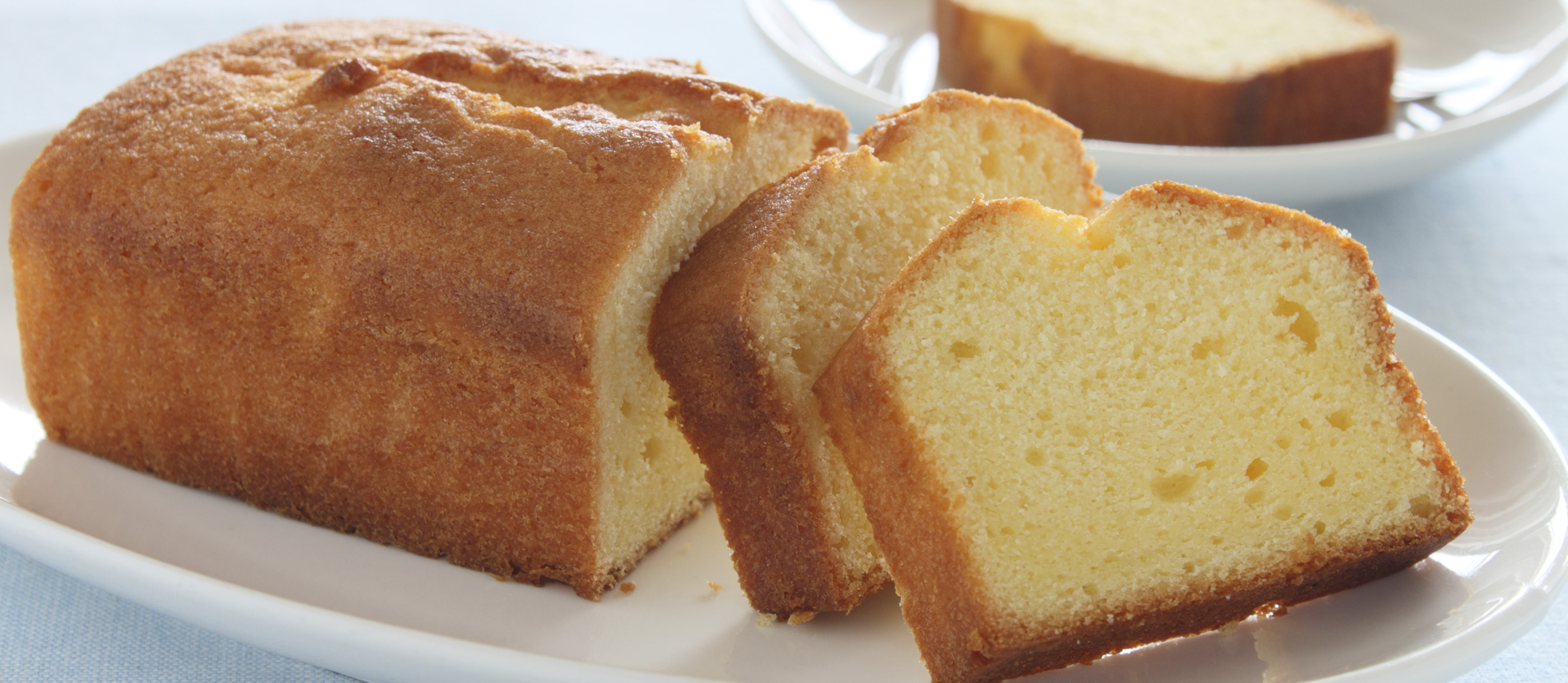
Pound cake is a dense, rich dessert originally formulated using exactly one pound each of four primary ingredients: flour, butter, eggs, and sugar. The earliest written documentation of this exact ratio appeared in 1747 in the English book The Art of Cookery by Hannah Glasse, and later crossed the Atlantic to appear in American Cookery, the first domestic recipe book published in the United States in 1796. The foundational recipe evolved significantly over the nineteenth century, most notably when author Eliza Leslie introduced a modified version in 1851 that incorporated ten beaten eggs, wine, brandy, rose water, and fresh citrus juice, fundamentally altering the flavor profile. During the same era, substituting a portion of the wheat flour with dried cornmeal gave rise to the Indian pound cake, a variation introduced in 1828 that later became highly valued in Ireland as a cheap alternative to expensive grains. The standard batter requires robust all-purpose flour, as lighter cake flours simply lack the structural strength to support the massive weight of the ingredients. To produce the loaf, equal weights of the fats and sugars are thoroughly creamed together before the eggs and flour are gently folded in, forming a thick paste that is poured into a rectangular loaf pan or a circular bundt mold. While historical iterations relied exclusively on egg aeration for lift, modern formulas often incorporate baking soda or baking powder to make the dense dough rise in the hot oven. Substituting vegetable oil for dairy butter or adding heavy dollops of sour cream heavily increases the internal moisture and introduces a sharp, tangy undertone. Once fully baked and cooled, the heavy loaf is typically sliced and served cold or slightly warmed, often dusted with powdered sugar, coated in a sugary glaze, or smothered with whipped cream and fresh fruit. Beyond the standard recipe, numerous global adaptations exist under different names. In France, the item is called quatre-quarts, translating directly to four quarters, perfectly reflecting the equal ingredient weights. French-speaking Caribbean territories modify this baseline by mashing overripe bananas directly into the batter or adding dark rum for holiday celebrations, occasionally whipping the egg whites separately to achieve a lighter crumb. In Mexico, the sweet loaf is called panqué, with popular variations that heavily incorporate crushed walnuts or dried raisins into the mix. Further south in Colombia, a phonetic translation created the ponqué, which involves drenching the baked sponge in sweet wine and coating it with heavy cream, serving as a mandatory centerpiece at weddings and birthdays. Across Germany, the foundational equal-part batter translates to Rührkuchen, or stirred cake, serving as a base cake that is heavily augmented with nuts, cocoa, or dried fruits to bake items like the marble-patterned Marmorkuchen or the Easter lamb cake. Another distinct offshoot is the British cherry cake, where bright red glacé cherries are evenly suspended throughout a Madeira sponge, using candied fruit because the heavy moisture of fresh cherries would immediately sink to the bottom and ruin the internal structure.
03 / RECIPE
A recipe was found and is awaiting download.