02 / MAIN DISH INGREDIENTS
- Chicken
- Cashews
- Bell Pepper
- Green Peas
- Tomato Paste
- Scallions
- Celery
- Onion
- Garlic
- Scotch Bonnet pepper
- Cloves
- Thyme
- Parsley
- Vegetable Oil
- Lemon Juice
- White Wine Vinegar
- Olive Oil
- Salt
01 / ABOUT THE DISH
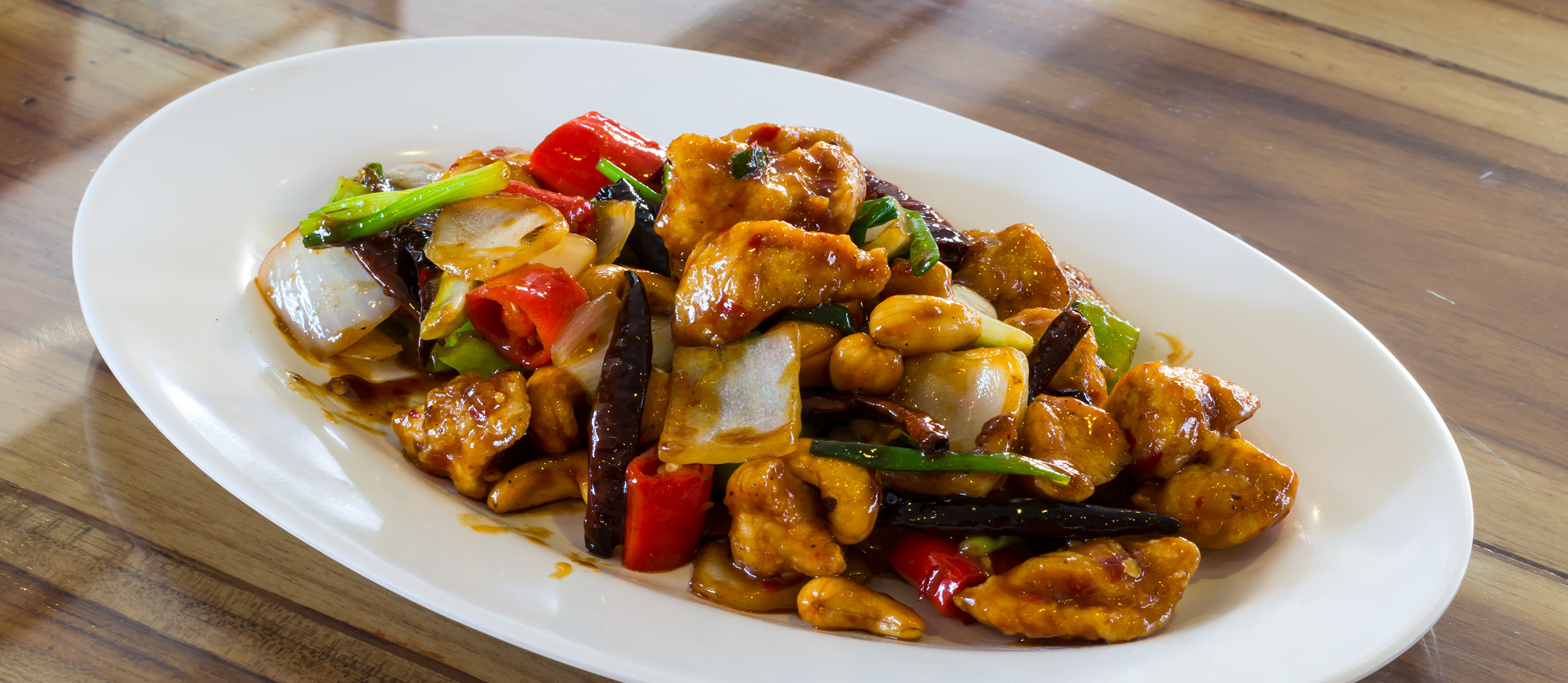
Poulet aux noix, known in Haitian Creole as poul ak nwa, is a rich chicken-and-cashew stew from northern Haiti, particularly associated with Cap-Haïtien. Bone-in chicken is seasoned with epis, browned, and slowly cooked in a tomato-based sauce with cashews, peppers, onions, herbs, and often a whole Scotch bonnet chile. The cashews soften as they cook, giving the sauce a distinctive nutty richness. The food is one of the best-known regional specialties of northern Haiti, where cashew trees are especially abundant. It is commonly prepared for Sunday meals, family gatherings, and special occasions rather than being limited to everyday cooking. Its precise date of origin is not documented, and there is no established evidence connecting it to a particular colonial-period agricultural expansion around Cap-Haïtien. The defining combination is chicken and cashews. The chicken is usually cut into large bone-in pieces, particularly legs, thighs, or quarters. Older or firmer birds can also be used and require a longer simmer to become tender. Before cooking, the chicken is seasoned generously with epis, the Haitian aromatic mixture built around garlic, scallions, parsley, thyme, peppers, and other herbs. Lime or sour orange juice, vinegar, oil, cloves, and hot chiles may also be included, with the exact mixture varying from household to household. The chicken is commonly rubbed with citrus as part of the seasoning process before being left to absorb the epis. The chicken can be browned directly after marinating. Still, another characteristic Haitian method reverses the order: the seasoned meat is first simmered in its own juices until nearly tender, then removed and browned in oil. This gives the meat both a well-seasoned interior and a darker exterior before it returns to the sauce. Tomato paste forms much of the sauce base. It is cooked briefly in the same pot until it darkens slightly and loses its raw flavor. Fresh tomatoes can also be added, along with some of the reserved chicken liquid, water, or chicken stock. The finished sauce is rich and reddish brown but remains loose enough to coat the chicken rather than becoming a heavy paste. The cashews are especially important to the texture. Unsalted, unroasted cashews are often simmered separately in water for about 45 to 60 minutes, until tender enough to crumble when pressed yet still hold their shape. They are then drained and added to the chicken sauce. Other versions cook the cashews directly in the stew. Another method uses toasted cashew halves together with finely ground cashews. The ground nuts dissolve into the broth, making the sauce smoother and slightly thicker, while the larger pieces provide a firmer texture. This produces a more cashew-rich sauce. A whole Scotch bonnet or habanero can be simmered in the pot to perfume the sauce without making it overwhelmingly hot. Keeping the pepper intact gives the stew its aroma and a controlled amount of heat; breaking it open releases considerably more capsaicin into the sauce. Whole cloves are another characteristic seasoning. Thyme, parsley, garlic, black pepper, onion, and bell pepper reinforce the epis and give the sauce its strongly aromatic character. Onion and bell pepper are sometimes added near the end so they soften while retaining some texture. The chicken is simmered until very tender and, in longer-cooked versions, begins to pull easily away from the bone. The cashews should be soft and buttery but do not need to disintegrate completely. The sauce gradually concentrates around both ingredients, carrying the tomato, chicken juices, epis, and cashew flavor. Potatoes and carrots can be added in household adaptations, but they are not defining ingredients of classic poul ak nwa. The recognizable northern Haitian form centers much more clearly on chicken, cashews, tomato, epis, onion, peppers, and aromatic seasonings. Chicken is also essential to the identity of the dish. Beef can be cooked with cashews using a similar technique, but it produces a separate cashew-and-meat stew rather than the standard poul ak nwa. Poulet aux noix is most characteristically served with rice. Diri ak djon djon, the dark Haitian rice flavored with djon djon mushrooms, is a particularly recognizable pairing that connects two foods strongly associated with northern Haiti. White rice, rice and beans, pigeon-pea rice, and other Haitian rice dishes are also served with it. Boiled plantains are another established accompaniment, providing a mild starch for the concentrated chicken-and-cashew sauce. Avocado and pikliz, the sharp Haitian mixture of pickled cabbage, carrots, onions, and hot peppers, can also be served alongside. Fried plantains may appear, but they are not an obligatory accompaniment.
02 / MAIN DISH INGREDIENTS
03 / RECIPE
There is no recipe in the saved data.
Record · 3981