02 / MAIN DISH INGREDIENTS
- Beef
01 / ABOUT THE DISH
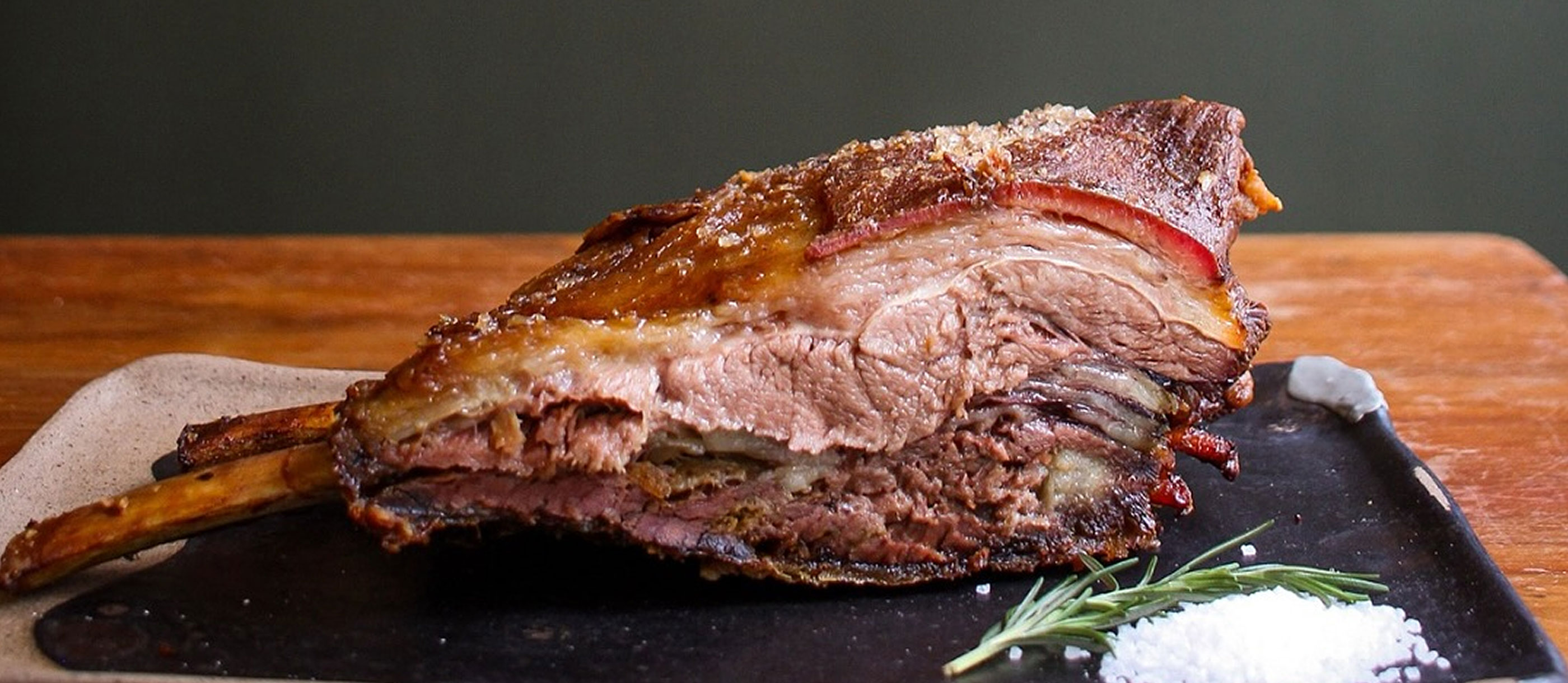
Ponta de agulha is a specific cut of beef in Brazilian butchery that corresponds to the lower portion of the rib cage, specifically the floating ribs and the surrounding muscles. It is situated at the extremity of the rib section, bordering the flank and the navel. This cut is characterized by a high concentration of intramuscular fat and connective tissue, which yields a prominent marbling and a rich, beefy flavor. Unlike the leaner muscle groups of the hindquarter, ponta de agulha consists of alternating layers of meat and fat attached to the bone, providing a distinct gelatinous texture once the collagen breaks down. The identification of this cut is rooted in the history of large-scale cattle ranching in the South American Pampas, particularly within the gaucho culture of southern Brazil. While the anatomy of the animal remains constant, the specific breakdown of the rib section into ponta de agulha is a direct result of Brazilian carcass fabrication techniques developed in the 19th and early 20th centuries. During this period, the rib cage was often divided into three primary sections: the ripa (top part), the asado de tira (cross-cut ribs), and the ponta de agulha (the bottom "needle point"). The name itself refers to the thin, pointed shape of the last ribs in the section. Preparation is centered on slow-cooking methods to accommodate the tough connective tissue. In the context of Brazilian barbecue, known as churrasco, the meat is typically seasoned only with coarse rock salt and placed on long metal skewers. It is cooked over indirect heat from charcoal or wood embers for several hours, often with the bone side facing the heat source first to act as a thermal shield. This extended exposure to low heat allows the fat to render and baste the meat internally. Outside of the grill, the cut is frequently used in long-simmered stews or oven roasts where the liquid environment facilitates the softening of the fibers. It is served by slicing the meat across the grain into thick pieces or pulling it away from the bone. A physical trait of ponta de agulha is its high ratio of bone to meat, which contributes a deeper savory profile to the surrounding tissues during the cooking process. It is one of the few cuts that retains its structural integrity over very long cooking times, making it a primary ingredient for dishes that require multiple hours of heat. Because it contains both lean meat and substantial fat caps, the cooked product offers a varied mouthfeel in a single serving. It is frequently accompanied by farofa (toasted cassava flour), which absorbs the rendered juices, and a fresh tomato and onion vinaigrette to provide acidity against the high fat content. Common beverage pairings include full-bodied red wines with high tannin levels, such as Tannat or Cabernet Sauvignon, which help cleanse the palate. It is also paired with cold lager or pilsner beers to balance the richness of the grilled fat.
02 / MAIN DISH INGREDIENTS
03 / RECIPE
There is no recipe in the saved data.
Record ·