02 / MAIN DISH INGREDIENTS
- Sardella
- Wheat Flour
- Yeast
- Olive Oil
- Salt
01 / ABOUT THE DISH
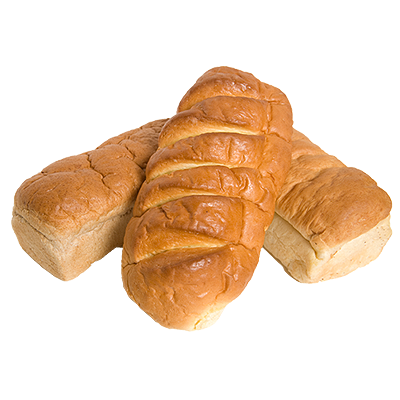
Pitta cu’ sardella is a rustic stuffed bread from the Calabria region of Italy. It consists of a soft, yeast-leavened wheat dough that is rolled and filled with sardella, a potent, spicy paste made from small fish (often colloquially called "Calabrian caviar") and chili peppers. The pastry is characterized by its spiral structure, offering a soft, pillowy interior with golden, crisp edges. The flavor profile is intense and savory, defined by a sharp kick of chili heat, distinct salinity from the fish, and aromatic notes of wild fennel and olive oil. The bread originated in the region’s coastal fishing towns as a method to utilize and preserve the catch of small pelagic fish. By transforming these perishable ingredients into a concentrated, shelf-stable condiment, communities created a flavor-dense food source. The bread format evolved as a practical, high-energy meal for laborers, encasing the strong flavors in a portable dough that could be eaten during long workdays. A pliable dough is first made from flour, water, yeast, and oil. Once rested, the dough is rolled out into a thin sheet and slathered generously with the sardella mixture. The sheet is rolled up into a long log to enclose the filling, then sliced into rounds or "rosettes." These spirals are packed tightly into a baking pan. During baking, the buns expand and merge, creating a pull-apart loaf. Recipes often vary in the amount of enrichment, with some bakers adding lard or extra olive oil to achieve a softer crumb. Some versions incorporate a bit of tomato sauce to temper the chilies' heat. Due to modern fishing regulations regarding the specific whitebait historically used for sardella, contemporary adaptations often substitute permitted fish species or use vegetable-based alternatives that replicate the texture and spicy, savory seasoning of the original condiment. Pitta cu’ sardella is typically enjoyed warm or at room temperature, making it a popular street food or snack. It is usually pulled apart or cut into wedges and eaten by hand. Because of the filling's aggressive spice and saltiness, it requires a beverage with backbone; it pairs best with robust red wines or dry, mineral-forward white wines that can withstand the intense flavors.
02 / MAIN DISH INGREDIENTS
03 / RECIPE
There is no recipe in the saved data.
Record · 12545