01 / IDENTITY
- Category
- Porridge
- Country
- England
- Region
- Northumberland
ABOUT THE DISH
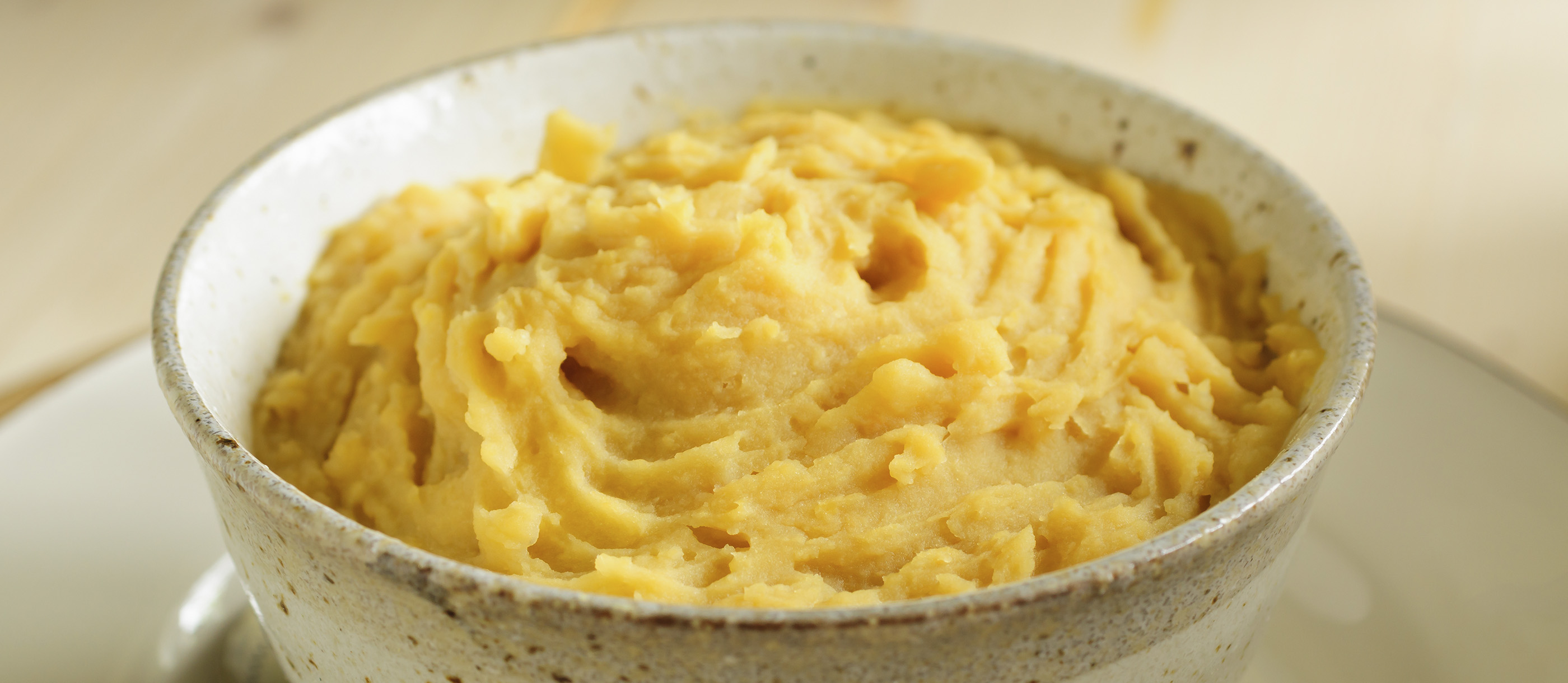
Pease pudding is a thick, savory pudding made by slowly boiling dried yellow split peas until they collapse into a smooth, spreadable puree. The roots of pease pudding trace directly back to the Middle Ages across England. The spelling itself survives as a holdover from Middle English, where "pease" functioned as a mass noun similar to wheat or sand, centuries before the singular word "pea" was adopted. Before the widespread farming of potatoes, agricultural communities relied heavily on dried pulses to survive harsh winters. Boiling these dried legumes over an open hearth provided a cheap, calorie-dense meal that lasted for days in the pot, a practice famously immortalized in the 18th-century nursery rhyme about pease porridge sitting in the pot nine days old. During the Industrial Revolution, the heavy pudding became the daily lunch for coal miners and shipyard workers across North East England, supplying massive amounts of cheap energy for grueling physical labor. Preparation begins by soaking dried yellow split peas overnight in cold water. The split peas, once drained, are dropped into a large pot of aggressively simmering liquid. To build a robust flavor profile, this boiling liquid is usually the heavily salted, smoky broth left over from boiling a large ham hock or a joint of cured bacon. Chopped white onions, whole carrots, bay leaves, and sprigs of fresh thyme go into the pot alongside the peas. The mixture bubbles on the stove for several hours until the legumes completely disintegrate. Once the liquid reduces, the remaining solids are mashed into a thick, uniform paste, stirring in a generous knob of butter and a heavy pinch of white pepper. Altering the texture and richness is common, depending on household preferences. Some kitchens scoop the thick puree into a muslin cloth, tie it shut tightly, and boil the bundle right next to a simmering joint of meat to create a firm, sliceable loaf. Other versions involve whisking a raw egg into the cooled paste and baking it until a golden crust forms on top. Swapping the yellow split peas for green ones drastically changes the familiar pale yellow appearance to a muted green. You eat this paste either steaming hot or completely chilled. Served warm, a massive scoop makes a hearty side, resting right next to thick slabs of boiled bacon, roasted ham, or plump pork sausages. When chilled, the paste solidifies into a firm, savory spread. In the northeastern regions of England, it serves as the foundation for a massive sandwich on a soft, round flatbread known as a stottie cake. Today, it is even available in cans throughout the United Kingdom.
03 / RECIPE
A recipe for this dish has not been added yet.