02 / MAIN DISH INGREDIENTS
- Almonds
- Hazelnuts
- Eggs
- Sugar
- Butter
- Milk
- Corn Starch
- Powdered Sugar
01 / ABOUT THE DISH
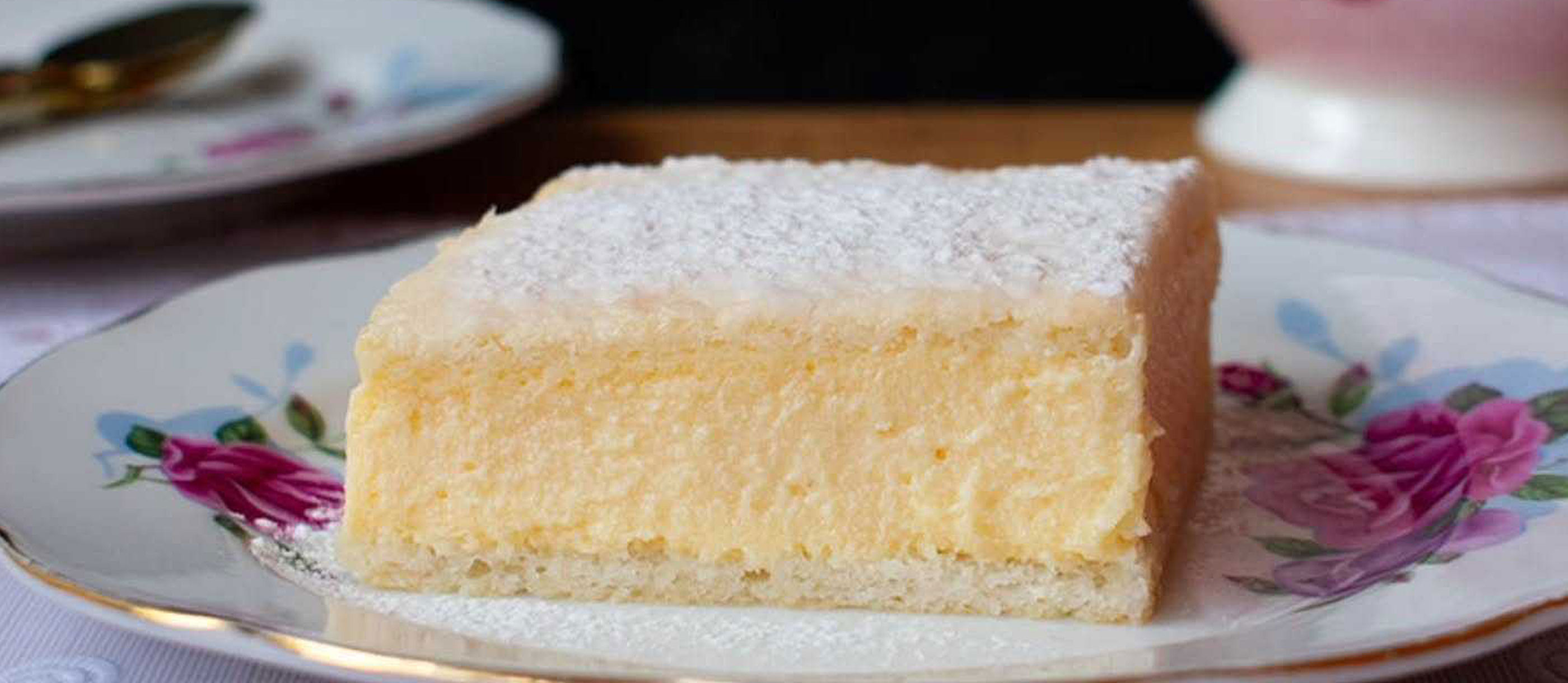
Pastel ruso is a delicate layered dessert from the city of Huesca in the region of Aragón, Spain, known for its combination of nut-based meringue and rich buttercream. It is one of the city's most iconic sweets and a source of local pride, widely associated with artisanal pastry-making and often featured at celebrations, family gatherings, and special occasions. Despite its name, it is a firmly Spanish creation, deeply rooted in the pastry traditions of northern Aragón and closely linked to the city's most renowned bakeries. Its origins date back to the early twentieth century, when pastry chefs in Huesca began experimenting with French and Central European confectionery techniques that were gaining popularity across Europe. The name "pastel ruso" is thought to be a reference to the fascination with Russian-style confections and imperial cuisine fashionable at the time, even though the dessert itself was created locally. Over time, it became a signature specialty of the city, particularly associated with the renowned Pastelería Ascaso, which perfected the recipe and helped cement its reputation beyond regional borders. The dessert consists of alternating layers of almond and hazelnut dacquoise — a light, airy meringue enriched with ground nuts — and a smooth, rich praline buttercream. The dacquoise is made by whipping egg whites with sugar until stiff, then folding in finely ground nuts and baking the mixture into thin, crisp yet tender layers. The buttercream is prepared by combining sugar syrup with whipped egg yolks and butter, often flavored with praline paste to add depth and nutty sweetness. The layers are assembled while cool, creating a contrast between the soft, creamy filling and the slightly chewy meringue. The exterior is typically dusted with powdered sugar, giving the cake a simple, elegant finish. Pastel ruso is most often served chilled, cut into rectangular slices, and enjoyed as a dessert or an accompaniment to coffee or tea. It is commonly purchased from pastry shops in Huesca, where it is made fresh and often boxed as a gift or souvenir. Its refined sweetness pairs well with dessert wines such as moscatel or with a cup of espresso.
02 / MAIN DISH INGREDIENTS
03 / RECIPE
There is no recipe in the saved data.
Record · 12230