02 / MAIN DISH INGREDIENTS
Snack
not yet extracted
01 / ABOUT THE DISH
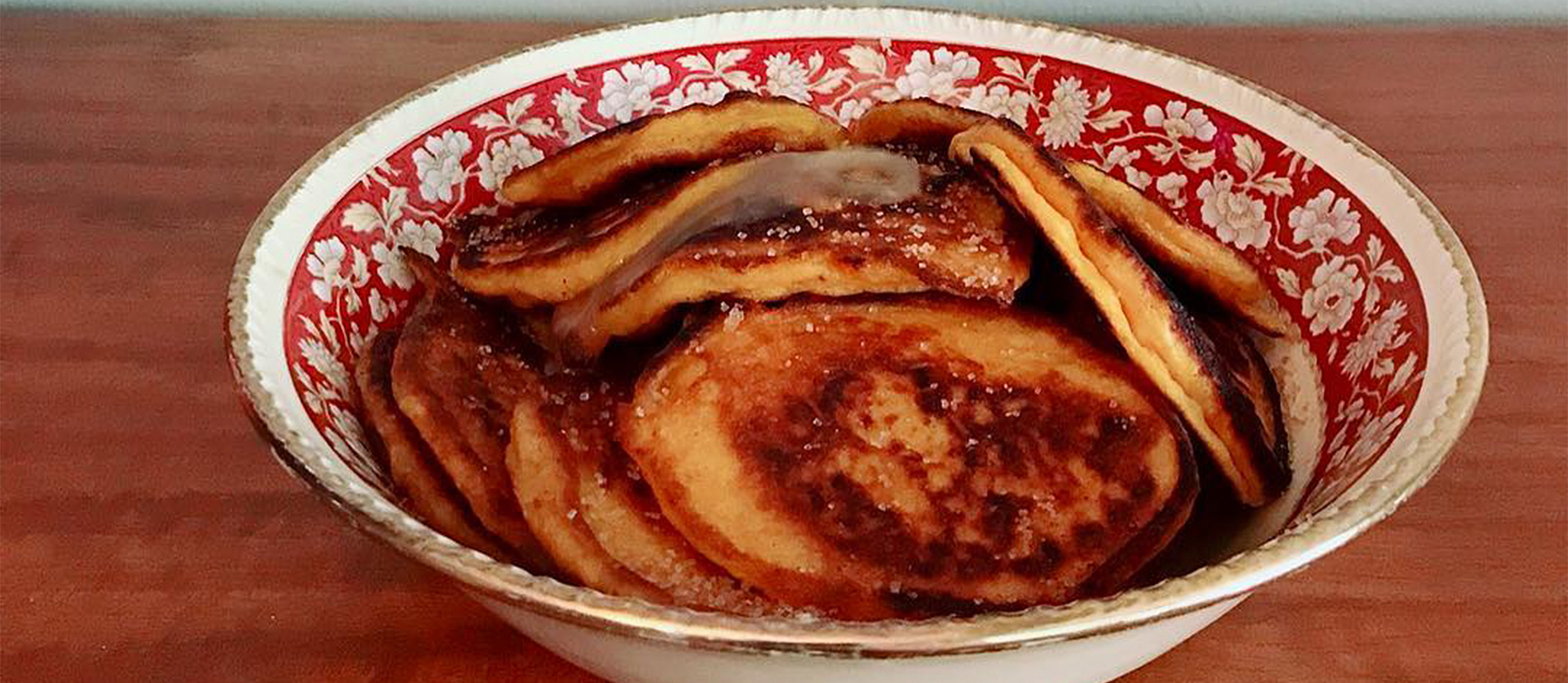
Pampoenkoekies are sweet pumpkin fritters made from mashed pumpkin, flour, eggs, and a raising agent, then pan-fried until golden. They have lightly crisp edges and a soft, moist, almost spongy center. The hot fritters are commonly covered with cinnamon sugar, soaked in a buttery caramel sauce, or served with both. The Afrikaans name translates literally as “pumpkin cakes,” although their texture and method place them closer to fritters or small pancakes. Pampoenkoekies are closely associated with South Africa, especially Afrikaner and Cape home food. Historical research into Cape food confirms that pumpkin became an established ingredient and that pampoenkoekies formed part of the developing Cape repertoire. Older menus could treat sweet pumpkin purée as a vegetable accompaniment while classifying baked pumpkin and pumpkin fritters as desserts, showing that pumpkin crossed freely between savory and sweet courses. The recognizable fritter most likely developed gradually from Cape methods of combining abundant squash with flour, eggs, fat, sugar, and warm spices rather than through one recorded act of invention. The fritters begin with cooked pumpkin. Peeled chunks can be boiled or steamed until completely tender, but they must be drained thoroughly afterward. Excess water produces a loose batter that spreads in the pan, absorbs more oil, and remains wet inside. Leaving the pumpkin in a sieve after boiling helps remove trapped moisture. Roasting is another effective method. It concentrates the pumpkin’s natural sweetness and produces a drier purée, reducing the amount of flour needed to hold the batter together. Whichever method is used, the flesh is mashed until smooth or left with a few small pieces for a slightly coarser texture. The mashed pumpkin is combined with plain wheat flour, baking powder, eggs, and salt. Sugar may be mixed directly into the batter, although some versions rely entirely on the final sauce or cinnamon coating for sweetness. Ground cinnamon and nutmeg are common additions. Vanilla, ginger, mixed spice, or a little citrus zest may also be included. Milk appears in many formulas to loosen the mixture, but it is not always necessary because the pumpkin and eggs may provide enough moisture. The exact flour quantity depends on the pumpkin. A watery purée requires more, while a dry roasted purée needs less. The batter should be thick and scoopable, holding a rounded shape on a spoon before dropping slowly. It should not resemble a rigid bread dough, but it should also not run across the pan like a thin crêpe batter. Overmixing can develop too much gluten and make the fritters heavy, so the flour is folded in only until no dry streaks remain. A wide frying pan is heated over medium heat with sunflower oil, butter, or a combination of the two. Butter contributes flavor and browning but can burn if used alone over excessive heat. Oil raises the effective frying temperature, while a small amount of butter provides a richer aroma. Spoonfuls of batter are dropped into the hot fat with enough space between them to expand. The baking powder releases gas as the batter heats, giving the fritters their soft, aerated interior. They are generally shaped as small rounds or thick, irregular discs rather than perfect spheres. The fritters usually need about two to three minutes on each side, although thickness and oil temperature determine the actual time. The exterior should become deep golden brown, while the center should be fully set and fluffy rather than wet. If the fat is too hot, the outside darkens before the middle sets. If it is too cool, the batter absorbs excess oil and becomes heavy. The first fritter can be broken open to check the center. A wet line of batter indicates that the heat should be lowered and the frying time extended. Once ready, the fritters are lifted from the pan and placed briefly on paper towels or a wire rack to remove surface oil. Butternut squash is a common substitute for standard orange pumpkin. Its flesh is generally dense, smooth, and sweet, producing a thick purée and a particularly soft interior. Depending on the variety, it may also require less draining and less added sugar. Canned pumpkin purée can be used where available, provided it contains no added spices or sweeteners. Savory adaptations omit the sugar and cinnamon and add grated mature cheddar, black pepper, chopped parsley, chives, thyme, or other fresh herbs. Onion, garlic, chili, or crumbled feta may also be included. These retain the pumpkin-fritter structure but move away from the defining sweet pampoenkoekies profile. Sweetcorn kernels can be folded into either the sweet or savory batter. They add small bursts of sweetness and a firmer bite against the soft pumpkin center. In a savory version, sweetcorn works particularly well with cheese, spring onion, chili, or fresh herbs. The simplest finish is cinnamon sugar. White granulated or caster sugar is mixed with finely ground cinnamon, and the hot fritters are tossed in it or dusted generously on both sides. The warmth melts a small amount of sugar against the oily surface, creating a thin, slightly crisp coating. A richer version uses caramel sauce. The original description of sugar, butter, water, and vanilla produces a clear or amber syrup if the sugar is heated correctly. Other established versions combine sugar with butter, cream, milk, golden syrup, vanilla, or a little cornstarch. These sauces are often pale, creamy, and buttery rather than deeply caramelized and dark. The hot sauce is poured over the fritters in a deep ceramic or enamel serving dish. Their porous crust absorbs some of the liquid while the remaining sauce pools beneath them. They can be served immediately for a contrast between crisp edges and warm sauce or left briefly so that they become softer and more thoroughly saturated. Cinnamon sugar and caramel sauce may also be combined. The sauce is poured over first, followed by a light scattering of cinnamon sugar. Adding too much dry sugar after soaking can make the surface excessively sweet and grainy, so the final coating is usually lighter when both are used. Pampoenkoekies occupy an unusual place at the table because they can function as either a dessert or a sweet side. Served after a meal, they pair naturally with black coffee or tea. Alongside roast chicken, beef, lamb, bobotie, or another deeply savory main course, their pumpkin sweetness and cinnamon provide contrast to meat, gravy, salt, and spice. They are especially associated with Sunday lunches, family gatherings, and colder-weather meals. They are best served warm and soon after frying. Unsauced leftovers can be refrigerated and reheated in an oven or air fryer, although the exterior will not be quite as crisp as when fresh. Fritters already soaked in sauce become softer during storage. Freezing is possible, but it can weaken their light texture and cause the pumpkin center to release moisture after thawing.
02 / MAIN DISH INGREDIENTS
Snack
not yet extracted
03 / RECIPE
There is no recipe in the saved data.
Record · 3027