01 / IDENTITY
- Category
- Flatbread
- Country
- Iran
- Region
- Tehran
ABOUT THE DISH
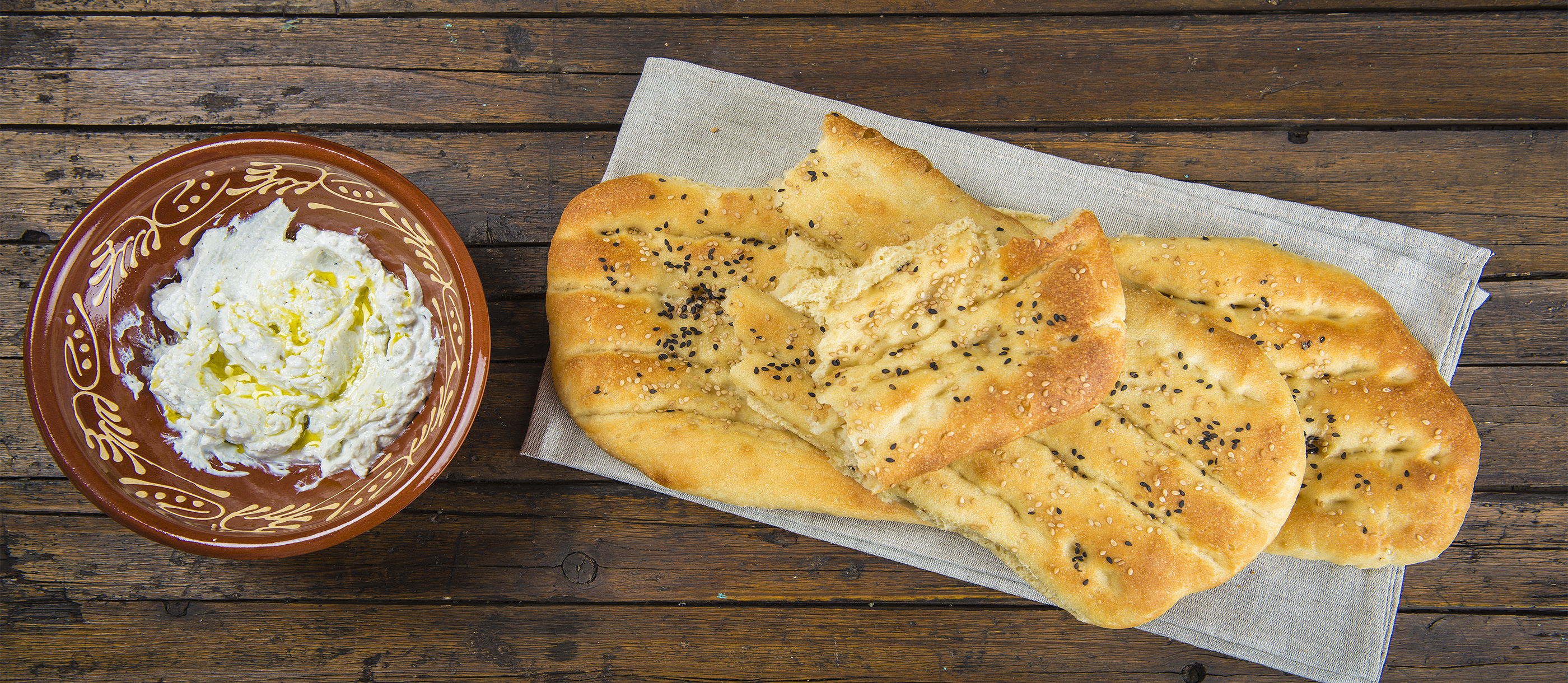
Nan-e barbari is a flatbread known for its thick, airy crumb and golden crust brushed with a special flour paste called roomal. Originating among the Hazara people who settled in Iran, this bread became especially associated with Tehran and other northern cities, where it is commonly baked fresh each morning and sold in bakeries to accompany breakfast or lunch. Its long, oval shape and characteristic ridged surface make it immediately recognizable on bakery shelves. The history of nan-e barbari reflects Iran’s rich baking culture, which includes many regional breads with distinct textures and preparation methods. The word “barbari” was used historically to describe the Hazara ethnic group, who brought their baking techniques to central Iran. Over time, this bread was embraced by the wider population and became one of the most widespread breads in Iranian cities. Recipes and shaping methods were refined in professional bakeries to achieve the signature crust that stays chewy and moist longer than many thinner flatbreads. Preparing nan-e barbari begins with mixing wheat flour, yeast, water, and salt into a smooth dough that is rested until doubled in size. The dough is then divided into portions and gently shaped by hand into long ovals. Before baking, each piece is brushed generously with roomal, a cooked paste of flour and water that keeps the surface soft while it expands and creates a glossy crust. The baker presses rows of deep ridges along the dough with fingers or the edge of the palm. Sometimes sesame or nigella seeds are sprinkled on top for added flavor. Baked on hot stones or a preheated oven floor, the bread emerges with a crisp base and a tender, chewy interior. One aspect of nan-e barbari is how its preparation has been adapted to modern bakeries. While some home cooks still bake it in gas ovens or on baking stones, many people prefer to buy it fresh from specialized bakeries that produce dozens of loaves each morning. These bakeries often have large gas-fired ovens with conveyor belts that simulate the effect of the hot stones once used in brick ovens. Nan-e barbari is usually eaten warm, torn by hand, and served with feta cheese, fresh herbs, walnuts, and sometimes clotted cream or jam for breakfast. In many Iranian households, it appears alongside stews and kebabs as well.
03 / RECIPE
A recipe for this dish has not been added yet.