02 / MAIN DISH INGREDIENTS
- Almonds
- Hazelnuts
- Eggs
- Sugar
- Wheat Flour
01 / ABOUT THE DISH
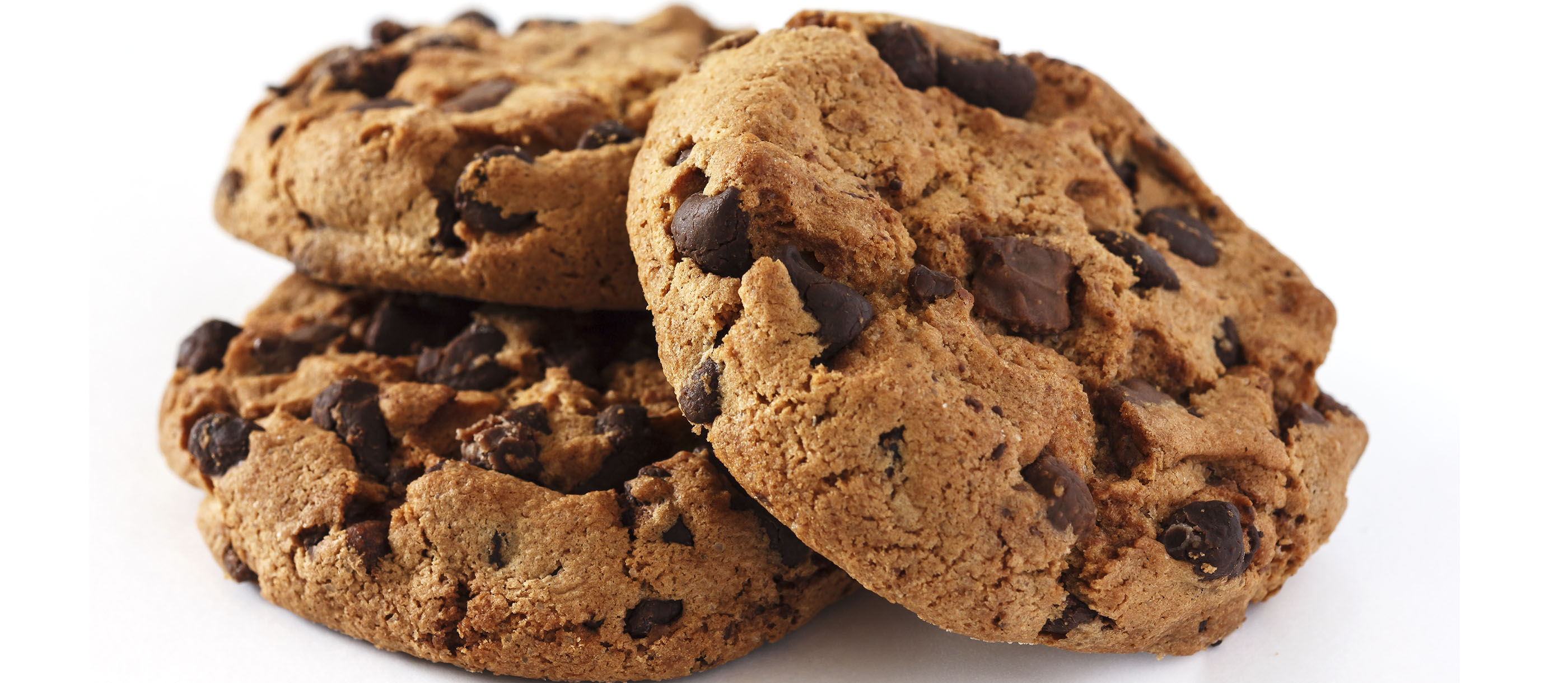
Macaron de Joyeuse is a cookie from the town of Joyeuse in Ardèche. Its origins date back to 1581, when macaroons made from almonds and hazelnuts were created for the wedding festivities of the Duke of Joyeuse, after which local confectioners began making similar pastries that gradually became part of the town’s identity. Production continued for centuries, and in 1867 pastry chef André Maurice Pellier perfected the recipe when he introduced a new oven that altered the baking process and established the final form of the macaron as it is known today. The method he defined remains the foundation of the version still produced in Joyeuse. Preparation involves a mixture of finely ground almonds and hazelnuts blended with sugar and egg whites, shaped into small domes and baked slowly at low heat to develop a crisp, lightly golden exterior and a tender, chewy center. Once cooled, the macaroons are boxed and can keep for several months without losing flavor or texture. Modern variations may add chocolate coating, praline, or citrus zest, but the authentic recipe relies only on the nut mixture, egg whites, and sugar. A distinctive feature of macaron de Joyeuse is the balance between almond and hazelnut and its dry, friable consistency rather than the soft or creamy texture of other types of macarons. The confection remains made by hand by the Charaix house in Joyeuse, which continues the artisanal process defined in the nineteenth century. It is eaten at room temperature as a dessert or sweet accompaniment to coffee or tea and pairs harmoniously with sweet white wines such as Muscat, nut-based liqueurs, or mild milk chocolate whose richness enhances the nutty aroma of the macaron.
02 / MAIN DISH INGREDIENTS
03 / RECIPE
There is no recipe in the saved data.
Record · 12360