02 / MAIN DISH INGREDIENTS
- rye flour
- Wheat Flour
- Fennel Seeds
- Coriander Seeds
- Cumin Seeds
- Anise
- Flax Seeds
- Sourdough Starter
- Salt
01 / ABOUT THE DISH
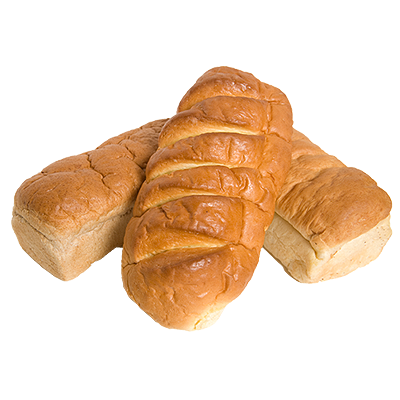
Originating exclusively from the Lesachtal, a high Alpine valley in the Austrian state of Carinthia, Lesachtaler brot is a dense, wood-fired sourdough loaf. Because the rugged topography of this region caused severe geographical isolation for centuries, the local population was forced to rely entirely on self-sufficiency for their daily sustenance. Residents cultivated resilient local grain varieties, built horizontal water mills along mountain streams to process the harvest, and developed an independent bread-making method that completely bypassed modern industrialization. The standard formulation dictates a ratio of roughly two-thirds rye flour to one-third wheat flour, combined with spring water, salt, and a spice blend generally consisting of caraway, coriander, fennel, and aniseed. Bakers rely on a natural, wild-yeast starter, letting the mixture ferment extensively over several hours before forming large, round masses. Baking takes place strictly in masonry ovens heated by locally sourced spruce or larch wood, resulting in a thick, dark exterior crust that protects the moist crumb. The complete process of making this bread, encompassing the agricultural cultivation of the grain, mechanical milling powered by water, and the specific artisanal baking technique, is listed on the UNESCO Intangible Cultural Heritage list. Individuals consume this heavy bread in private homes, taverns, and Alpine huts throughout Carinthia, usually slicing it thickly from the whole loaf. It serves as a robust base for regional agricultural products, often topped with cultured butter, aged Carinthian mountain cheese, and cured pork products such as Gailtaler Speck. These savory sandwiches are usually enjoyed with regional fermented apple cider, locally known as Most, or with malty dark lagers.
02 / MAIN DISH INGREDIENTS
03 / RECIPE
There is no recipe in the saved data.
Record · 12769