02 / MAIN DISH INGREDIENTS
- Wheat Flour
- Salt
01 / ABOUT THE DISH
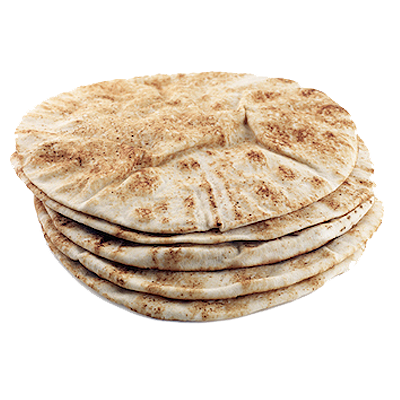
Khubz al-qlīṭ is a hard, dry flatbread from the Tunisian islands of Kerkennah, made from simple ingredients: flour, salt, and water, without yeast or oil. It is baked until completely dry and solid, allowing it to last for long periods without spoiling. The bread is deeply connected to the seafaring culture of the Kerkennah islands, where fishermen relied on durable foods that could endure days at sea under the heat and humidity of the Mediterranean. The word “qlīṭ” is believed to come from the French or Italian term “galette,” which refers to a flat, round bread or pastry, and over time it became part of the local dialect. The method of making it, however, is rooted in the resourceful practices of fishing families who needed sustenance that would not decay during long journeys. For generations, islanders baked khubz al-qlīṭ before the fishing season began, stacking the hard rounds in woven baskets or clay jars and storing them for weeks. The bread’s durability came from its low moisture and the absence of fermentation, which made it immune to mold. When fishermen went to sea, they would take several pieces with them, softening them in seawater, fish broth, or soup before eating. Its dense texture and subtle saltiness complemented the strong, savory flavors of preserved or freshly cooked fish. As the islands’ economy and daily life evolved, the bread remained part of their food identity, sometimes prepared for cultural events or by local bakers who kept the practice alive. The preparation is straightforward but demands patience. Wheat flour, often locally milled, is mixed with salt and just enough water to form a stiff dough. The dough is shaped into flat discs and pricked with a fork or knife to prevent swelling during baking. The loaves are then baked slowly in an oven or on a low, even fire until they become light brown and hard throughout, losing nearly all moisture. The finished bread is smooth, dry, and firm, able to be stored for months in cool conditions. When eaten, it is rarely consumed dry; instead, it is soaked briefly in broth, fish stock, or a simple tomato sauce to soften it slightly while preserving its firmness. Today, khubz al-qlīṭ is still associated with Kerkennah, occasionally made in small bakeries or at home during festivals or family gatherings. It is eaten alongside fish stews such as cousha or with soups rich in olive oil, tomatoes, and capers, where the bread absorbs flavor while keeping its shape. Some eat it with a drizzle of olive oil or with preserved fish paste known as masmouta, maintaining the link between the bread and the maritime life it once served.
02 / MAIN DISH INGREDIENTS
03 / RECIPE
There is no recipe in the saved data.
Record · 12183