02 / MAIN DISH INGREDIENTS
not yet extracted
01 / ABOUT THE DISH
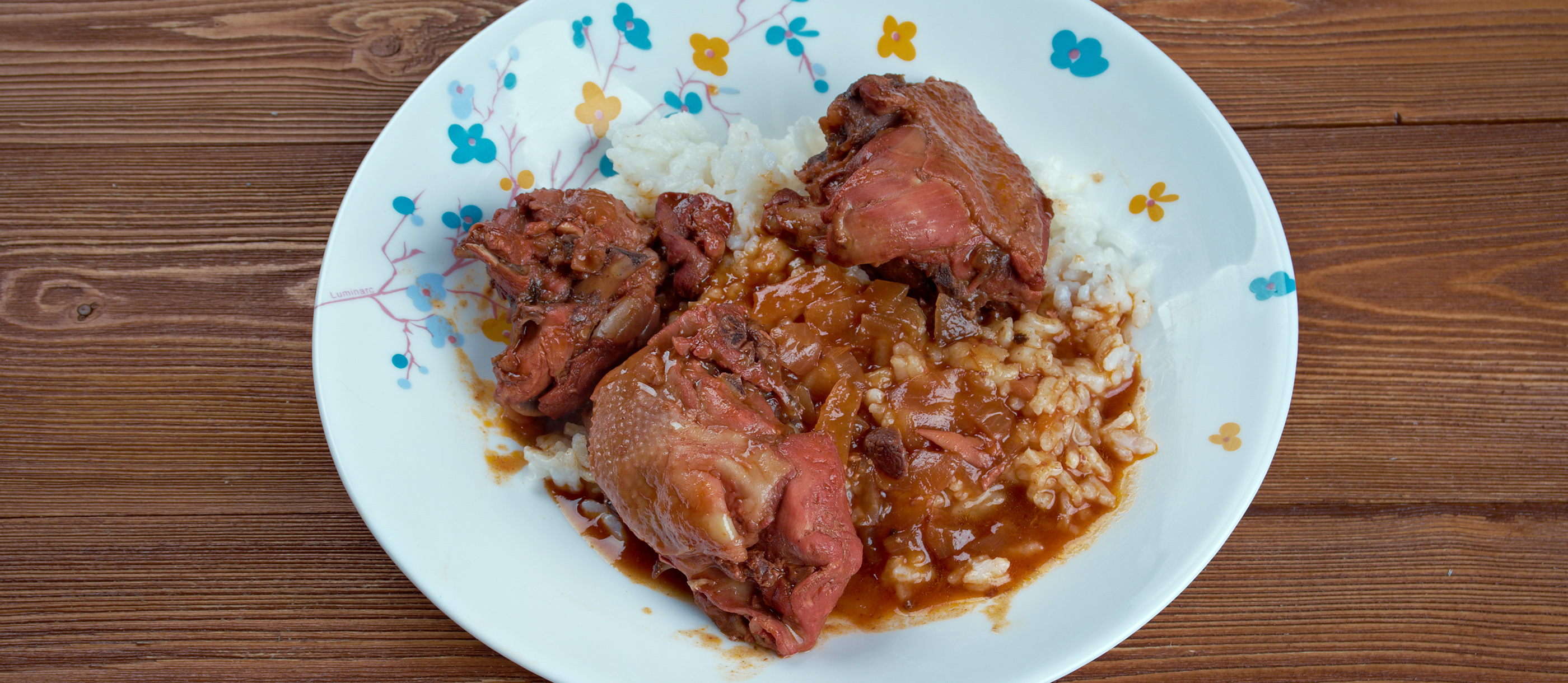
Khoresh is a Persian term describing a wide range of Iranian stews prepared by slowly simmering meat, vegetables, legumes, and aromatic spices into richly flavored dishes that are always served with rice. The word itself simply means “stew” in Persian, and it encompasses some of the most iconic meals of Iranian cuisine, including khoresh gheimeh with split peas and dried lime, khoresh fesenjan with ground walnuts and pomegranate molasses, and khoresh bademjan with eggplant and tomatoes. Each type of khoresh has a distinct character shaped by regional preferences, seasonal produce, and family recipes passed down over generations. The core technique behind khoresh involves layering flavor gradually. Onions are typically sautéed first, followed by meat (commonly lamb, beef, or poultry) which is browned to develop depth. Spices like turmeric, cinnamon, and black pepper are added early, while ingredients such as dried limes, fresh herbs, or tomato paste contribute their own nuances as the stew simmers. This slow cooking allows the sauce to thicken naturally and the meat to become tender without falling apart. Many khoresh recipes are finished with a sour component, like dried lime, lemon juice, or pomegranate, that balances the richness and gives the dish its distinctive taste. Khoresh is always paired with chelo, the carefully prepared Persian rice with separated grains, sometimes finished with saffron and accompanied by flatbreads and fresh herbs. The combination of fragrant stew and fluffy rice forms the heart of a typical Iranian meal. Whether the khoresh features vegetables like okra, squash, or eggplant, or rich combinations like fesenjan’s sweet-sour walnut sauce, the final dish is designed to be eaten communally, inviting diners to savor small bites with rice and side dishes. The concept of khoresh reflects Iran’s long history of regional cooking and culinary exchange. Each province has developed its own signature stews based on what grows locally and the influences of neighboring cultures. In Isfahan, you find the celebrated khoresh mast with lamb and yogurt. In Gilan, khoresh aloo esfahani uses prunes and lamb. While the basic approach remains consistent, the variety of vegetables, legumes, and flavorings has made khoresh a category with remarkable breadth.
02 / MAIN DISH INGREDIENTS
not yet extracted
03 / RECIPE
There is no recipe in the saved data.
Record · 2371