01 / IDENTITY
- Category
- Sweet Pastry
- Country
- France
- Region
- Lourmarin
ABOUT THE DISH
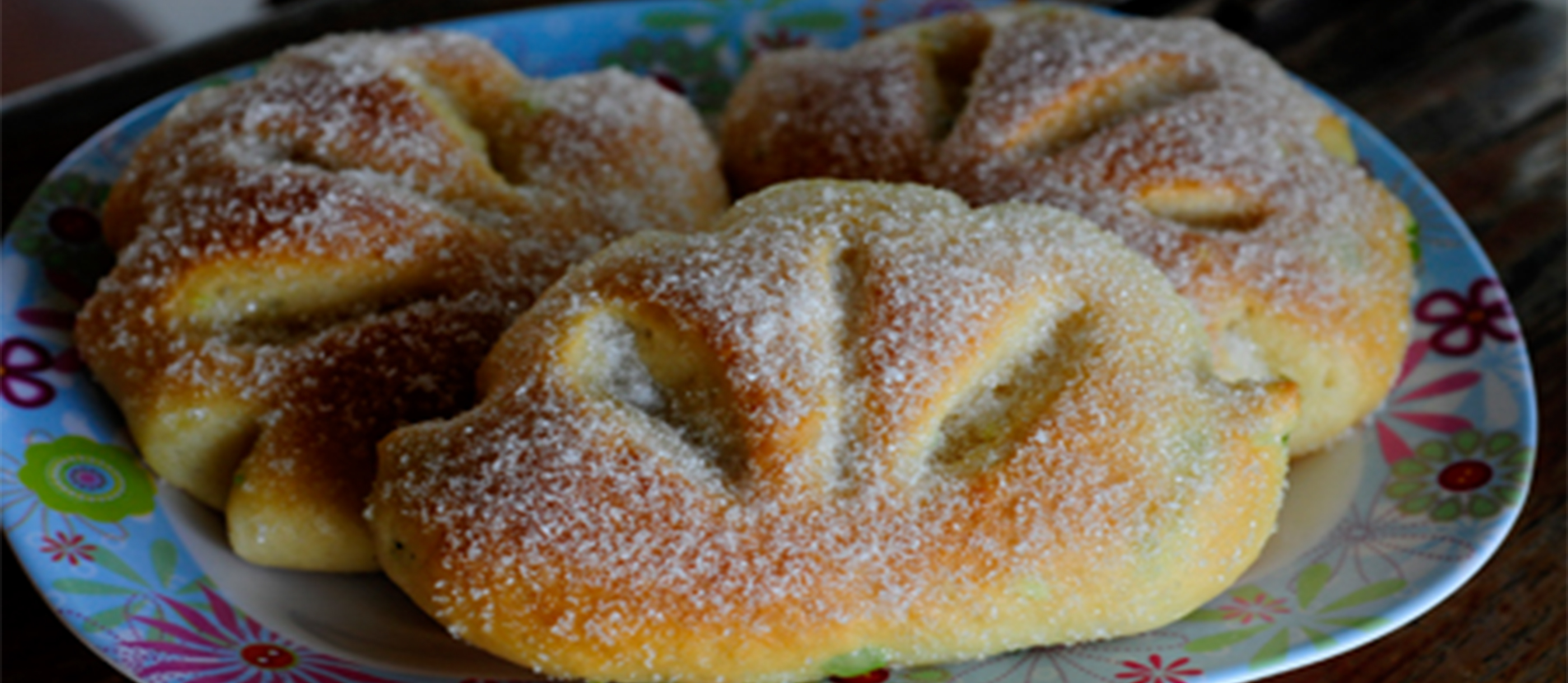
Gibassier is an olive oil-based pastry made with flour, sugar, eggs, butter, and olive oil from Lourmarin and Provence, celebrated for its delicate texture, distinctive shape, and aromatic profile of green aniseed, candied orange peel, and orange blossom water. Often described as a culinary cross between a rich brioche, a rustic flatbread, and a sweet galette, this distinctive viennoiserie is immediately recognizable by its artistic appearance, which is typically slashed and snipped before baking to resemble a leaf, a snowflake, or a fleur-de-lis. The pastry traces its deep historical roots to the rugged farming traditions of the Luberon mountains, with the picturesque village of Lourmarin widely claiming paternity over the authentic, generations-old recipe. Etymologically, the name is shrouded in local lore; some food historians believe it derives from the mountain peak Le Gibas that shapes the village's horizon, while others suggest it comes from the old French word gibacier, a flat bag used by hunters to carry game, which the pastry's pierced, oval shape purportedly mimics. Initially conceived as a sturdy, nourishing snack for local shepherds and hunters, the gibassier was gradually refined over the centuries as bakers incorporated precious regional ingredients like extra-virgin olive oil in place of butter, a fat that was historically scarce in the Mediterranean south. Outside its native region, the gibassier is often mistaken for another famous Provençal baked good, the pompe à l'huile, though the two are distinct culinary creations. While the pompe à l'huile is softer, bread-like, and strictly reserved as one of the celebrated thirteen desserts of a traditional Provençal Christmas, the authentic gibassier is notably drier with a slightly sandy or crunchy crust, making it a beloved everyday breakfast staple enjoyed year-round. The strategic use of olive oil not only lends the gibassier a subtle fruitiness and exceptional keeping qualities but also works in perfect synergy with the floral notes of orange blossom, softening its natural bitterness while enhancing the citrus aromas. While deeply rooted in French history, the gibassier remained relatively unknown in the English-speaking world until the early 2000s, when Michel Suas, founder of the San Francisco Baking Institute, popularized a slightly richer, butter-enhanced variation of the dough during the Coupe du Monde de la Boulangerie. Today, whether prepared in its historical, dairy-free olive oil form or adapted into a luxurious modern treat, the gibassier remains a remarkable testament to the Mediterranean art of living, traditionally served warm and dipped into coffee or honey-sweetened butter to perfectly capture the fragrant essence of southern France in every bite.
03 / RECIPE
A recipe for this dish has not been added yet.