02 / MAIN DISH INGREDIENTS
- Wheat Flour
- Eggs
- Sugar
- Lemon Zest
- Corn Starch
- Butter
- Salt
01 / ABOUT THE DISH
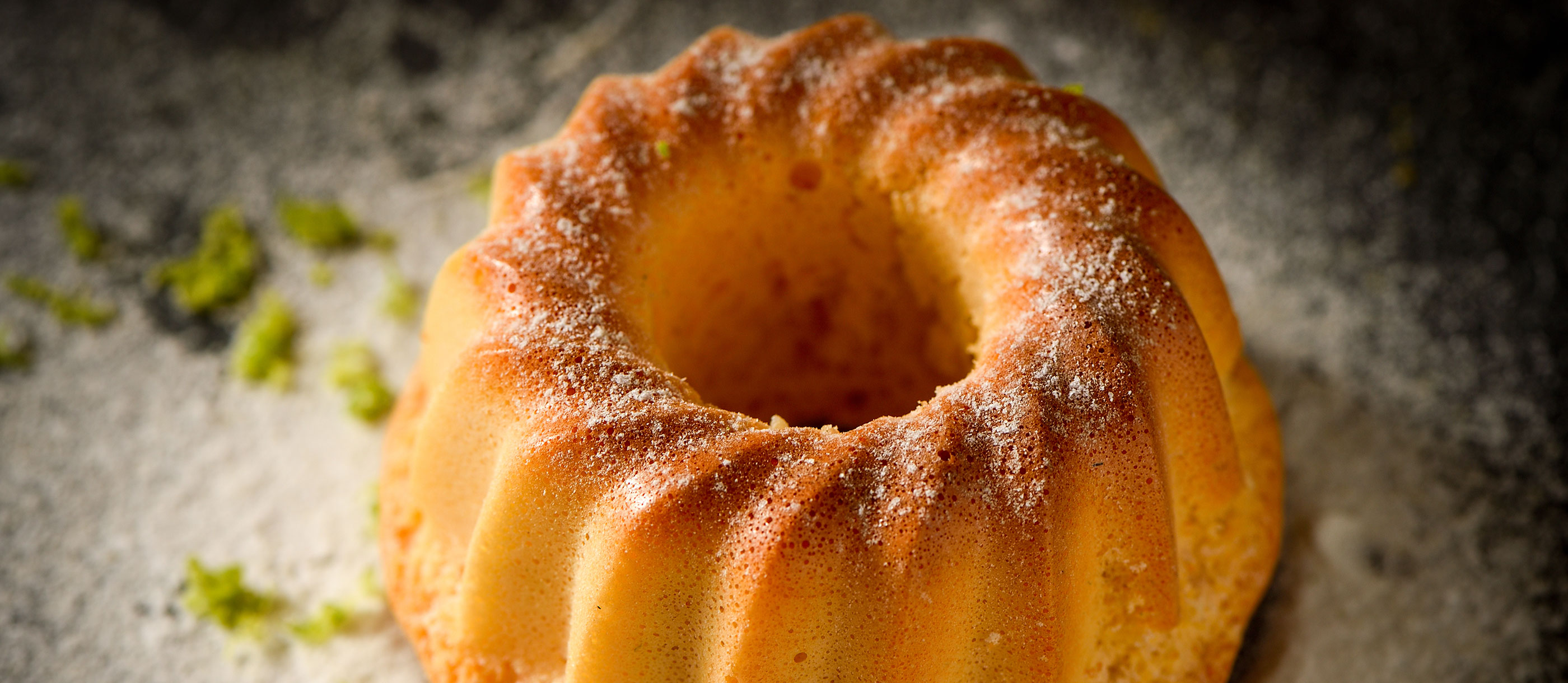
Gâteau de Savoie is a light, airy sponge cake from France that has been part of its pastry heritage for centuries. It was first created in the fourteenth century at the court of Amadeus VI, Count of Savoy, who requested an impressive dessert for a royal banquet in honour of Emperor Charles IV. The court chef developed a cake that was both delicate and rich, without heavy ingredients, relying instead on whisked eggs to achieve volume. The recipe quickly spread beyond noble tables, becoming a hallmark of refined baking and remaining a favourite in French pâtisserie ever since. The preparation relies on a careful balance of a few basic ingredients: eggs, sugar, flour, starch, and lemon zest or vanilla for aroma. The process begins with separating egg whites from yolks. The yolks are beaten with sugar until pale and creamy, while the whites are whipped into a firm, glossy meringue. The two mixtures are then gently folded together, preserving as much air as possible, before flour and starch are sifted in to maintain the cake’s light structure. The batter is poured into a high-sided mould, often fluted, and baked slowly at a moderate temperature until golden and slightly crisp on the outside, with a soft, airy crumb within. Once cooled, it is typically dusted with icing sugar. The result is a remarkably light cake, with a tender texture that depends entirely on the air incorporated during mixing rather than on chemical leavening. Variations sometimes include a splash of lemon juice, orange blossom water, or a hint of rum for added flavour, while some versions incorporate finely ground nuts or cocoa powder. Another variation is to bake it in a mould with intricate designs, which allows the cake to hold decorative shapes without icing. A notable feature of the Gâteau de Savoie is its longevity: because it contains little to no fat, it keeps well for several days and was once considered an ideal travel cake. Gâteau de Savoie is often served as a dessert or at afternoon tea, either plain or accompanied by whipped cream, fresh berries, or fruit compote. It also pairs well with pastry cream or chocolate sauce when served on special occasions. In its simplest form, it is enjoyed with coffee or tea, and it can be paired with dessert wines such as a light Muscat or sparkling wine for festive meals. Its delicate texture and versatility have secured its place as one of the most enduring cakes in French pastry, celebrated for both its simplicity and its elegance.
02 / MAIN DISH INGREDIENTS
03 / RECIPE
There is no recipe in the saved data.
Record · 12308