02 / MAIN DISH INGREDIENTS
not yet extracted
01 / ABOUT THE DISH
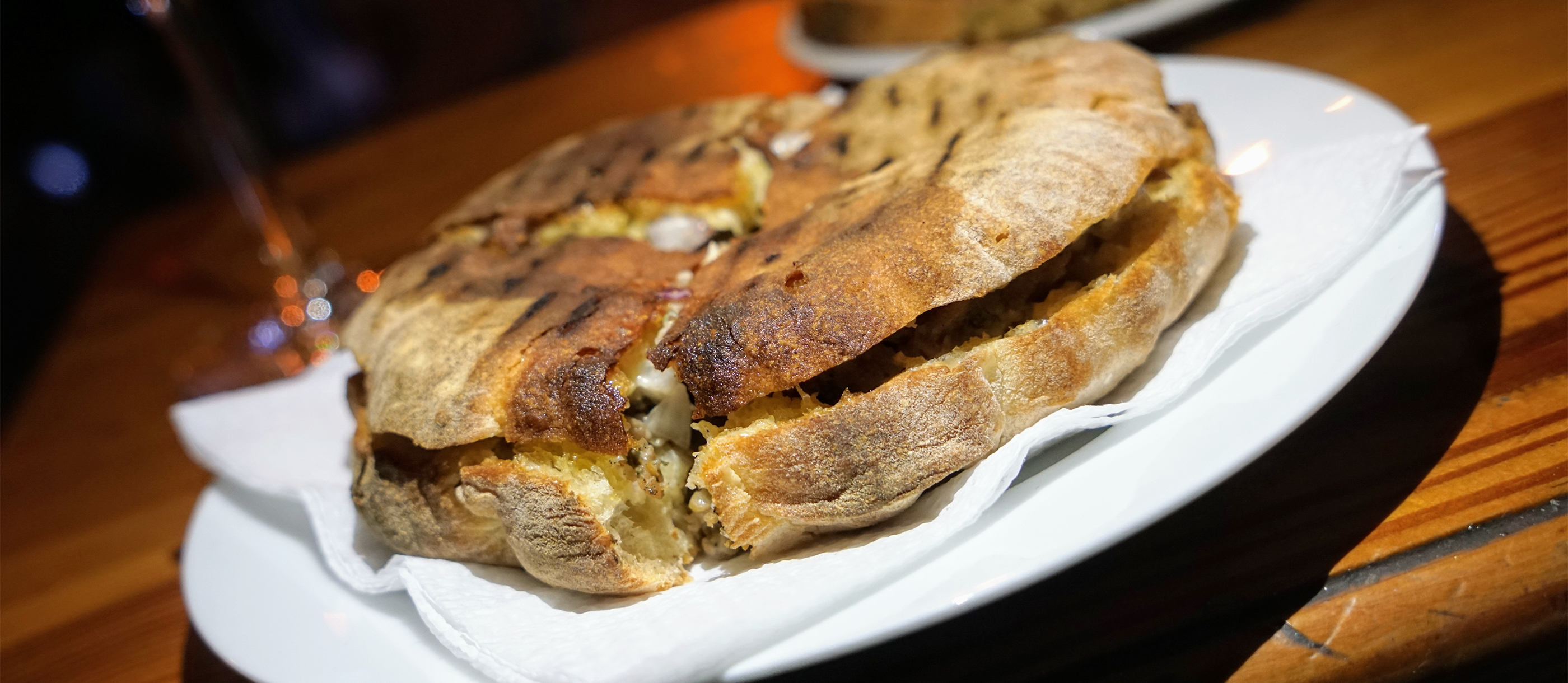
Ftira tar-Randan is a Lenten bread or fritter, particularly associated with the island of Gozo. It is made from a simple wheat-flour dough, flattened and fried in oil until golden. Depending on the version, it can be eaten plain, topped with anchovies or sardines, or served sweet with honey. The name literally means “Lenten ftira.” Randan is the Maltese word for Lent and comes from the Arabic word Ramadan, reflecting the strong Arabic foundation of the Maltese language. Ftira is also a word of Arabic origin and is used in Malta for several kinds of flatbread. The dish is closely connected with the Catholic fasting traditions of Lent. In the past, Lenten rules in Malta and Gozo were considerably stricter than they are today, with meat and, at certain times, other animal products avoided. This encouraged a distinctive group of seasonal foods based on bread, vegetables, pulses and fish. In Gozo, ftajjar tar-Randan were traditionally prepared from thin pieces of dough and fried in large pans of hot oil. They were especially associated with Sundays during Lent, when taverns and small shops sold freshly fried ftajjar outside their premises. Some were served plain, while others were topped or flavored with anchovies or sardines, both of which suited the meatless Lenten diet. The dough is simple, usually made with wheat flour, water, salt, and yeast, sometimes with olive oil. After kneading and resting, it is divided into portions and stretched or rolled fairly thin. The pieces are then fried until puffed and golden, developing a crisp exterior while remaining softer inside. A sweet version is finished with honey while still warm. The honey settles into the uneven, blistered surface of the fried dough, creating a mix of crisp edges, soft bread, and sweetness. Some modern versions include sesame seeds, but they are not essential. Not every ftira tar-Randan is sweet. Historical Gozitan versions could be savory, particularly when made with anchovies or sardines. This makes it more accurate to think of ftira tar-Randan as a family of Lenten fried breads rather than one fixed honey-covered pastry. Ftira tar-Randan also has a special connection with Holy Week in Gozo. A regional custom involved giving a Lenten ftira to people who took part in the ceremonial washing of the feet during the Holy Thursday liturgy, recalling Christ washing the feet of the Apostles. The custom became a distinctive food tradition that links Gozo's Lenten cooking to its religious observances. The bread was once more common than it is today. Older accounts describe Gozitan village taverns and wine shops frying the thin dough outside on Sunday mornings during Lent, with customers choosing different sizes and toppings. The smell of the dough frying in oil was part of the seasonal atmosphere. Carob syrup can be used as a sweetener, but it is not a traditional substitute for honey. Likewise, removing yeast produces a different kind of fried dough rather than a recognized separate form of ftira tar-Randan.
02 / MAIN DISH INGREDIENTS
not yet extracted
03 / RECIPE
There is no recipe in the saved data.
Record · 4415