01 / IDENTITY
- Category
- Dessert
- Country
- South Korea
- Region
- not specified
ABOUT THE DISH
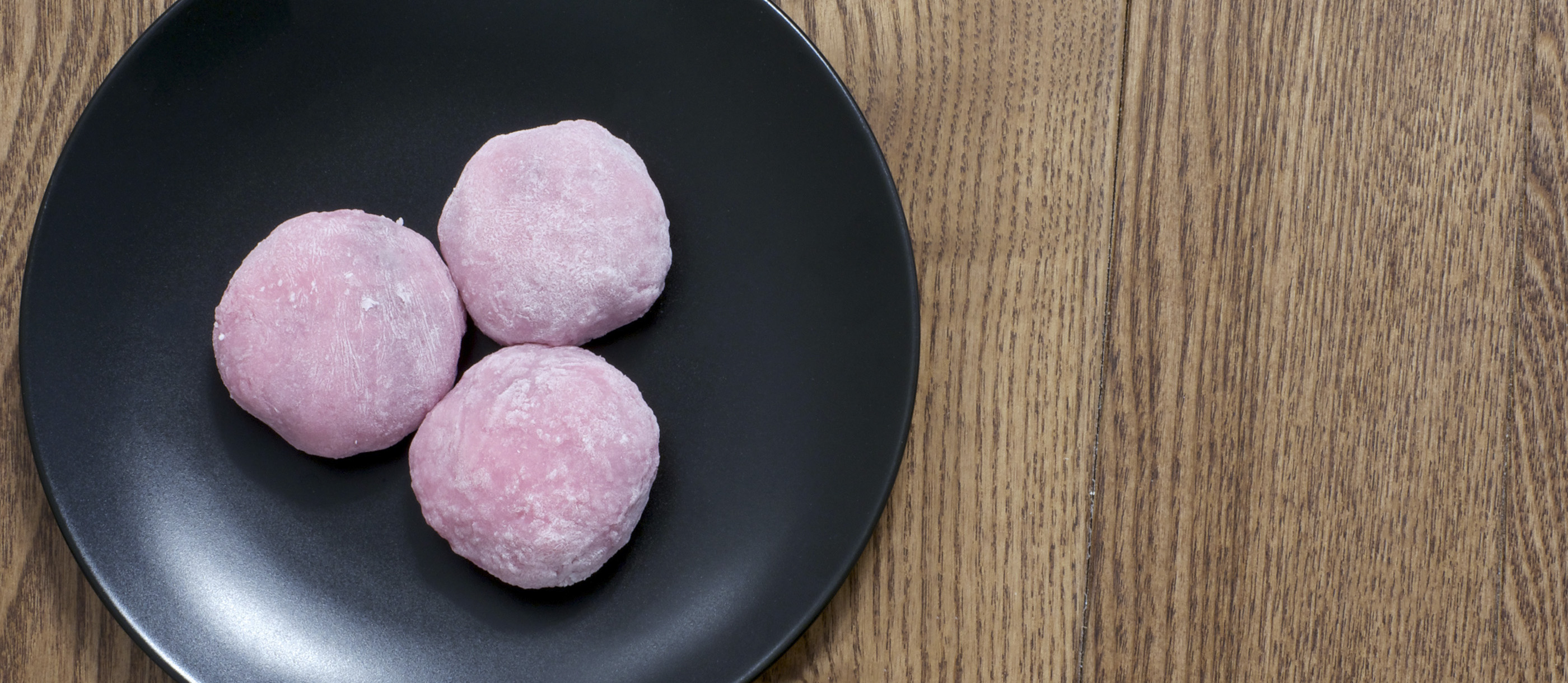
Chapssaltteok is a soft, highly elastic sweet cake crafted from pounded glutinous rice dough that encases a dense core of sweetened red bean paste. It serves as a powerful cultural symbol of academic success, primarily because the ultra-sticky dough easily adheres to surfaces, representing the act of "sticking" to a goal or to a desired university admission. Consequently, it is an incredibly popular gift given to high school students immediately before they sit for grueling winter entrance exams. The historical roots of this dessert date back to the early 20th century, and the cake was heavily influenced by the introduction of similar imported sweets during colonial periods, which eventually merged seamlessly with domestic rice farming techniques to form a distinct local identity. In the past, during freezing winter nights, street vendors roamed residential neighborhoods, carrying heavy wooden boxes and loudly shouting the name of the sweet they were selling as late-night snacks for studying youths and families. The outer shell requires mixing fine glutinous rice flour with water, sugar, and a pinch of salt. This liquid slurry undergoes intense steaming or rapid heating until it transforms into a thick, translucent mass. To achieve the required bouncy texture, the hot dough is repeatedly pounded with a heavy wooden mallet or folded aggressively, aligning the starches to create immense stretch. The filling is made by boiling red azuki beans until soft, mashing them with a large amount of sugar, and reducing the mixture over a stove to evaporate excess moisture. Small spheres of this dense bean jam are entirely enveloped by the hot, stretched dough. To prevent the incredibly sticky spheres from permanently fusing to hands and plates, the finished balls are aggressively rolled in fine white cornstarch, potato starch, or roasted yellow soybean powder. Beyond the baseline white exterior and dark bean interior, there are a vast number of different variations. Strawberry chapssaltteok wraps the sticky dough entirely around a whole, fresh strawberry resting on a thin layer of red bean paste, creating a sudden burst of tart fruit juice when bitten. Other variations mix bitter green tea powder or earthy boiled mugwort directly into the raw dough, turning the exterior a deep green. The fillings frequently incorporate crushed walnuts, pine nuts, or roasted sesame seeds to introduce a crunchy contrast to the smooth paste, while modern dessert shops occasionally swap the red beans entirely for rich cream cheese, chocolate ganache, or sweet potato puree. Individuals consume the chewy treats entirely by hand at room temperature, frequently purchasing them tightly packaged in decorative cardboard boxes or individually wrapped in clear plastic to retain maximum moisture. Because the thick dough poses a choking hazard if swallowed whole, small, deliberate bites are required, almost always chased with hot, bitter green tea or roasted barley tea to effortlessly wash away the lingering sweetness. Because it is very similar to the Japanese mochi (meaning rice cake in Japanese), some people also refer to chapssaltteok by that name.
03 / RECIPE
A recipe for this dish has not been added yet.