02 / MAIN DISH INGREDIENTS
- School Shark
- Garlic
- Oregano
- Cumin
- Pimentón
- Vinegar
- Olive Oil
- Vegetable Oil
- Salt
01 / ABOUT THE DISH
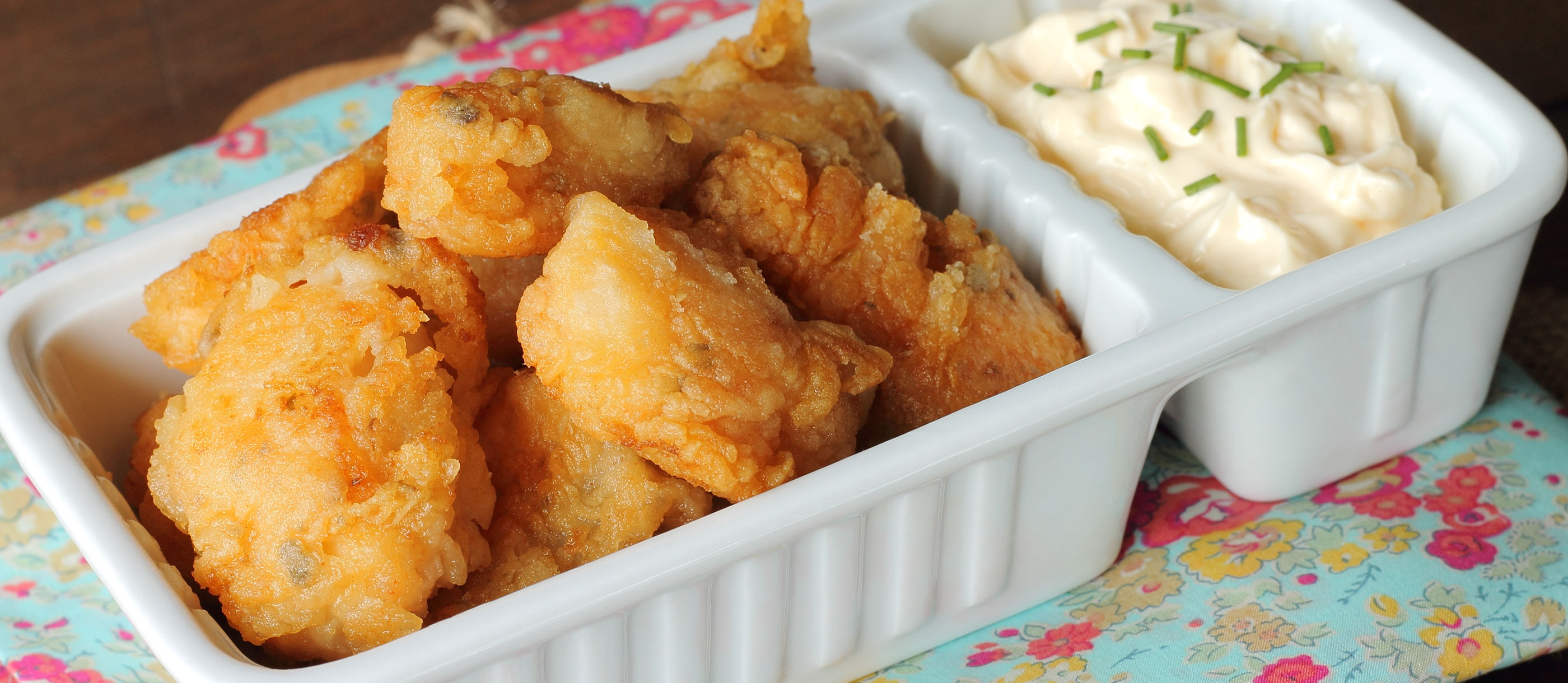
Cazón en adobo is a fried fish dish, strongly linked with Cádiz and also common across coastal Andalucía, made with pieces of cazón, a type of small shark often translated as dogfish, that are marinated in vinegar, garlic, paprika, cumin, oregano, salt, and sometimes bay leaf before being floured and fried. In Cádiz, it is also widely known as bienmesabe, a name used in local bars and freidurías for the same style of marinated fried fish. Its place in Andalusian food makes sense when seen through the region’s fishing ports, vinegar production, use of spices, and long-established frying culture. Cádiz, San Fernando, El Puerto de Santa María, Sanlúcar, and nearby coastal towns developed many ways to handle fish that were affordable, readily available, and suitable for quick service in bars and fish fry shops. Adobo was useful because it seasoned the fish deeply, helped firm the flesh, and softened the stronger smell that shark species can have if not handled properly. The typical recipe begins by cutting cleaned cazón into bite-sized cubes or thick pieces, with skin and tough parts removed. A marinade is made by crushing garlic with salt, then mixing it with oregano, cumin, paprika, vinegar, and water; sherry vinegar is often used because it naturally comes from the Cádiz area, though white wine vinegar also appears in many home recipes. The fish is covered with this mixture and left to rest for several hours, often from 6 hours to overnight, depending on the desired strength. After marinating, the pieces are drained well so the coating does not turn heavy, then passed through flour, commonly wheat flour or a frying flour used for fish. Some cooks use chickpea flour or mix it with wheat flour for a drier, crisper finish. The fish is fried in hot oil, usually olive oil or a neutral frying oil, until the outside turns golden and the inside stays moist. A good cazón en adobo should not be soggy, pale, or overly floury; the coating should be light enough to show that the fish is the main ingredient, while the marinade should be clear in flavor without becoming harsh. Because cazón has firm, boneless flesh when cut into cubes, it is easy to serve in small portions and practical to eat with toothpicks, which helps explain its strong presence in bars. It is usually served hot, often in paper cones, small plates, or shared raciones, sometimes with lemon on the side, though many people eat it without lemon so the marinade stays in focus. Cazón en adobo is eaten in freidurías, tapas bars, seafood restaurants, beach chiringuitos, markets, fairs, and casual family meals, especially in Cádiz province and other parts of Andalucía. It works well as a tapa before lunch, as part of a mixed fried-fish plate, or as a shared dish with bread. Suitable pairings include cold beer, fino, manzanilla, dry white wine, vermouth, sparkling water, or a light non-sweet lemonade. On the plate, it pairs well with tomato salad, roasted peppers, olives, patatas aliñadas, gazpacho, salmorejo, fried potatoes, ensaladilla rusa, boquerones, calamares, puntillitas, and crusty bread.
02 / MAIN DISH INGREDIENTS
03 / RECIPE
There is no recipe in the saved data.
Record ·