02 / MAIN DISH INGREDIENTS
- Wheat Flour
- Lard
- Butter
- Brown Sugar
- Eggs
- Milk
- Cinnamon
- Caraway Seeds
- Salt
01 / ABOUT THE DISH
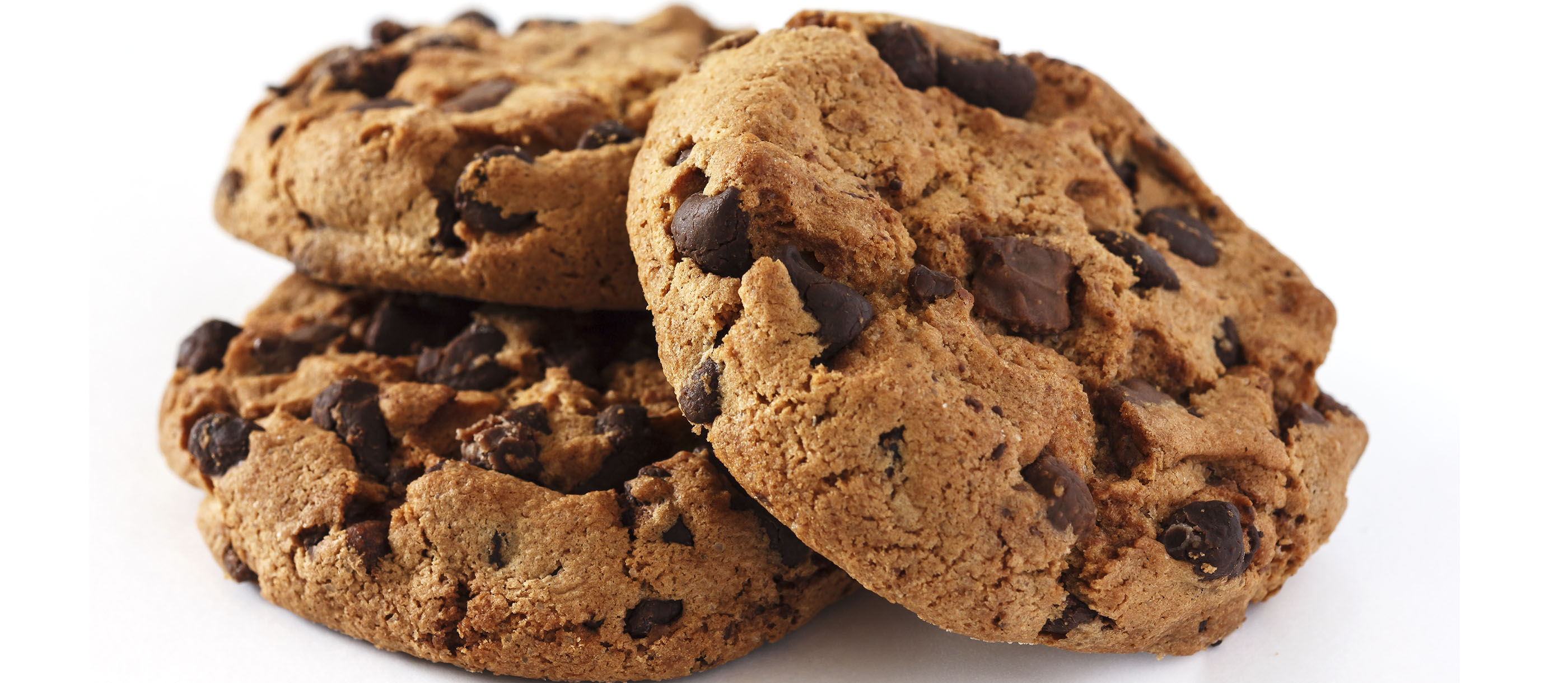
Cattern cake is a subtly spiced, caraway-scented English cookie intricately tied to the feast of Saint Catherine of Alexandria on November 25th, historically serving as the centerpiece for the riotous, centuries-old celebrations held by English lacemakers and spinners to honor their patron saint. A cattern cake is an unapologetically rustic, historical bake that sits somewhere between a dense, buttery biscuit and a soft, heavily spiced scone. Deeply intertwined with the lacemaking cottage industries of Bedfordshire, Buckinghamshire, and Northamptonshire, these small cookies are inextricably bound to "Cattern's Day," an ancient mid-autumn holiday when the grueling, eye-straining labor of lacemaking was entirely suspended. Instead, the female workers engaged in a full day of feasting, drinking "hot pot" (a potent mix of warm rum and beer), and consuming massive quantities of these specific cookies. The architecture of the dough is a direct reflection of historical English baking, predating the widespread availability of chemical leavening and refined white sugar. It relies on a sturdy base of plain wheat flour aggressively rubbed with cold butter or lard to create a short, crumbly texture. The dough is sweetened with brown sugar and heavily fortified with a warm, slightly bitter spice profile that feels profoundly autumnal: a generous dose of ground cinnamon and a heavy scattering of whole caraway seeds, which provide a distinct, earthy crunch that cuts through the richness of the butter. A single egg and a small splash of milk bind the mixture into a stiff paste, which is then rolled into thin strips and tightly coiled like a snail shell or a spiral before baking. The spiral shape is entirely deliberate and deeply symbolic; it is designed to mimic the "Catherine Wheel," the brutal, spiked torture device upon which the saint was supposedly martyred in the 4th century. Baked until the edges turn a sharp, golden brown and the interior remains soft and slightly chewy, these spiral cakes were traditionally consumed piping hot, straight from the oven, offering a dense, calorie-rich comfort against the freezing damp of late November in the English Midlands.
02 / MAIN DISH INGREDIENTS
03 / RECIPE
There is no recipe in the saved data.
Record · 12878