01 / IDENTITY
- Category
- Vegetable Soup
- Country
- Iran
- Region
- not specified
ABOUT THE DISH
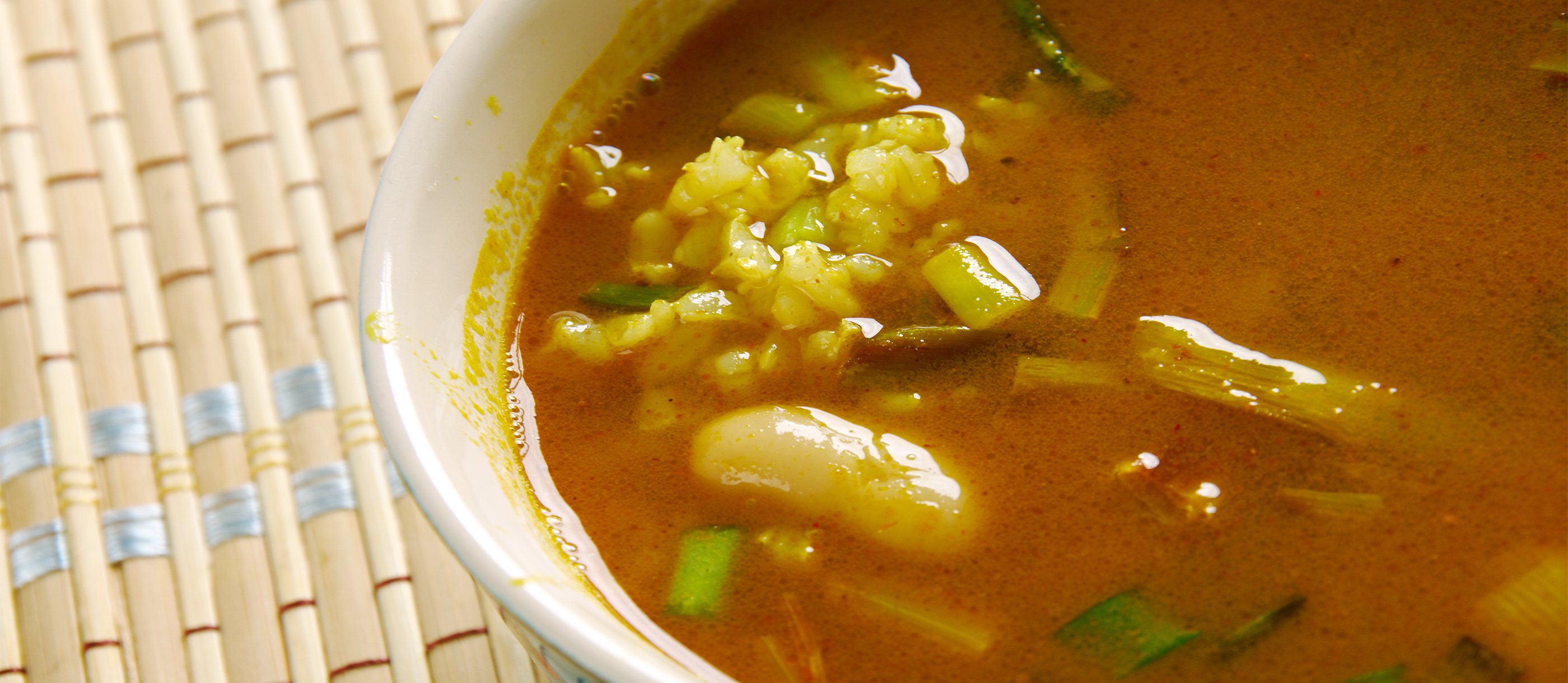
Ash-e jo is a barley-based soup from Iran, where it is widely prepared as a nourishing, slow-cooked meal often shared among families and neighbors. The name comes from the Persian word ash , which refers to thick soups or stews, and jo , meaning barley. The history of ash-e jo is closely tied to Iran’s agricultural heritage. Barley has been cultivated in the Iranian plateau for thousands of years, valued both as animal fodder and a staple grain in human diets. Recipes for barley soups appear in Persian culinary records that date back centuries, where they were recommended for their filling and restorative qualities. Over time, ash-e jo developed as a distinct dish, incorporating vegetables, herbs, legumes, and occasionally meat, making it a versatile preparation that could be adapted to seasonal produce and household means. Preparation begins by soaking barley to soften the grains. In many households, dried legumes such as lentils and beans are also soaked in advance to shorten cooking time. The base of the soup is built by gently frying onions, turmeric, and sometimes garlic in oil until aromatic. Chopped carrots, celery, and sometimes tomatoes are added for sweetness and depth. Water or meat broth is poured over the mixture, and the drained barley and legumes are stirred in. The pot simmers over low heat for several hours, allowing the barley to swell and release starch, which gives the soup a naturally thick consistency. Toward the end of cooking, generous amounts of chopped herbs, most often parsley, cilantro, dill, and spinach, are mixed in to brighten the flavor and add a green tint. Ash-e jo is typically seasoned with salt, black pepper, and occasionally a splash of verjuice or lemon juice to balance the richness. When served, the soup is ladled into bowls and often garnished with kashk, a tangy fermented whey sauce that is drizzled over the surface. Fried onions and dried mint in hot oil are also common toppings that bring aromatic contrast to the dish. While some variations include small pieces of lamb or beef, vegetarian versions are equally popular and widely consumed. Ash-e jo is most commonly eaten as a hearty lunch or dinner, particularly during colder months when warming foods are favored. It is served both at home and in small eateries specializing in ash, where pots of different varieties simmer side by side. In Iran, sharing ash-e jo is a gesture of hospitality, and it is often prepared in large quantities to offer to guests, neighbors, or during religious commemorations.
03 / RECIPE
A recipe for this dish has not been added yet.