01 / IDENTITY
- Category
- Noodle Dish
- Country
- China
- Region
- Sichuan
ABOUT THE DISH
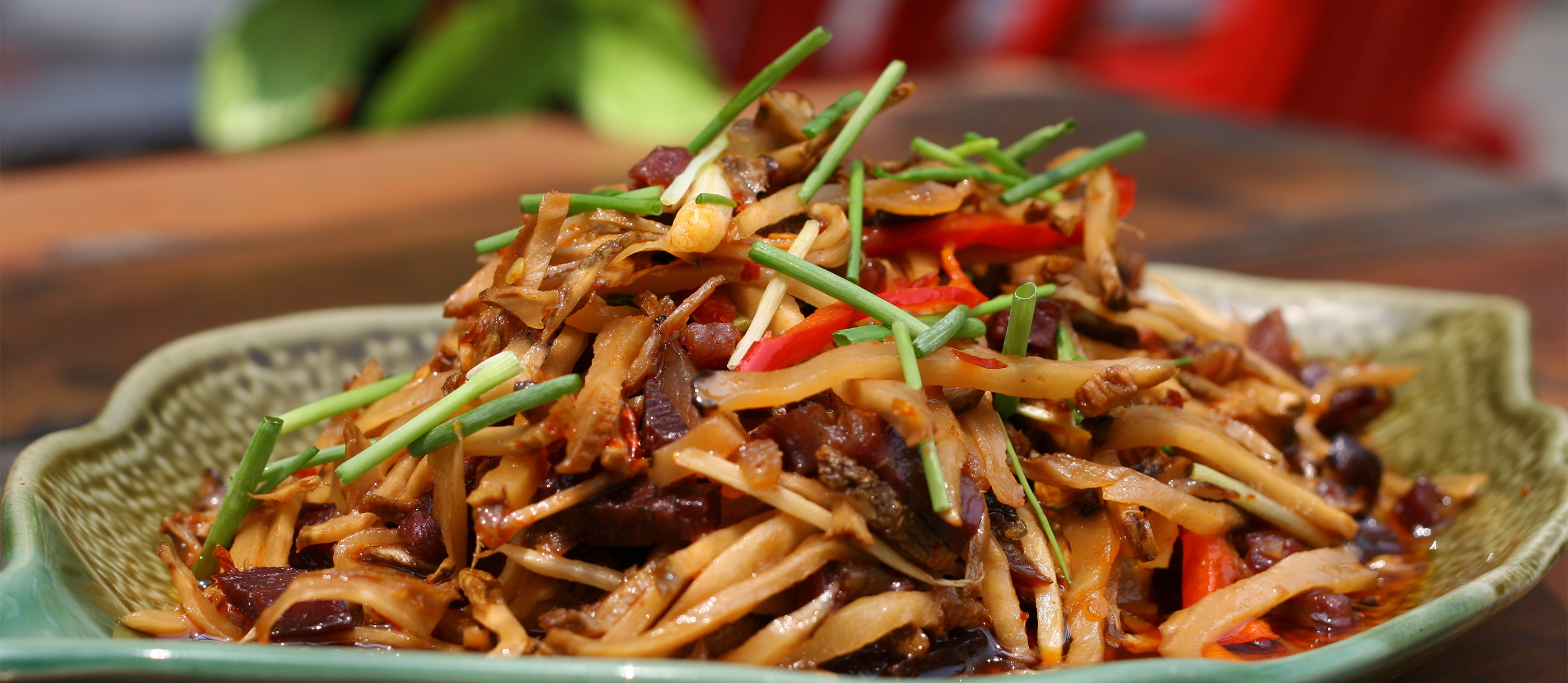
Mǎyǐ shàngshù is a Sichuan noodle dish known for its spicy, savory flavor and unique appearance, whose name translates to “ants climbing a tree.” Despite the vivid name, it contains no insects; instead, the dish features minced meat clinging to glass noodles, resembling small specks on branches. It originates from Sichuan province in southwestern China, where bean-based sauces, chili, and fermented seasonings form the foundation of much of the local cuisine. It developed as a humble home-cooked meal, created from simple, accessible ingredients: vermicelli noodles made from mung beans and small amounts of minced pork or beef. Because meat was scarce and precious in rural households, cooks learned to stretch its flavor by finely chopping and stir-frying it with seasonings to coat the noodles. Over time, the dish moved from family kitchens to restaurant menus, appreciated not for extravagance but for the way it transforms basic elements into a deeply flavored whole. It represents the resourcefulness and precision found throughout Sichuan cuisine, where layering condiments and aromatics creates depth far beyond the simplicity of the ingredients. Preparation begins with soaking the dried glass noodles until soft and pliable. Minced meat is fried in a hot wok with oil until fragrant, then mixed with doubanjiang, the Sichuan chili bean paste that provides the dish’s defining color and flavor. Aromatics such as garlic, ginger, scallion, and sometimes fermented black beans are added, along with soy sauce, rice wine, and stock. Once the sauce reaches a rich consistency, the softened noodles are added directly to the wok, where they absorb the liquid and take on a reddish hue. The result is a glossy tangle of noodles evenly coated with minced meat and sauce, the flavors concentrated and slightly smoky from the fried bean paste. A touch of sugar balances the salt and spice, while a small drizzle of sesame oil or vinegar may be added before serving. It is eaten hot, usually as part of a family meal or in small local restaurants specializing in Sichuan stir-fries and noodles. It can stand alone as a light meal or accompany rice and side dishes such as cold cucumber salad or stir-fried greens that temper the chili heat. In homes, it is often prepared for casual lunches or dinners, while in restaurants it appears as one of the essential items in the repertoire of Sichuan-style small plates.
03 / RECIPE
A recipe for this dish has not been added yet.